
Aluminium wheels are a popular choice among car owners for their lightweight design, durability, and sleek appearance. However, they are constantly exposed to brake dust, road grime, salt, and environmental contaminants that can dull their finish and even cause corrosion over time. Keeping them clean isn’t just about aesthetics—it’s also about preserving their structural integrity and resale value. The right cleaning approach ensures longevity, prevents damage, and maintains that showroom shine.
Not all cleaning methods are created equal. Some common household cleaners or abrasive tools can scratch or etch the surface, leading to premature wear. This guide outlines the most effective, safe, and practical ways to clean aluminium wheels, backed by professional insights and real-world testing.
Understanding Aluminium Wheel Finishes
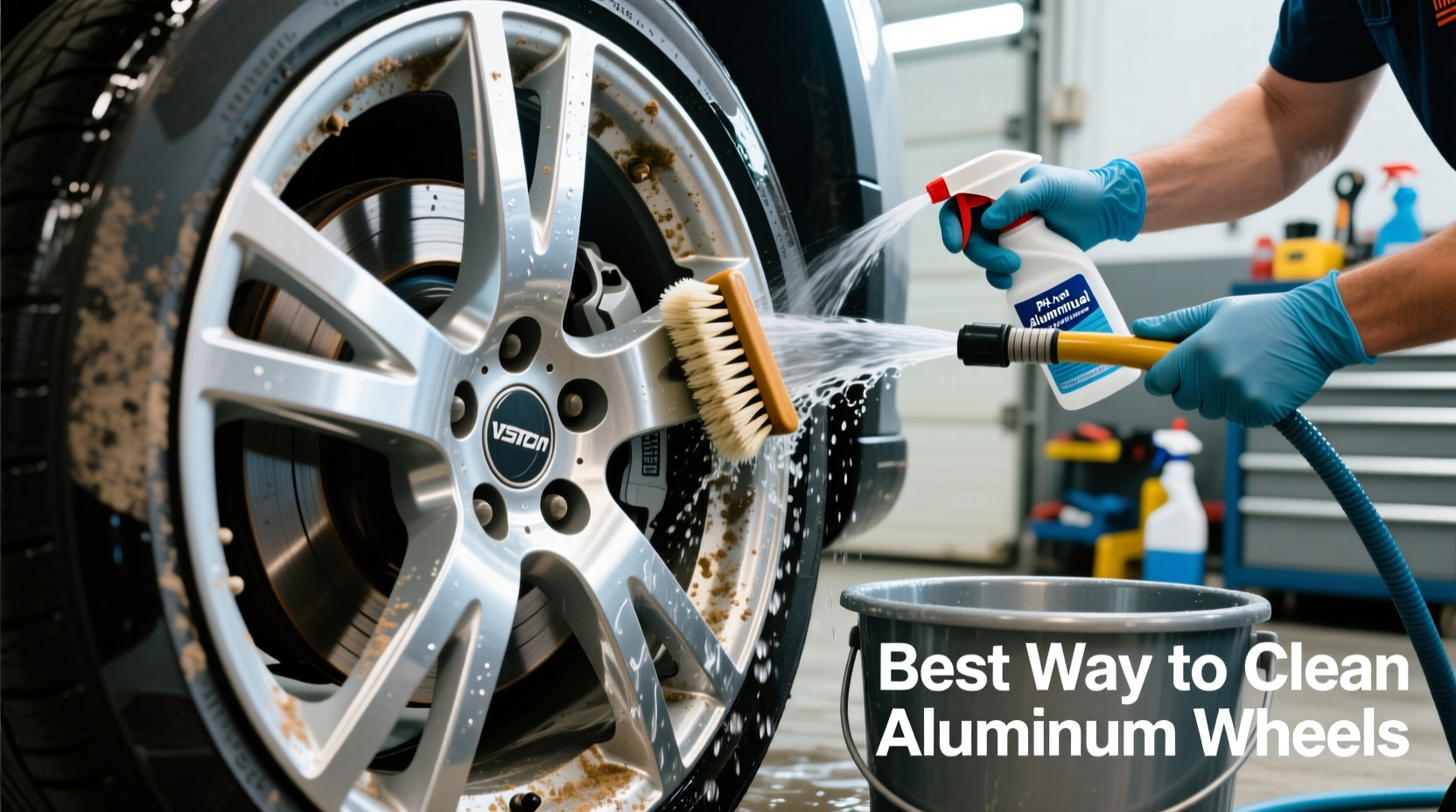
Before diving into cleaning techniques, it's essential to recognize that not all aluminium wheels are the same. They come in various finishes—polished, brushed, painted, clear-coated, or anodized—each requiring specific care. Using the wrong product on a polished wheel, for example, may cause micro-scratches, while harsh acids can strip protective coatings.
- Polished aluminium: Highly reflective but prone to oxidation; requires non-abrasive polish and sealants.
- Painted or coated: Most common; protected by a clear layer that resists corrosion but can degrade under strong chemicals.
- Anodized: Chemically treated for added hardness and resistance; sensitive to pH extremes.
Cleaning effectiveness depends heavily on matching the method to the finish. Always check your vehicle manufacturer’s recommendations or consult a professional if unsure.
Step-by-Step Guide to Cleaning Aluminium Wheels
A thorough cleaning process removes built-up contaminants without damaging the wheel surface. Follow this detailed sequence for optimal results:
- Cool down the wheels. Never clean hot wheels straight after driving. Heat causes cleaners to evaporate quickly and can lead to spotting or residue buildup.
- Rinse thoroughly. Use a hose or pressure washer (on low setting) to remove loose dirt, brake dust, and debris. Focus on the backside of the wheel where brake dust accumulates most.
- Apply a pH-balanced wheel cleaner. Spray a dedicated aluminium-safe wheel cleaner evenly across the surface. Avoid acid-based products unless specifically labeled for use on aluminium.
- Agitate gently. Use soft-bristle brushes (nylon or microfiber) to work the cleaner into spokes and hard-to-reach areas. Never use steel wool or wire brushes.
- Dwell time. Let the cleaner sit for 2–5 minutes as directed. Do not allow it to dry on the surface.
- Rinse completely. Flush off all cleaner and loosened grime with clean water. Ensure no chemical residue remains.
- Dry with a microfiber towel. Prevent water spots by drying immediately. Air drying can leave mineral deposits, especially in hard water areas.
- Apply a protective coating (optional). For enhanced shine and protection, apply a silica-based sealant or wax designed for wheels.
This routine should be performed every two to four weeks, depending on driving conditions. Urban drivers facing heavy traffic may need more frequent cleaning due to increased brake dust exposure.
Do’s and Don’ts: Best Practices Table
| Do’s | Don’ts |
|---|---|
| Use pH-neutral or aluminium-specific cleaners | Use household bleach, oven cleaner, or acidic bathroom tiles cleaners |
| Wash wheels regularly to prevent buildup | Allow brake dust and road salt to remain for extended periods |
| Use separate microfiber cloths and brushes for wheels vs. paint | Cross-contaminate cleaning tools between wheels and bodywork |
| Rinse thoroughly after applying any chemical | Let cleaning agents dry on the surface |
| Dry wheels after washing to prevent water spots | Leave wheels wet, especially in direct sunlight |
Expert Insight on Long-Term Wheel Care
Maintaining aluminium wheels goes beyond periodic cleaning. Industry professionals emphasize proactive maintenance to extend lifespan and reduce repair costs.
“Many customers bring in wheels with pitting and staining that could have been avoided with consistent, gentle cleaning. The key is using the right chemistry—not brute force.” — Marcus Tran, Automotive Detailing Specialist with 15 years of experience
Tran notes that modern brake pads generate fine metallic dust that bonds strongly to wheel surfaces. Over time, this creates a corrosive layer that eats through protective coatings. He recommends monthly deep cleans and quarterly inspections for signs of corrosion, especially in coastal or winter-road environments.
Mini Case Study: Preventing Corrosion in Winter Conditions
Jessica R., a driver in upstate New York, noticed her silver aluminium wheels developing dark streaks and rough patches each spring after winter driving. Despite regular car washes, the issue persisted. After consulting a detailer, she learned that road salt was seeping into microscopic pores in the clear coat, causing sub-surface corrosion.
The solution? She began a bi-weekly wheel cleaning routine using a pH-balanced citrus-based cleaner, followed by a ceramic-infused wheel sealant. Within three months, existing stains stopped spreading, and new wheels stayed spotless throughout the next winter. Her diligence reduced the need for professional refinishing, saving over $300 annually.
Essential Cleaning Checklist
Follow this checklist to ensure you never miss a critical step when cleaning your aluminium wheels:
- ✅ Cool wheels before starting
- ✅ Rinse off loose debris
- ✅ Apply aluminium-safe wheel cleaner
- ✅ Use soft-bristle brush for spoke cleaning
- ✅ Allow proper dwell time (2–5 min)
- ✅ Rinse thoroughly until water runs clear
- ✅ Dry completely with clean microfiber cloth
- ✅ Inspect for stubborn stains or corrosion
- ✅ Apply protective sealant (monthly recommended)
- ✅ Store cleaning tools separately to avoid contamination
Frequently Asked Questions
Can I use dish soap to clean aluminium wheels?
While mild dish soap can remove light grime, it’s not ideal for regular use. Most dish soaps are alkaline and can strip protective coatings over time. A dedicated pH-neutral wheel cleaner is safer and more effective.
Why do my wheels turn brown after cleaning?
Brown discoloration is typically caused by residual brake dust reacting with moisture or improper rinsing. It can also indicate early-stage corrosion beneath a damaged clear coat. Ensure complete rinsing and consider using a chelating wheel cleaner that binds to metal particles.
How often should I seal my aluminium wheels?
Applying a protective sealant every 4–6 weeks enhances resistance to brake dust and environmental fallout. Ceramic-based sprays offer longer-lasting protection (up to 3 months) and are highly recommended for high-mileage drivers.
Conclusion: Take Action for Cleaner, Longer-Lasting Wheels
Clean aluminium wheels enhance your vehicle’s appearance and protect your investment. With the right tools, timing, and technique, maintaining them becomes a simple, rewarding part of car care. Avoid shortcuts that risk damage, and instead adopt a consistent, science-backed approach that preserves both beauty and function.




 浙公网安备
33010002000092号
浙公网安备
33010002000092号 浙B2-20120091-4
Comments
No comments yet. Why don't you start the discussion?