
Freezing apples is a practical way to preserve seasonal harvests or take advantage of supermarket sales. Whether you grow your own fruit or simply want to reduce food waste, knowing how to freeze apples properly ensures they stay fresh, flavorful, and usable in cooking and baking for up to a year. Unlike canning or drying, freezing retains much of the apple’s natural texture and nutrients—provided it’s done correctly. Many people make the mistake of tossing whole apples into the freezer, only to find them brown, mushy, or oxidized when thawed. The key lies in preparation, technique, and understanding which method suits your intended use.
Why Freezing Apples Works—and When It Doesn’t
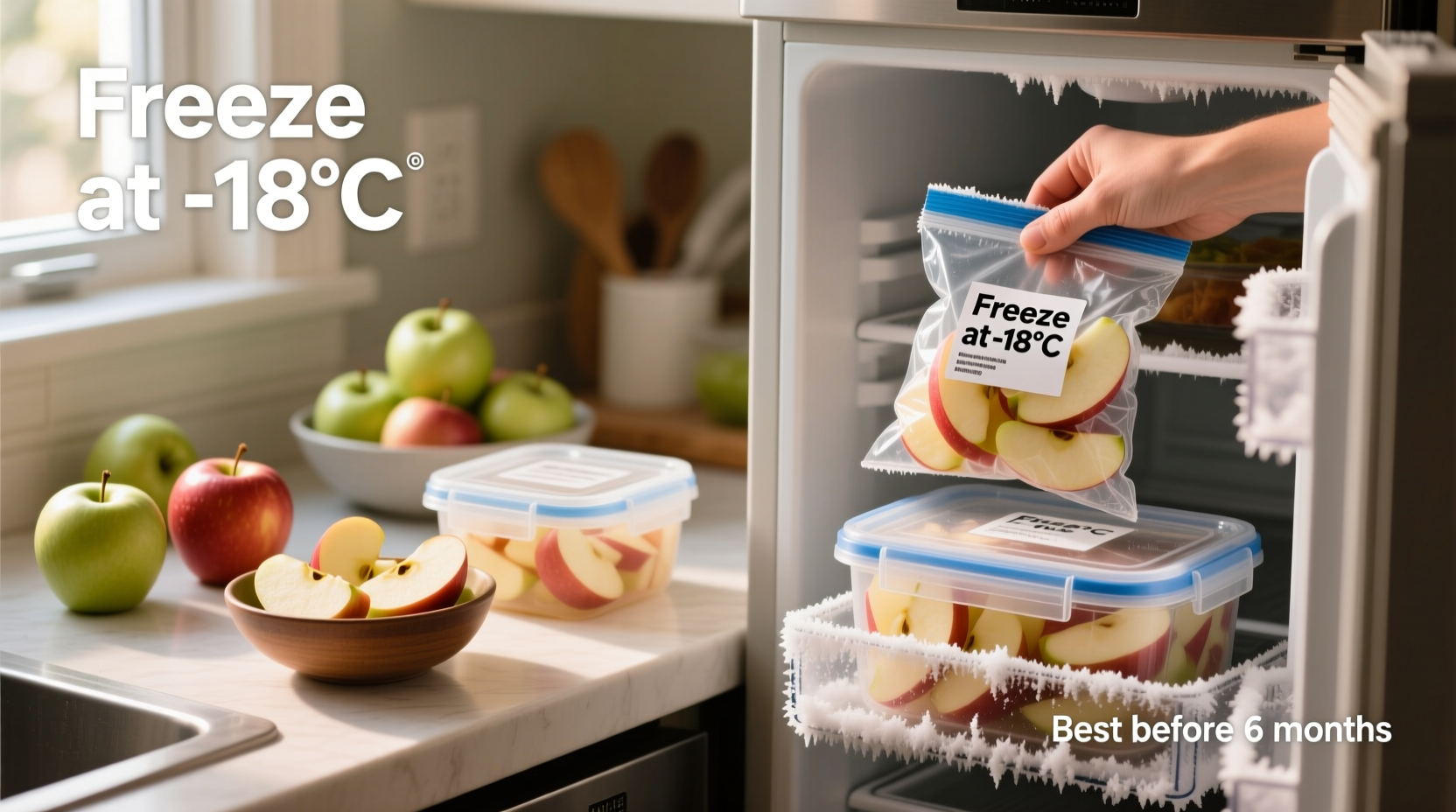
Apples are 85% water, making them ideal candidates for freezing, but their cellular structure changes when frozen and thawed. Raw frozen apples become softer upon thawing, which makes them less suitable for eating out of hand but excellent for sauces, pies, smoothies, and baked goods. The real challenge isn't the cold—it's oxidation. Once sliced, apples react with oxygen, turning brown and losing visual appeal and some nutritional value. Preventing this reaction is critical for quality results.
Enzymatic browning occurs due to polyphenol oxidase (PPO) enzymes reacting with oxygen. To stop this process, you must either deactivate the enzyme or limit its exposure to air. This is where proper preparation techniques come in—particularly blanching, using acidulated water, or vacuum sealing.
Step-by-Step Guide to Freezing Apples
The best method depends on how you plan to use the apples later. Below is a comprehensive guide that covers all common approaches, from simple slices to prepped pie fillings.
- Select ripe but firm apples. Overripe fruit will turn mushy when thawed. Varieties like Granny Smith, Honeycrisp, Fuji, and Braeburn hold up well in freezing.
- Wash thoroughly. Scrub apples under cool running water to remove dirt, wax, or pesticide residue—even if peeling.
- Peel, core, and slice. While peeling is optional, unpeeled apples may develop a leathery texture after freezing. Cut into uniform slices (¼ to ½ inch thick) for even treatment.
- Prevent browning. Soak slices in one of these solutions for 3–5 minutes:
- 1 tablespoon lemon juice per 1 cup of water
- ½ teaspoon ascorbic acid (vitamin C powder) per 3 cups of water
- Commercial produce protector, following label instructions
- Drain and dry. Lay slices on a clean towel or paper towels to remove excess moisture. Wet apples form ice clumps and suffer freezer burn faster.
- Flash freeze (optional but recommended). Arrange slices in a single layer on a parchment-lined baking sheet. Freeze for 2–3 hours until solid. This prevents sticking and allows you to pull only what you need later.
- Pack for long-term storage. Transfer frozen slices to airtight containers or heavy-duty freezer bags. Remove as much air as possible to minimize oxidation.
- Label and date. Include contents and freeze date. Best quality is retained for 10–12 months.
Alternative Freezing Methods Compared
Different uses call for different prep styles. Here’s a comparison of four common freezing methods:
| Method | Best For | Pros | Cons |
|---|---|---|---|
| Raw Slices (treated) | Pies, crisps, sauces | Quick, retains shape, easy to portion | Slightly softer texture when thawed |
| Blanched Slices | Cooked dishes, baby food | Stops enzymes completely, longer shelf life | Loses some crunch, more time-consuming |
| Puree or Sauce | Smoothies, baking, desserts | Ready-to-use, space-efficient | Not suitable for slicing applications |
| Whole Apples (not recommended) | Emergency backup only | No prep needed | Poor texture, hard to use, prone to ice damage |
“Freezing apples at peak ripeness locks in flavor and nutrition better than any other home preservation method—except you must manage oxidation from the start.” — Dr. Linda Reeves, Food Preservation Specialist, Cornell Cooperative Extension
Mini Case Study: Preserving an Orchard Harvest
When Sarah harvested 40 pounds of apples from her backyard orchard, she knew she couldn’t eat them all fresh. Instead of letting half go to waste, she spent a Saturday preparing them for the freezer. She used three methods: flash-frozen slices for future pies, spiced applesauce in labeled jars, and diced apples soaked in lemon water for smoothies. Over the next nine months, she used the frozen apples in oatmeal, muffins, and Thanksgiving pies. Not one batch showed signs of freezer burn, thanks to vacuum-sealed bags and consistent freezer temperature. By June, she still had usable apples—proof that proper freezing extends usability far beyond the growing season.
Essential Tips for Maximum Freshness
- Use oxygen-blocking packaging: Vacuum sealers or freezer-grade zip-top bags with air pressed out work best.
- Avoid glass jars unless specifically designed for freezing—they can crack from expansion.
- Don’t skip the pretreatment step. Even brief exposure to air compromises color and taste.
- Portion appropriately. Freeze in recipe-sized batches (e.g., 2-cup portions for pies).
- Keep your freezer organized. Rotate older stock to the front to use first (FIFO: First In, First Out).
Checklist: How to Freeze Apples Successfully
Follow this checklist to ensure success every time:
- ☐ Choose firm, ripe apples
- ☐ Wash and dry thoroughly
- ☐ Peel, core, and slice uniformly
- ☐ Soak in anti-browning solution (lemon juice or ascorbic acid)
- ☐ Drain and pat dry
- ☐ Flash freeze on a tray (optional but recommended)
- ☐ Pack in airtight, labeled containers or bags
- ☐ Remove excess air and seal tightly
- ☐ Store at 0°F or below
- ☐ Use within 12 months for best quality
Frequently Asked Questions
Can I freeze apples without peeling them?
Yes, but expect a tougher skin after thawing. Unpeeled apples work well in cooked dishes like sauce or stewed apples, where texture matters less. For slices used in baking, peeling is recommended for better mouthfeel.
Do frozen apples lose nutrients?
Minimal nutrient loss occurs when apples are frozen quickly and stored properly. Vitamin C is somewhat sensitive to oxidation, so pretreating with lemon juice helps preserve it. Overall, frozen apples retain most vitamins and antioxidants compared to fresh-stored fruit over time.
How do I use frozen apples in baking?
You can add frozen apple slices directly to pie fillings or bread batter—no need to thaw fully. Thawing slowly in the refrigerator preserves texture for dishes like compotes. For smoothies, toss frozen chunks straight into the blender.
Final Thoughts and Action Steps
Freezing apples at home is not only possible—it’s one of the smartest ways to extend the life of your favorite fruit. With minimal effort and the right techniques, you can enjoy autumn’s bounty all year round. The difference between mediocre and excellent results comes down to attention to detail: preventing browning, removing air, and using proper packaging. Don’t let surplus apples go to waste. Take action today by gathering your tools, selecting your preferred method, and preserving flavor and nutrition for future meals.




 浙公网安备
33010002000092号
浙公网安备
33010002000092号 浙B2-20120091-4
Comments
No comments yet. Why don't you start the discussion?