
Corns on toes are a common yet painful condition caused by excessive pressure or friction, often from ill-fitting footwear. These small, hardened areas of skin develop as a protective response, but over time they can become increasingly uncomfortable, making walking or wearing shoes difficult. While corns are not usually dangerous, they can significantly impact quality of life if left untreated. The good news is that most corns respond well to conservative care when addressed early and correctly. This guide outlines proven strategies—from home remedies to professional treatments—that offer lasting relief and help prevent future occurrences.
Understanding Corns: What They Are and Why They Form
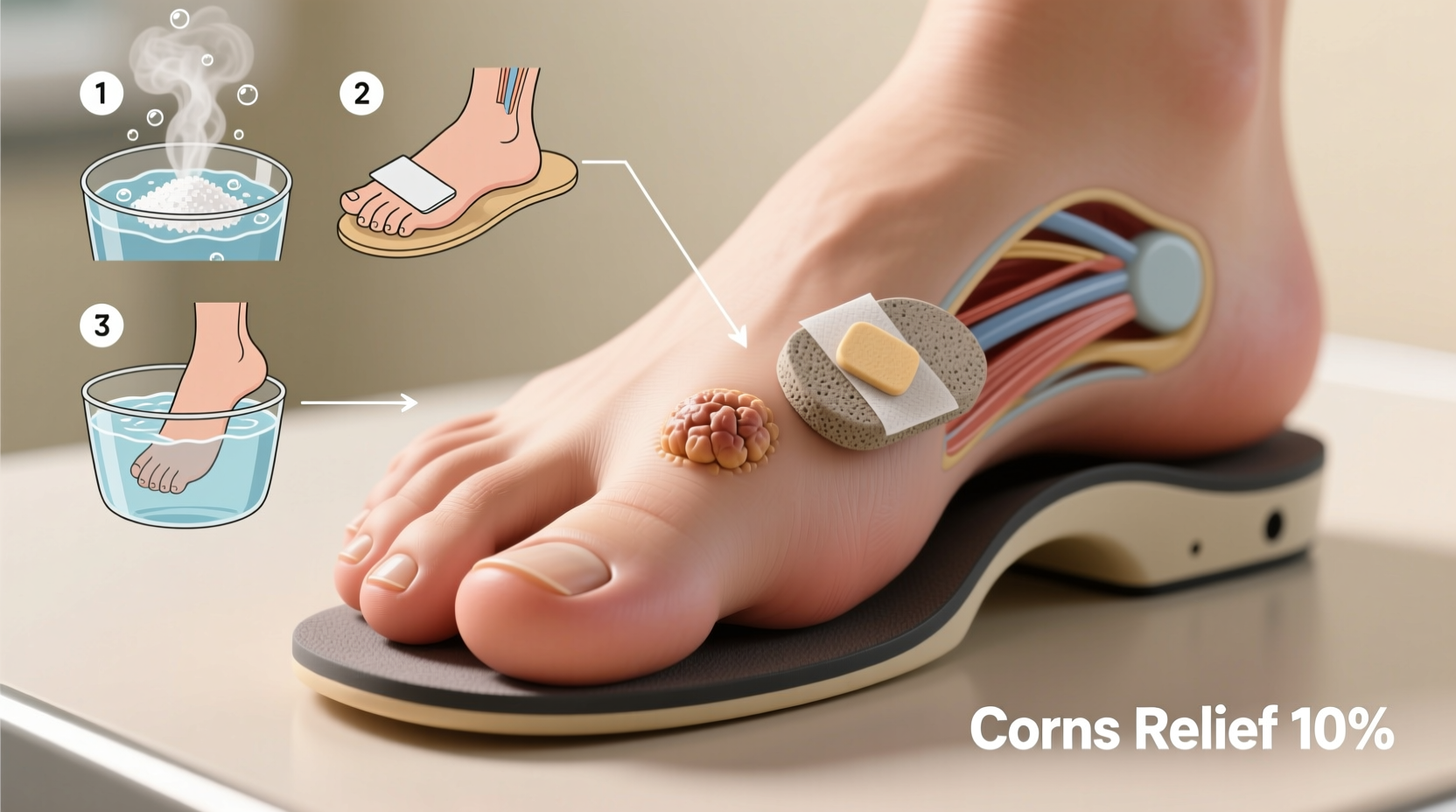
Corns are localized thickenings of the skin that typically form on the tops, sides, or between toes. Unlike calluses, which are broader and flatter, corns have a deep, hard center that can press into the underlying tissue, causing pain. There are several types:
- Hard corns (heloma durum): Found on the tops of toes, especially near joints.
- Soft corns (heloma molle): Develop between toes where moisture keeps the skin soft.
- Seed corns: Tiny, often painless corns on the bottom of the foot.
The primary cause is repeated pressure or rubbing, usually due to tight shoes, high heels, or toe deformities like hammertoes. Poorly cushioned footwear, bunions, or even abnormal gait patterns can also contribute. Over time, the body responds by building up layers of keratinized skin—a defense mechanism gone awry.
“Corns are rarely just a cosmetic issue. When neglected, they can lead to ulceration, infection, or changes in posture that affect the knees and back.” — Dr. Alan Pierce, Podiatrist and Foot Health Specialist
Step-by-Step Guide to Removing Corns Safely at Home
For mild to moderate corns, consistent home care can yield excellent results. The goal is to soften the corn, gently remove dead skin, and eliminate the source of friction. Follow this timeline for optimal outcomes:
- Soak daily (Days 1–7): Soak feet in warm, soapy water for 10–15 minutes. Add Epsom salt to reduce inflammation and soften skin.
- Exfoliate gently (After soaking): Use a pumice stone or foot file to lightly buff the corn. Never cut or shave it yourself—this increases infection risk.
- Apply keratolytic agents (Daily): Use over-the-counter pads or solutions containing salicylic acid (17% concentration). These break down excess keratin.
- Maintain moisture (Twice daily): Apply urea-based creams (20–40%) to keep surrounding skin supple and prevent cracking.
- Protect and cushion (Ongoing): Wear toe sleeves, non-medicated corn pads, or moleskin to reduce pressure.
- Evaluate progress (Day 10–14): If the corn hasn’t improved or becomes more painful, consult a podiatrist.
Do’s and Don’ts When Treating Toe Corns
| Do | Don't |
|---|---|
| Wear properly fitted shoes with wide toe boxes | Use sharp tools to cut or dig out corns |
| Use orthotics if you have flat feet or high arches | Ignore signs of redness, swelling, or pus |
| Rotate footwear to reduce repetitive pressure | Soak feet daily if you have diabetes or poor circulation |
| Moisturize feet nightly with thick emollients | Continue wearing shoes that cause discomfort |
| Trim toenails straight across to prevent crowding | Assume all corns are the same—seek diagnosis if unsure |
When to See a Professional: Medical and Clinical Treatments
Home remedies may not suffice for large, deeply embedded, or recurrent corns—especially in individuals with diabetes, neuropathy, or circulatory issues. In such cases, professional intervention is essential.
A podiatrist may perform a simple in-office procedure to pare down the corn using a sterile blade. This provides immediate relief and allows for accurate assessment. For recurring corns due to structural issues (e.g., overlapping toes), custom orthotics or minor corrective surgery might be recommended.
Laser treatment and cryotherapy are less common but may be used in select cases. More importantly, professionals can differentiate corns from warts or cysts, which require different management.
“Many patients come in after weeks of self-treatment with worsening pain. Early professional evaluation prevents complications and speeds recovery.” — Dr. Lena Torres, Board-Certified Podiatrist
Mini Case Study: Resolving Chronic Corn Pain in a Retail Worker
Sarah, a 42-year-old retail supervisor, developed painful corns on her second and fourth toes after switching to a new uniform shoe with a narrow toe box. Despite using drugstore pads and soaking nightly, the corns worsened over three months. She began limping and experienced radiating pain into her arches.
Upon visiting a podiatrist, she was diagnosed with both hard and soft corns exacerbated by hammertoe deformity. The doctor performed debridement, prescribed a urea-salicylic acid gel, and recommended metatarsal pads and wider shoes. Sarah also received silicone toe spacers to wear at night.
Within four weeks, her pain decreased by 80%. After eight weeks, the corns had fully resolved. By rotating supportive footwear and using spacers consistently, she remained corn-free for over a year.
Prevention Checklist: Avoiding Future Corn Formation
Eliminating existing corns is only half the battle. Long-term success depends on preventing recurrence. Use this checklist to protect your feet:
- ✅ Measure your feet regularly—shoe size can change with age
- ✅ Choose shoes with soft uppers, low heels, and roomy toe boxes
- ✅ Avoid pointed-toe styles or stilettos for extended wear
- ✅ Wear moisture-wicking socks to reduce friction
- ✅ Use silicone toe caps or separators if toes rub together
- ✅ Inspect feet weekly for early signs of thickening or redness
- ✅ Replace worn-out shoes—especially athletic footwear every 300–500 miles
Frequently Asked Questions
Can corns go away on their own?
Only if the source of pressure is removed. Without changes in footwear or foot mechanics, corns typically persist or return. Temporary relief may occur with reduced activity, but complete resolution requires addressing the root cause.
Is it safe to use salicylic acid products?
Yes, for most people—but not for those with diabetes, peripheral artery disease, or nerve damage. These individuals should avoid OTC acids due to increased risk of skin breakdown and infection. Always follow label instructions and discontinue use if irritation occurs.
What’s the difference between a corn and a wart?
Corns result from pressure and have a central core; warts are viral infections (HPV) that may appear anywhere on the foot and often contain tiny black dots (clotted capillaries). Warts can spread and are more irregular in shape. A healthcare provider can distinguish them clinically.
Conclusion: Take Control of Foot Comfort Today
Dealing with corns doesn’t have to be a cycle of temporary fixes and recurring pain. With the right combination of gentle exfoliation, protective padding, proper footwear, and timely professional care, you can eliminate corns effectively and prevent them from coming back. Your feet carry you through life—investing in their comfort and health pays dividends in mobility, confidence, and daily well-being. Start today by assessing your shoes, beginning a foot care routine, and seeking expert advice if needed. Small changes now can lead to lasting freedom from foot pain.




 浙公网安备
33010002000092号
浙公网安备
33010002000092号 浙B2-20120091-4
Comments
No comments yet. Why don't you start the discussion?