
Dealing with hornets and wasps around your home can be more than just a nuisance—it can pose real health risks. Unlike bees, which are generally docile unless provoked, hornets and wasps are naturally aggressive and capable of multiple stings. For individuals with allergies, a single sting can lead to anaphylaxis, requiring immediate medical attention. Even for those not allergic, repeated stings can cause severe pain, swelling, and infection. The key is not only removing these pests but doing so in a way that minimizes danger to people, pets, and beneficial insects. This guide outlines proven, safe strategies to eliminate hornets and wasps effectively, using both preventive measures and targeted removal techniques.
Understanding the Threat: Hornets vs. Wasps
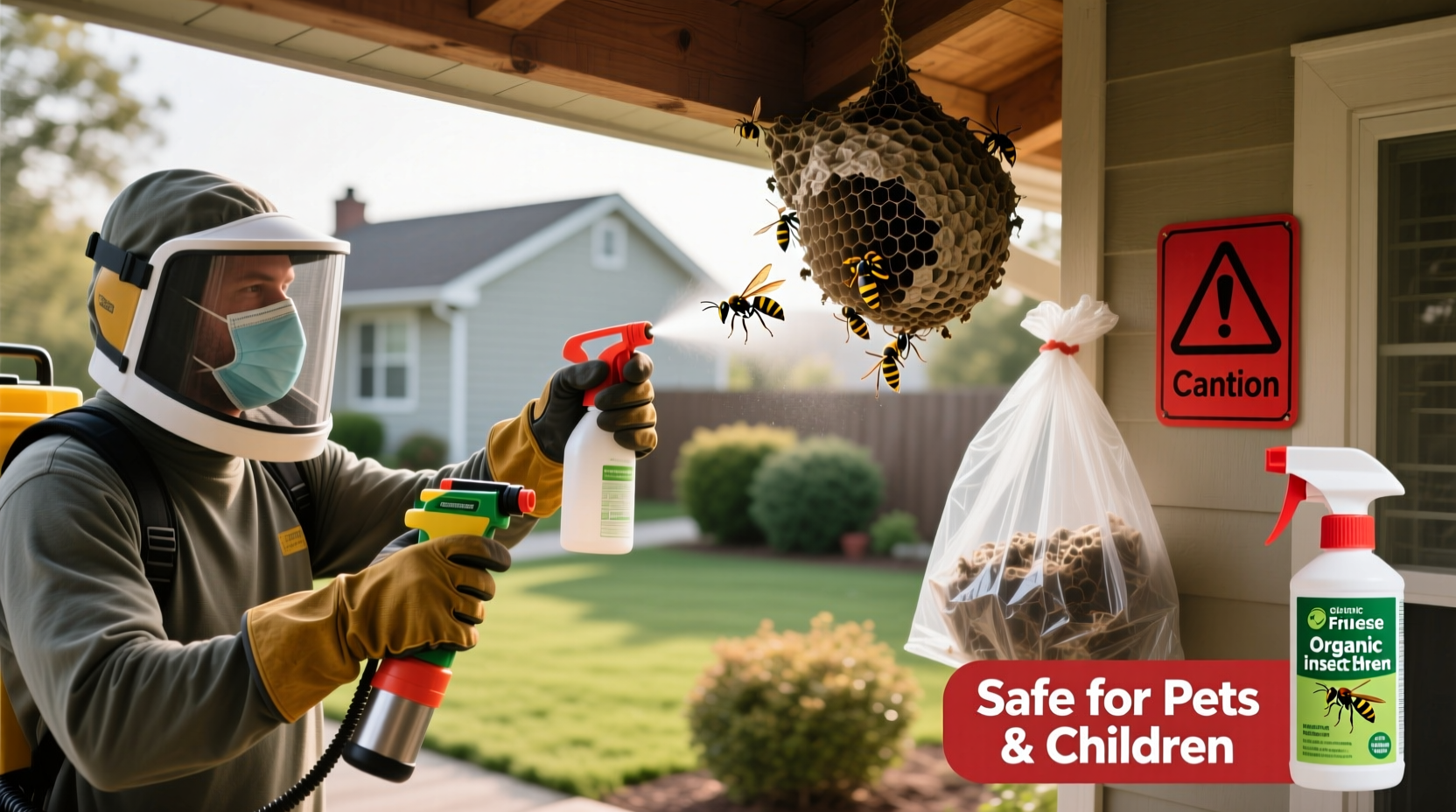
Before taking action, it's important to distinguish between hornets and wasps, as their behavior and nest structures differ. Hornets are a subset of wasps but tend to be larger, more aggressive, and often build enclosed nests in trees, shrubs, or under eaves. The European hornet and bald-faced hornet are common in North America. Wasps, such as yellow jackets and paper wasps, are smaller and may construct open-comb nests in attics, wall voids, or underground. Yellow jackets, in particular, are notorious for nesting in lawns and becoming aggressive near food sources.
Both species play a role in controlling garden pests, but when their nests are located near human activity—such as doorways, patios, or children’s play areas—the risk outweighs the benefit. Immediate action is necessary to prevent stings and potential infestations.
Prevention: Stop Infestations Before They Start
The most effective pest control begins long before you see a nest. Preventive measures reduce the likelihood of hornets and wasps choosing your property as a nesting site. These flying insects are attracted to food, water, and shelter—three things homes often provide unintentionally.
- Keep outdoor trash cans tightly sealed and clean them regularly.
- Avoid leaving sugary drinks, fruit, or pet food outside.
- Repair damaged window screens and seal gaps around doors, vents, and rooflines.
- Trim overgrown bushes and remove fallen fruit from gardens.
- Use yellow bug lights instead of bright white bulbs outdoors, as they attract fewer insects.
Nesting sites like hollow trees, attic spaces, and unused equipment sheds should be inspected seasonally. If possible, install mesh covers over vents and chimney openings to block access.
Safe Removal Methods: Step-by-Step Guide
If you discover a nest, act quickly—but carefully. Attempting removal without proper precautions can provoke mass attacks. Follow this step-by-step approach to minimize risk while eliminating the colony.
- Identify the nest type and location: Is it aerial (hanging from eaves) or subterranean (in the ground)? Aerial nests belong to paper wasps or hornets; ground nests are typically yellow jackets.
- Choose the right time: Work at night when wasps and hornets are less active and return to the nest. They rely on vision, so darkness reduces aggression.
- Dress for protection: Wear thick clothing, gloves, a hat, and a veil or face shield. Tuck pants into socks and sleeves into gloves.
- Select a treatment method: Use dust, aerosol sprays, or traps depending on nest accessibility (see table below).
- Apply treatment: For aerosols, spray directly into the entrance from a distance of 6–8 feet. For dusts, puff into the opening using a duster applicator.
- Wait 24–48 hours: Allow time for the pesticide to spread through the colony via contact.
- Remove the nest: After confirming no activity, carefully take down the nest and seal it in a plastic bag for disposal.
“Never use water or attempt to burn a nest—this will agitate the insects and increase the risk of stings.” — Dr. Alan Reed, Entomologist, University of Vermont Extension
Comparison of Treatment Options
| Method | Best For | Effectiveness | Safety Level | Time to Work |
|---|---|---|---|---|
| Insecticidal Dust (e.g., Sevin) | Ground nests, wall voids | High | Moderate (requires close application) | 24–72 hours |
| Aerosol Spray (freeze or chemical) | Aerial nests, accessible locations | High | Moderate (use from distance) | Immediate to 48 hours |
| Bait Traps | Yellow jackets, early season | Low to Moderate | High | Days to weeks |
| Natural Solutions (soapy water, vinegar) | Small nests, low risk areas | Low | High | Variable, often incomplete |
| Professional Extermination | All types, especially large or inaccessible nests | Very High | Very High | Immediate to 24 hours |
When to Call a Professional
Some situations demand expert intervention. If the nest is large, located inside walls, near HVAC systems, or above head height, attempting DIY removal increases danger significantly. Professionals have protective gear, specialized tools, and experience handling aggressive colonies. They also understand how to treat nests without causing structural damage or releasing insects indoors.
A real-world example: A homeowner in Ohio discovered a European hornet nest inside his garage wall after hearing buzzing behind the drywall. He attempted to spray insecticide through an electrical outlet, which only agitated the colony. Within hours, dozens of hornets emerged through light fixtures. A licensed pest control operator later removed the nest safely using a combination of dust injection and vacuum extraction, preventing further infestation.
If you’re unsure about the species, location, or size of the nest—or if you’ve been stung before—consult a professional exterminator. The cost (typically $150–$500) is minor compared to medical bills or a severe allergic reaction.
Frequently Asked Questions
Can I use soapy water to kill wasps?
Yes, a mixture of dish soap and water can suffocate wasps on contact. It works best for small, exposed nests but is less effective for large colonies or hidden nests. Spray liberally at night, but expect to repeat the process. This method is safer for the environment but requires persistence.
Are hornets and wasps beneficial? Should I always remove them?
Both prey on garden pests like caterpillars and flies, making them ecologically valuable. If a nest is far from human traffic and poses no threat, consider leaving it undisturbed until winter, when most colonies die off naturally. Only intervene when safety is compromised.
How fast do wasp nests grow?
A single queen can start a nest in spring that grows to house hundreds by late summer. Paper wasp nests may reach softball size; hornet nests can exceed a basketball in volume. Early detection in May or June allows for easier, safer removal before populations peak.
Final Recommendations and Safety Checklist
Eliminating hornets and wasps safely requires preparation, timing, and respect for the risks involved. Whether you choose DIY methods or professional help, prioritize personal safety above all. Here’s a concise checklist to guide your actions:
- ✅ Identify the insect species and nest location
- ✅ Assess whether the nest is accessible and safe to treat
- ✅ Choose the appropriate removal method based on nest type
- ✅ Gather protective clothing and tools before starting
- ✅ Treat at night when insects are least active
- ✅ Monitor the area for 2–3 days post-treatment
- ✅ Remove the nest only after all activity has ceased
- ✅ Seal entry points to prevent re-nesting
- ✅ Contact a professional if the situation seems risky
“The safest way to deal with a wasp or hornet nest is to avoid getting stung while dealing with it. That means planning, protection, and sometimes, knowing when to call for backup.” — National Pest Management Association
Take Action with Confidence
With the right knowledge and precautions, you can reclaim your outdoor space from aggressive hornets and wasps. Remember, speed matters—early intervention prevents larger infestations—but safety matters more. Use this guide to assess your situation calmly, choose the best method, and act decisively. Share your experiences or questions in the comments to help others stay protected this season.




 浙公网安备
33010002000092号
浙公网安备
33010002000092号 浙B2-20120091-4
Comments
No comments yet. Why don't you start the discussion?