
Hornets are among the most aggressive stinging insects, and a nest near your home presents a serious safety hazard. Unlike bees, hornets can sting repeatedly and often attack in groups when threatened. If you've spotted a paper-like structure under your eaves, in a wall void, or clinging to a porch beam, it's likely a hornet colony. Acting quickly and safely is crucial—not just to eliminate current threats, but to prevent future infestations. This guide outlines proven, effective methods for removing a hornets nest from your house, emphasizing safety, timing, and long-term prevention.
Understanding the Risk: Why Hornets Nests Demand Caution
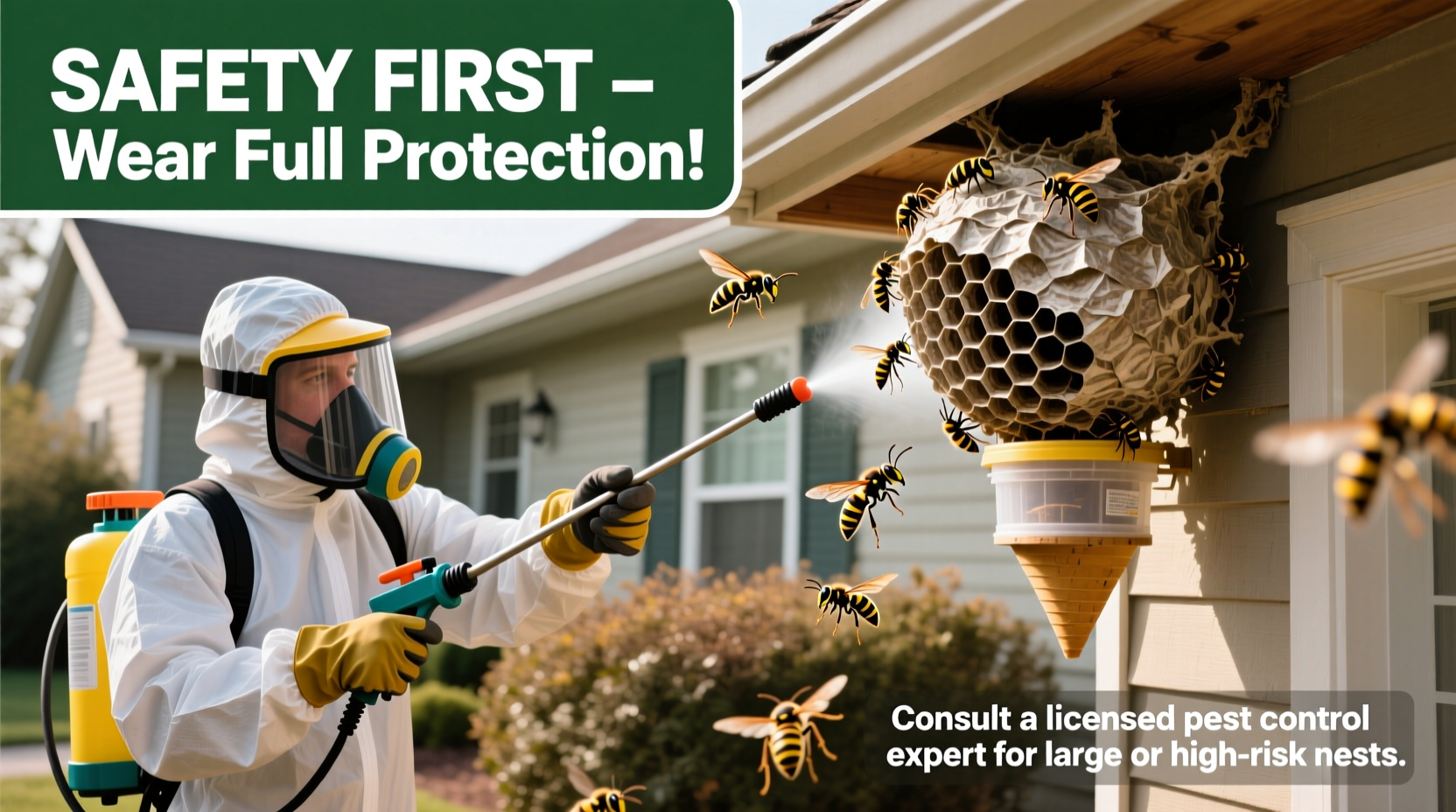
Hornets, particularly species like the European hornet or bald-faced hornet, build large, enclosed nests made of a papery material created from chewed wood fibers. These nests can house hundreds of individuals by late summer. The danger lies not only in their painful stings—venomous enough to cause severe allergic reactions—but also in their territorial defense. A disturbed nest can result in multiple attackers swarming within seconds.
Attempting removal during daylight, using ineffective sprays, or failing to seal entry points afterward increases both personal risk and the likelihood of re-infestation. Professional pest control experts emphasize that improper handling often leads to more dangerous encounters than leaving the nest undisturbed—at least temporarily.
“Never underestimate a hornet’s defensive behavior. One misstep during removal can trigger a full-scale attack.” — Dr. Alan Reyes, Entomologist, National Pest Management Association
Step-by-Step Guide: Safe Removal Process at Home
If the nest is small, accessible, and located away from high-traffic areas, DIY removal may be feasible—but only with strict adherence to safety protocols. Follow this timeline-based approach for maximum effectiveness and minimal risk.
- Assess the Nest (Day 1): Observe activity from a safe distance (at least 15 feet). Note entry/exit points, size, and proximity to doors or windows. Confirm it’s a hornet nest and not wasps or yellow jackets, which behave differently.
- Gather Supplies (Day 1): Purchase a commercial hornet & wasp spray with jet-stream reach (minimum 20 feet), wear thick clothing, gloves, goggles, and a hat with a veil if possible.
- Choose Timing (Nightfall): Hornets are less active at night, especially between 10 PM and 4 AM. Cool temperatures further reduce aggression.
- Spray the Nest (Night Action): Stand upwind. Apply aerosol directly into the entrance and over the surface. Saturate thoroughly. Retreat immediately after spraying.
- Wait 24 Hours: Return during daylight to check for activity. No movement means the colony is likely dead.
- Remove the Nest: Using a long pole or rake, dislodge the nest carefully. Place it in a sealed plastic bag and dispose in an outdoor trash bin.
- Seal Entry Points: Inspect for cracks, gaps around soffits, vents, or siding. Seal with caulk or steel wool to prevent future nesting.
When to Call a Professional Exterminator
Certain situations require professional intervention. Attempting DIY removal in these cases significantly increases danger and reduces success rates.
- Nest located inside walls, attics, or chimneys
- Colony exceeds softball size or shows heavy daytime traffic
- Multiple nests present on the property
- Previous allergic reaction to stings in household members
- Lack of proper protective gear or experience
Professionals use specialized tools such as dust applicators, vacuum systems, and non-repellent insecticides that penetrate deep into hidden voids. They also offer follow-up inspections and warranty services, ensuring complete eradication.
Real Example: A Homeowner’s Close Call
In suburban Ohio, Mark T. attempted to remove a nest beneath his deck using a short-range spray during early evening. As he approached, two hornets emerged. He sprayed hastily and stepped back—but within seconds, over a dozen hornets pursued him across the yard. He sustained seven stings before reaching indoors. The next day, a licensed exterminator removed the nest, revealing it had grown into a wall cavity. Had he waited and called earlier, the incident could have been avoided entirely.
Prevention Strategies After Removal
Eliminating one nest doesn’t guarantee future protection. Hornets often return to familiar sites or establish new colonies nearby if attractants remain.
| Do | Avoid |
|---|---|
| Trim tree branches touching the house | Leaving food or sugary drinks outdoors |
| Install fine mesh screens on vents and attic openings | Using bright outdoor lighting at night (attracts insects) |
| Keep garbage bins tightly sealed and away from entrances | Ignoring small paper fragments or early scout hornets |
| Use natural deterrents like cucumber peels or mint oil near potential nesting zones | Delaying repairs on cracked siding or loose trim |
Alternative Methods: What Works and What Doesn’t
Many homeowners seek chemical-free options. While some alternatives show limited success, they come with important caveats.
- Soap and Water Solution: A mixture of dish soap and water can suffocate hornets if sprayed directly. However, it lacks range and requires close contact—highly risky.
- Diatomaceous Earth: Food-grade DE applied near entry points dehydrates insects. Effective over time but not immediate.
- Traps: Useful for reducing worker populations but won’t eliminate a mature nest.
- Mothballs or Essential Oils: Often touted online, but studies show no reliable repellency against established colonies.
For immediate threat reduction, EPA-registered insecticidal sprays remain the most dependable option when used correctly.
FAQ: Common Questions About Hornets Nest Removal
Can I remove a hornets nest during the day?
No. Hornets are highly active and defensive during daylight. Removal should only be attempted at night when they are dormant and less likely to swarm.
How long does it take for a hornet nest to die after spraying?
Most aerosols kill on contact, but it may take 24–48 hours for the entire colony—including larvae and queen—to perish. Always wait at least one full day before approaching the nest.
Are hornets nests reused the following year?
No. Hornets do not reuse old nests. However, queens may return to the same general area to start a new colony if conditions are favorable. Preventive sealing and monitoring are essential.
Final Checklist Before Taking Action
- ✅ Identify the nest location and size
- Confirm it's a hornet and assess accessibility.
- ✅ Check weather forecast
- Avoid windy or rainy nights—wind disrupts spray accuracy; rain reduces chemical efficacy.
- ✅ Wear full-body protection
- Long sleeves, pants tucked into socks, gloves, and eye protection are mandatory.
- ✅ Prepare escape route
- Plan how to retreat quickly after spraying—do not turn your back until indoors.
- ✅ Dispose of nest properly
- Bag it securely and place in an outdoor bin far from living areas.
Conclusion: Prioritize Safety and Long-Term Prevention
Removing a hornets nest from your house isn't just about eliminating a nuisance—it's about protecting your family from a potentially life-threatening situation. Whether you choose a careful DIY approach or call in a licensed professional, the key factors are preparation, timing, and follow-through. Never rush the process, and always err on the side of caution. Once the nest is gone, invest time in sealing vulnerabilities and monitoring your home’s exterior. With vigilance and smart action, you can keep your property hornet-free for seasons to come.




 浙公网安备
33010002000092号
浙公网安备
33010002000092号 浙B2-20120091-4
Comments
No comments yet. Why don't you start the discussion?