
Poison oak is one of the most common causes of allergic contact dermatitis in North America. Found predominantly in the western United States and British Columbia, this plant releases urushiol—an oily resin that triggers an itchy, blistering rash in over 85% of people who come into contact with it. While the rash is not contagious, the oil can linger on skin, clothing, tools, and pets, making proper removal and decontamination essential. The best way to get rid of poison oak safely involves a combination of immediate response, thorough cleaning, and preventive strategies that protect both individuals and their environment.
Understanding Poison Oak: Identification and Risks
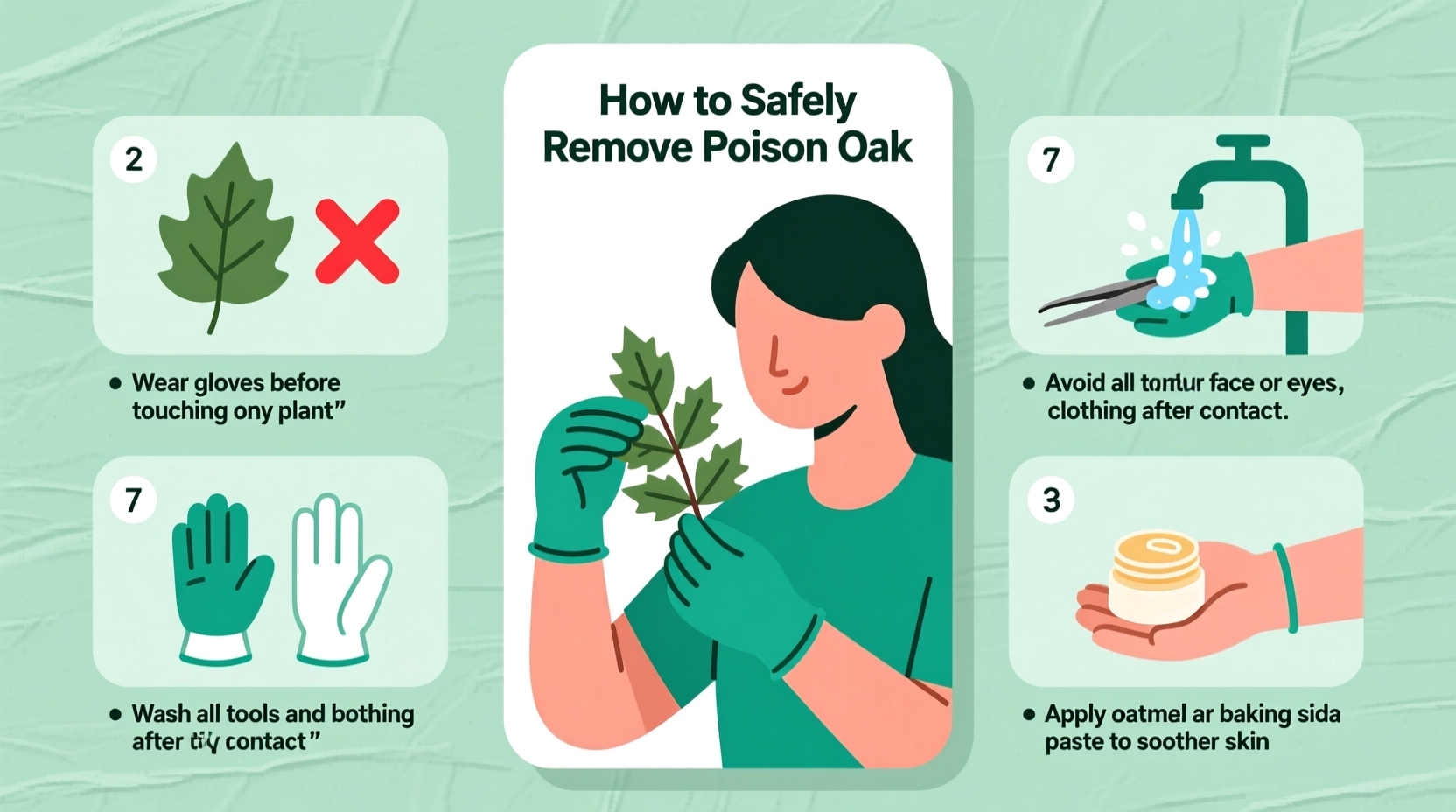
Poison oak (Toxicodendron diversilobum) grows as a shrub or climbing vine and is often mistaken for harmless plants due to its leaf structure, which resembles oak leaves. It typically grows in clusters of three leaflets—\"leaves of three, let it be\"—though mature plants may have five, seven, or even nine leaflets. The leaves change color with the seasons: green in spring and summer, turning red or orange in fall. It may also produce white or yellowish berries.
The primary danger lies in urushiol, a clear, sticky oil present in all parts of the plant—leaves, stems, roots, and berries. Urushiol binds to skin within minutes of contact and can remain active on surfaces for months. Inhaling smoke from burning poison oak can lead to severe respiratory issues, making controlled removal critical.
Immediate Response After Exposure
If you suspect contact with poison oak, time is crucial. Urushiol begins penetrating the skin within 10–20 minutes. Acting quickly can significantly reduce or even prevent a rash.
- Rinse with cool water: Immediately flush the affected area with copious amounts of cool running water. Avoid hot water, which opens pores and increases absorption.
- Use a specialized cleanser: Standard soap may spread the oil. Instead, use a product designed to break down urushiol, such as Tecnu Original or Zanfel. These contain surfactants that lift the oil from the skin.
- Avoid scrubbing: Vigorous rubbing can push the oil deeper into the skin or spread it to unaffected areas.
- Wash under nails: Urushiol can hide under fingernails and transfer to other body parts later.
Showering within 10 minutes of exposure reduces the risk of rash by up to 90%, according to the American Academy of Dermatology.
Safe Removal of Poison Oak Plants
Eradicating poison oak from your yard requires caution. Never burn it—inhaling the smoke can cause life-threatening lung inflammation. Mechanical and chemical methods exist, but safety must guide every step.
Manual Removal (For Small Infestations)
Hand-pulling is possible for small patches if done carefully:
- Wear thick rubber gloves, long sleeves, pants tucked into boots, and eye protection.
- Use tools like a weed puller or shovel to minimize direct contact.
- Dig deep to remove the entire root system—poison oak regrows easily from root fragments.
- Place all plant material in sealed plastic bags and dispose of them in the trash (not compost).
- Immediately remove clothing and wash it separately in hot water with detergent.
Chemical Control (For Larger Areas)
Herbicides containing glyphosate or triclopyr are effective but should be applied with precision to avoid harming desirable plants. Always follow label instructions and apply on calm days to prevent drift.
| Method | Best For | Pros | Cons |
|---|---|---|---|
| Manual Pulling | Small patches, organic preference | No chemicals; full root removal possible | High exposure risk; labor-intensive |
| Herbicide Spray | Large infestations, hard-to-reach areas | Effective over large areas | Environmental impact; reapplication often needed |
| Solarization (Plastic Covering) | Ground cover patches | Chemical-free; solar heat kills plants | Takes 4–6 months; unsightly |
“Even dead poison oak plants retain active urushiol for years. Always assume any part of the plant is hazardous.” — Dr. Laura Chen, Clinical Dermatologist, University of California Health
Decontaminating Surfaces and Gear
Urushiol is tenacious. It can survive on clothing, gardening tools, pet fur, and outdoor equipment for weeks or longer. A single overlooked item can trigger repeated rashes.
Step-by-Step Decontamination Guide
- Isolate contaminated items: Keep shoes, clothes, and tools away from living spaces until cleaned.
- Wash clothing: Use hot water and heavy-duty laundry detergent. Run a second cycle if heavily exposed.
- Clean tools: Wipe with rubbing alcohol or a 10% bleach solution, then rinse thoroughly.
- Wipe down gear: Backpacks, gloves, and pet collars should be cleaned with soapy water or a commercial urushiol remover.
- Bathe pets: If your dog walked through a patch, bathe them with pet-safe shampoo while wearing gloves.
Checklist: Post-Exposure Decontamination
- ✅ Wash skin within 20 minutes
- ✅ Remove and bag clothing immediately
- ✅ Clean shoes and tools with alcohol or bleach solution
- ✅ Launder all exposed fabrics separately
- ✅ Check pets for exposure and bathe if necessary
Real-Life Example: Hiker’s Close Call
Mark, an experienced hiker in Northern California, brushed against a vine he mistook for ivy. He didn’t notice the contact until two days later, when a streaky rash appeared on his leg. Assuming it was minor, he scratched it and later touched his face—spreading the oil. Within 48 hours, he developed severe swelling around his eyes and was prescribed oral corticosteroids.
After recovery, Mark researched proper protocols. He now carries a travel-sized bottle of Tecnu in his backpack, wears long pants even in summer, and showers immediately after every hike. He also keeps a dedicated pair of hiking shoes outside his garage to prevent tracking urushiol indoors.
His experience underscores a key truth: even seasoned outdoorspeople can misidentify poison oak. Prevention and prompt action are non-negotiable.
FAQ: Common Questions About Poison Oak
Can you develop immunity to poison oak?
No. Sensitivity can vary over time, but repeated exposure often worsens reactions. Some people mistakenly believe they’re immune until a severe outbreak occurs after years of uneventful contact.
Is the rash contagious?
The rash itself is not contagious—fluid from blisters does not contain urushiol. However, the oil can transfer from unwashed skin, clothing, or objects and cause new rashes elsewhere.
How long does urushiol stay active on surfaces?
Urushiol can remain potent on contaminated objects for up to five years under dry conditions. Regular cleaning of outdoor gear is essential, especially after suspected exposure.
Conclusion: Stay Informed, Stay Protected
Getting rid of poison oak safely isn't just about removing the plant—it's about managing exposure at every level. From recognizing the plant in the wild to decontaminating gear and treating early symptoms, each step plays a role in preventing discomfort and protecting others. Whether you're clearing your backyard or returning from a trail, consistent precautions make all the difference.
Arm yourself with knowledge, keep emergency cleansers on hand, and treat every potential exposure seriously. Your skin will thank you.




 浙公网安备
33010002000092号
浙公网安备
33010002000092号 浙B2-20120091-4
Comments
No comments yet. Why don't you start the discussion?