
Switching baby formula is a decision many parents face—whether due to allergies, digestive issues, cost, availability, or recommendations from a pediatrician. While changing formulas may seem straightforward, doing it incorrectly can lead to gas, constipation, diarrhea, or refusal to feed. The key to a successful transition lies in timing, method, and close observation. With the right approach, you can minimize discomfort and ensure your baby adapts well to their new nutrition.
Why Formula Changes Are Sometimes Necessary
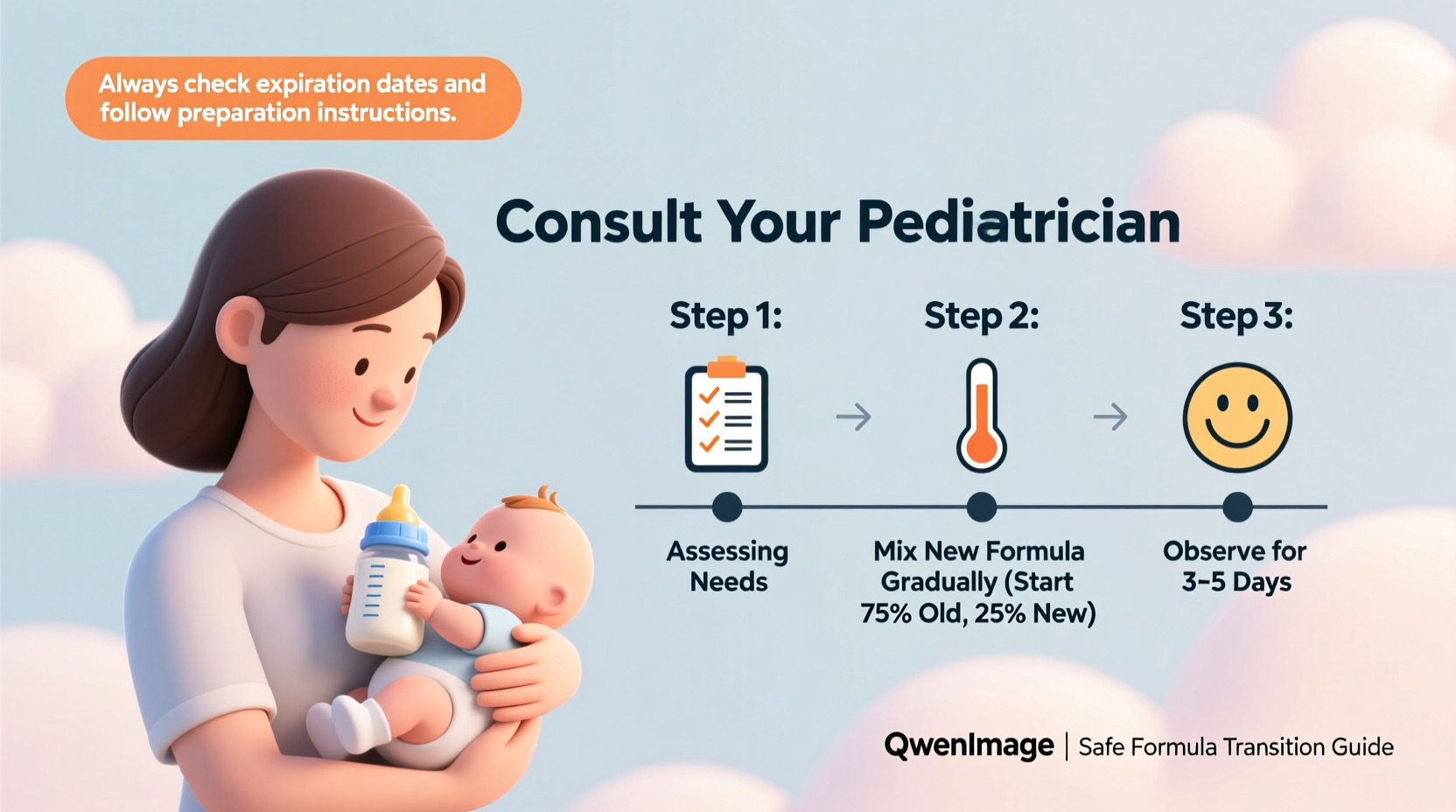
Babies are not one-size-fits-all, and neither are formulas. Common reasons parents consider switching include:
- Allergic reactions: Symptoms like eczema, blood in stool, or persistent rashes may indicate a cow’s milk protein allergy.
- Intolerance: Lactose intolerance or sensitivity can cause bloating, gas, and discomfort.
- Digestive concerns: Chronic constipation, reflux, or excessive spit-up might require a specialized formula.
- Growth needs: As babies grow, nutritional requirements change—transitioning from newborn to follow-on formulas may be advised.
- Supply or cost: Practical factors sometimes necessitate a switch to a more accessible or affordable brand.
Whatever the reason, the switch should never be abrupt unless directed by a healthcare provider. A gradual transition supports gut health and reduces the risk of adverse reactions.
Step-by-Step Guide to Safely Transition Baby Formula
A structured timeline helps your baby’s digestive system adjust gradually. Follow this five-day to seven-day plan for most standard-to-standard or standard-to-specialty switches:
- Day 1–2: Introduce 25% new formula – Replace one feeding per day with the new formula, or mix 25% new with 75% old in each bottle.
- Day 3–4: Increase to 50% new formula – Use a 50/50 blend across all bottles or dedicate two full feedings to the new formula.
- Day 5–6: Use 75% new formula – Reduce old formula to 25%, closely monitor for reactions.
- Day 7: Full transition – Feed only the new formula. Continue observing for 3–5 days after completion.
This slow ramp-up allows beneficial gut bacteria to adapt and minimizes shock to the digestive tract. For babies with known sensitivities or those switching to extensively hydrolyzed or amino acid-based formulas, some pediatricians recommend extending the process to 10–14 days.
“Rushing a formula change is one of the most common mistakes I see. The gut microbiome of an infant is still developing—gradual introduction gives it time to adjust.” — Dr. Lena Torres, Pediatric Gastroenterologist
Checklist: Preparing for a Formula Switch
Before beginning the transition, ensure you’re fully prepared:
- ✔ Consult your pediatrician and get approval for the new formula type
- ✔ Purchase a small supply first (8–12 oz) to test tolerance
- ✔ Label bottles clearly during the mixing phase to avoid confusion
- ✔ Track feedings, stools, and behavior in a journal or app
- ✔ Watch for signs of allergic reaction: hives, wheezing, vomiting, or bloody stools
- ✔ Keep the old formula on hand for at least two weeks in case of complications
Do’s and Don’ts When Changing Baby Formula
| Do’s | Don’ts |
|---|---|
| Do consult your pediatrician before switching | Don’t switch multiple brands or types at once |
| Do transition gradually over 5–7 days | Don’t introduce new formulas during illness or vaccination week |
| Do monitor stool pattern, sleep, and mood | Don’t ignore persistent diarrhea or rash |
| Do keep a symptom log for doctor visits | Don’t use homemade or unregulated formulas |
| Do allow 1–2 weeks for full adaptation | Don’t assume every fussy episode is formula-related |
Real Example: A Successful Formula Transition
Sophia, a 4-month-old, had been experiencing frequent gas, hard stools, and fussiness after feedings. Her pediatrician suspected a mild lactose sensitivity. After ruling out other causes, the doctor recommended switching from a standard cow’s milk-based formula to a partially hydrolyzed option.
Her parents followed a 7-day transition plan:
- Days 1–2: One bottle per day replaced with new formula
- Days 3–4: Two bottles switched, others mixed 50/50
- Days 5–6: Three bottles of new formula, remainder mixed
- Day 7: Full switch completed
By day 9, Sophia’s stools softened, gas reduced significantly, and her feeding pauses decreased. The family credited the gradual shift and consistent tracking for the smooth outcome. They continued using the new formula with no setbacks.
When to Pause or Stop the Switch
Not every formula suits every baby. Know when to hit pause:
- Bloody stools: Immediate red flag—stop the new formula and contact your doctor.
- Severe diarrhea: More than 5 watery stools in 24 hours warrants evaluation.
- Vomiting repeatedly: Especially if projectile or green-tinged.
- Rash or swelling: Signs of possible allergy, particularly around the face or neck.
- Persistent crying: If colic-like symptoms worsen beyond typical adjustment fussiness.
In such cases, revert to the original formula and seek medical guidance. Some babies may need a different alternative or further testing before finding the right fit.
Frequently Asked Questions
Can I mix different brands of the same type of formula?
Yes, if they are the same category (e.g., both routine cow’s milk-based), mixing during transition is safe. However, always check with your pediatrician, especially if one contains added probiotics or iron levels vary significantly.
How long does it take for a baby to adjust to a new formula?
Most babies adapt within 3 to 7 days after completing the switch. Digestive symptoms like gas or looser stools may persist briefly but should improve. If issues last beyond 10 days, consult your pediatrician.
Is it okay to switch back if the new formula doesn’t work?
Yes. Reverting to the previous formula is safe and often necessary. Document what happened so your doctor can guide next steps, such as trying a different specialty formula.
Final Thoughts: Prioritize Safety and Patience
Changing baby formula is a process that demands care, consistency, and communication with your healthcare provider. There is no universal “best” formula—only the one that works best for your baby’s unique needs. By following a gradual transition, monitoring closely, and avoiding common pitfalls, you can make the switch with confidence.




 浙公网安备
33010002000092号
浙公网安备
33010002000092号 浙B2-20120091-4
Comments
No comments yet. Why don't you start the discussion?