
Protective dogs serve as loyal guardians in homes, businesses, and law enforcement. When properly trained, they offer a powerful deterrent to threats while remaining under precise control. However, the line between protection and aggression is thin. The most effective training programs emphasize not just defense instincts but also discipline, focus, and responsiveness. Achieving this balance ensures your dog can act decisively when needed—yet remain calm, obedient, and safe in everyday situations.
Understanding the Protective Instinct
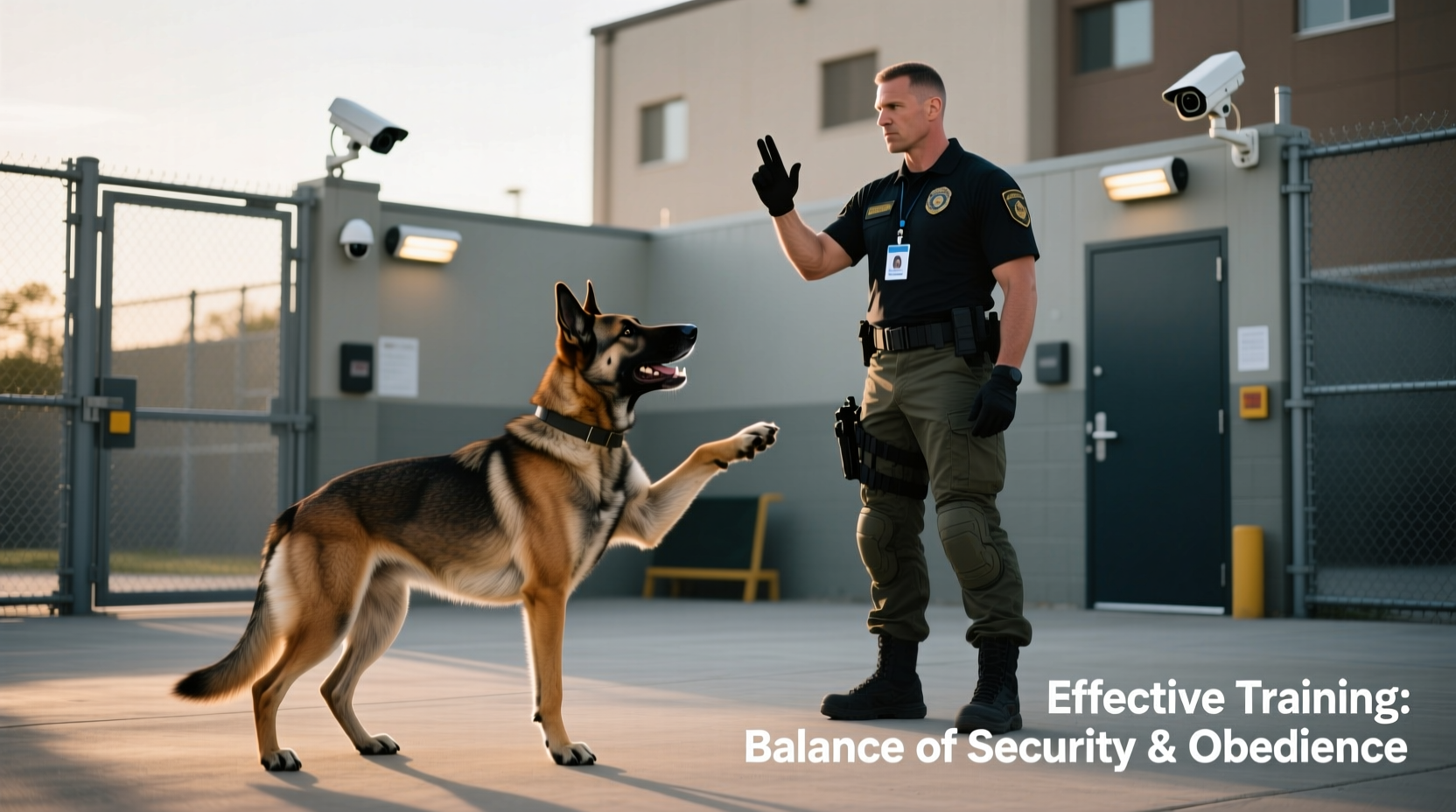
Dogs like German Shepherds, Rottweilers, Doberman Pinschers, and Belgian Malinois are naturally inclined toward protection due to genetics and temperament. These breeds possess heightened awareness, loyalty, and courage—qualities that make them excellent candidates for guard work. However, raw instinct alone is insufficient and can even be dangerous if not guided correctly.
The goal of training is not to suppress a dog’s natural alertness, but to refine it. A well-trained protective dog must distinguish between real threats and routine interactions. This requires structured exposure, consistent reinforcement, and early socialization. Without these, a dog may become overly reactive, posing risks to visitors, children, or other animals.
“Protection training isn’t about creating fear—it’s about cultivating controlled confidence.” — Captain Mark Reyes, K9 Unit Supervisor, Los Angeles Police Department
Core Principles of Balanced Protection Training
Effective training integrates three key components: obedience, socialization, and controlled aggression. Each plays a critical role in shaping a reliable working dog.
- Obedience: Commands like “sit,” “stay,” “come,” and “heel” form the foundation. A protective dog must respond instantly, even under stress.
- Socialization: Early and ongoing exposure to people, environments, and stimuli prevents fear-based reactivity.
- Controlled Aggression: Bite work and threat response should only occur on command and cease immediately when instructed.
Step-by-Step Guide to Structured Training
Training a protective dog is a phased process. Rushing stages leads to poor impulse control and unreliable behavior. Follow this timeline to build competence gradually.
- Phase 1: Basic Obedience (Weeks 1–8)
Focus on mastering foundational commands in low-distraction environments. Use positive reinforcement—treats, praise, play—to encourage compliance. - Phase 2: Socialization & Impulse Control (Weeks 9–16)
Expose your dog to diverse people, sounds, and settings. Practice “leave it” and “wait” commands to strengthen self-control. - Phase 3: Intermediate Obedience (Months 5–7)
Train off-leash in public spaces. Introduce distractions and increase duration of commands like “stay” and “down.” - Phase 4: Introduction to Protection Work (Months 8–10)
Begin controlled bite work using padded sleeves under professional supervision. Teach “attack” and “release” commands with precision. - Phase 5: Scenario-Based Drills (Month 11 onward)
Simulate real-life threats: intruder approaches, perimeter breach, etc. Ensure your dog disengages on command every time.
Do’s and Don’ts in Protection Training
| Do’s | Don’ts |
|---|---|
| Work with certified protection dog trainers | Attempt bite work without professional guidance |
| Use positive reinforcement for obedience | Rely on punishment or fear-based corrections |
| Practice regular de-escalation drills | Allow unsupervised interaction with strangers |
| Test commands in high-distraction areas | Encourage aggression toward non-threatening people |
| Maintain daily mental and physical exercise | Neglect your dog’s psychological well-being |
Real Example: From Reactive to Reliable
Diego, a two-year-old German Shepherd, was adopted by a family concerned about neighborhood break-ins. Initially, Diego barked aggressively at delivery personnel and lunged at passersby during walks. His owners sought help from a certified protection dog trainer who implemented a balanced program.
Over six months, Diego underwent structured obedience training, daily socialization walks, and controlled exposure to simulated threats. He learned to bark as an alert—but to stop on command. Bite work was introduced only after he mastered “hold” and “release” cues. Today, Diego patrols the property confidently but remains calm indoors and responds instantly to his handler. His transformation highlights how disciplined training turns instinct into intelligent action.
Essential Checklist for Owners of Protective Dogs
Use this checklist to ensure you’re building a responsible, well-balanced guardian.
- ✅ Enroll in a reputable protection dog training program with certified instructors
- ✅ Complete basic obedience before introducing any defensive behaviors
- ✅ Expose your dog to diverse people, animals, and environments from an early age
- ✅ Practice “stop,” “come,” and “release” commands daily under distraction
- ✅ Never reward unprovoked aggression or fear-based barking
- ✅ Schedule regular behavioral evaluations with a canine specialist
- ✅ Maintain a consistent routine of physical exercise and mental stimulation
Frequently Asked Questions
Can any dog be trained as a protective dog?
While many dogs can learn alert behaviors, true protection work requires specific temperaments. Breeds with strong guarding instincts, high trainability, and emotional stability are best suited. Dogs with anxiety or excessive shyness are poor candidates, as fear can trigger unpredictable aggression.
Is bite work necessary for a protective dog?
Bite work is essential for dogs trained in personal or property protection, but it must be carefully controlled. It teaches the dog to engage only on command and to release immediately. For families seeking a deterrent without advanced skills, focus on presence, barking alerts, and obedience instead.
How do I prevent my dog from becoming too aggressive?
Consistent obedience training, early socialization, and avoiding overstimulation are key. Never allow your dog to chase cyclists, bark incessantly at neighbors, or lunge on leash. If signs of reactivity appear, consult a professional before the behavior escalates.
Conclusion: Building Trust Through Discipline
A truly effective protective dog is not defined by aggression, but by control. The ability to stand firm in the face of danger—while remaining calm during daily life—is the hallmark of superior training. By prioritizing obedience, fostering social confidence, and applying structured progression, owners can develop a companion who enhances security without compromising safety.
Whether you're safeguarding a home, business, or public space, the principles remain the same: discipline enables protection. Start with fundamentals, seek expert guidance, and commit to lifelong reinforcement. Your dog has the potential to be both a vigilant guardian and a trusted family member—provided training honors both instinct and intelligence.




 浙公网安备
33010002000092号
浙公网安备
33010002000092号 浙B2-20120091-4
Comments
No comments yet. Why don't you start the discussion?