
In an age where communication is instant and mobile devices are ubiquitous, the ability to determine the location of a phone number can be valuable—for reuniting with lost contacts, verifying business calls, or ensuring personal safety. However, this capability comes with significant ethical and legal responsibilities. Misuse can lead to privacy violations, harassment, or even criminal liability. The key lies in using accurate, lawful, and transparent methods that respect both technology and human rights.
This guide explores practical, reliable ways to identify a phone number’s location without crossing legal boundaries. From carrier-based tools to government-approved services, each method is evaluated for accuracy, accessibility, and compliance with data protection laws such as GDPR and CCPA.
Understanding Phone Number Geolocation: How It Works
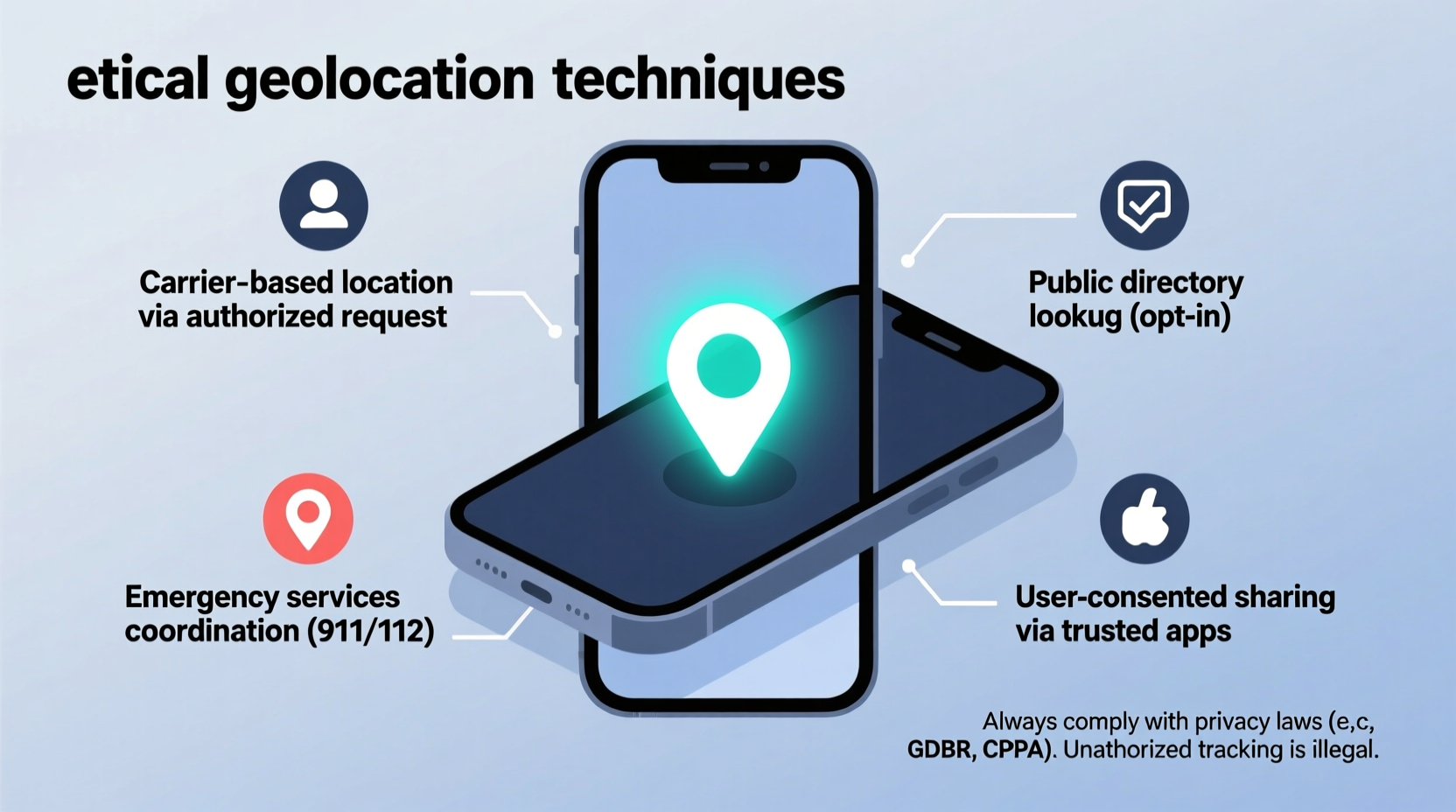
Phone number location tracking relies on several technical layers. Unlike GPS-enabled real-time tracking, geolocation based on a number typically uses metadata associated with the number’s registration and network usage. This includes:
- Area Code and Prefix Mapping: Each number contains a region-specific area code (NPA) and exchange (NXX), which correspond to geographic regions assigned by the North American Numbering Plan (NANP) or similar international systems.
- Carrier Registration Data: Mobile carriers register numbers to specific service areas. While not pinpoint-accurate, this provides city or county-level precision.
- IP Address Correlation (VoIP): For internet-based calls (e.g., VoIP services like Skype), the caller’s IP address may reveal approximate physical location through geolocation databases.
- Network Triangulation: Used by emergency services and law enforcement, this involves cell tower signals to estimate proximity—but it's not publicly accessible due to privacy restrictions.
It's important to note that these methods offer varying degrees of accuracy. A landline number is often tied to a fixed address, while a mobile number may only reflect the user’s home region, not their current whereabouts.
“Geolocation from a phone number alone cannot provide real-time tracking. What you get is usually the registered service area, not live coordinates.” — Dr. Alan Reyes, Telecommunications Privacy Researcher at Stanford University
Legal and Ethical Boundaries in Location Tracking
Before attempting to locate any phone number, it’s essential to understand the legal framework. In most countries, including the U.S. and EU member states, unauthorized tracking or surveillance violates privacy laws. The Electronic Communications Privacy Act (ECPA) and the General Data Protection Regulation (GDPR) strictly regulate access to personal communication data.
You may legally seek location information under the following conditions:
- You own the device or number in question.
- You have explicit consent from the individual being located.
- The purpose is related to safety (e.g., missing person, child protection).
- The request is made through official channels during emergencies.
Using spoofed identities, hacking tools, or third-party apps that claim “real-time GPS tracking” without consent is illegal and often fraudulent.
5 Effective and Legal Methods to Locate a Phone Number
1. Reverse Phone Lookup Services (Public Records)
Reputable reverse lookup platforms like Whitepages, Truecaller, or BeenVerified aggregate public directory data, user-submitted profiles, and carrier information. These services can identify the owner’s name, city, and sometimes address linked to a number.
While free versions offer limited insights, paid subscriptions improve accuracy and detail. Always verify the legitimacy of the service—look for clear privacy policies and opt-out options for individuals.
2. Carrier-Based Location Tools (With Consent)
Mobile carriers like Verizon, AT&T, and T-Mobile offer family locator services (e.g., Verizon Family Base, AT&T Secure Family). These require all parties to opt in and are designed for parental supervision or shared household tracking.
To use these:
- Enroll in the carrier’s location plan.
- Add the target device via account permissions.
- Access location through a secure app dashboard.
These tools are highly accurate and fully compliant with telecom regulations when used within policy guidelines.
3. Emergency Services and Law Enforcement Channels
If a number is involved in threats, scams, or a missing person case, contact local authorities. Police can work with carriers and the FCC to trace calls through lawful means. In the U.S., dial 911 or report non-emergency incidents to your regional dispatch center.
Emergency operators use Enhanced 911 (E911) systems to pinpoint mobile callers, even without GPS enabled. This system is restricted to certified personnel but underscores the importance of reporting suspicious activity responsibly.
4. VoIP and Email Integration Checks
Many scam or spam calls originate from VoIP services. If a number is linked to an email or online profile (e.g., through Google Voice, Skype, or messaging apps), cross-referencing digital footprints may yield location clues.
Search the number on social media platforms or use search engines with quotes: \"(555) 123-4567\". Publicly listed profiles often include location tags or time zone indicators.
5. Government and Regulatory Databases
The Federal Communications Commission (FCC) and similar agencies maintain public databases of number assignments. The FCC’s Numbering Resource Utilization/Forecasting (NRUF) reports show which blocks of numbers are allocated to carriers and regions.
While not user-friendly for casual lookup, researchers and businesses can use this data to correlate prefixes with geographic areas. Third-party tools often draw from these datasets to power their location engines.
Comparison Table: Legitimate Location Methods
| Method | Accuracy | Speed | Legal Requirement | Best Use Case |
|---|---|---|---|---|
| Reverse Phone Lookup | Moderate (city level) | Instant | Public data only | Identifying unknown callers |
| Carrier Family Locator | High (GPS-level) | Near real-time | Consent required | Parental monitoring |
| Law Enforcement Trace | Very High | Hours to days | Probable cause + warrant | Criminal investigations |
| VoIP/IP Correlation | Low to Moderate | Instant | No consent needed if public | Scam call analysis |
| FCC/NANP Databases | Low (area level) | Delayed | Open access | Research and verification |
Mini Case Study: Locating a Missing Relative Safely
Sarah received a call from her brother’s number late one night, but the voice sounded slurred and distressed before the line cut off. Concerned, she didn’t immediately assume danger—she knew scammers sometimes spoof numbers. Instead of panicking, she followed a structured approach.
First, she used a reverse lookup to confirm the number was still registered under his name. Then, she contacted him directly via text. When he didn’t respond, she called his roommates using contact info from his social media. They confirmed he was safe but had left his phone behind after a night out.
Had the situation escalated, Sarah was prepared to contact campus security and provide the number for professional assistance. Her calm, step-by-step response avoided false alarms and respected privacy boundaries.
Step-by-Step Guide: How to Investigate a Suspicious Number Responsibly
- Document the Call: Note time, date, and content. Save voicemails or screenshots if available.
- Run a Reverse Lookup: Use a trusted service to check for associated names or locations.
- Search Online: Enter the number into Google and social platforms to find linked accounts.
- Contact the Person Directly (If Known): Verify authenticity through another channel.
- Report If Threatening: File a report with the FTC (ftc.gov/complaint) or local police if fraud or harassment is suspected.
- Avoid Retaliation: Do not call back aggressively or attempt unauthorized tracking.
FAQ
Can I find someone’s exact location from their phone number?
No, not legally or reliably without their consent. Real-time GPS tracking requires access to the device itself through apps like Find My iPhone or Google’s Find My Device, which demand login credentials and permission.
Are free phone location trackers trustworthy?
Most free tools claiming to offer precise GPS locations are scams or malware distributors. Stick to well-known, transparent services that explain their data sources and comply with privacy laws.
What should I do if I receive threatening calls?
Do not engage. Document the number and call details, then report it to your phone carrier and the appropriate authorities. In the U.S., file a report at ftc.gov/complaint or contact local law enforcement.
Checklist: Responsible Phone Number Investigation
- ☐ Confirm the need for location inquiry (safety, identity verification)
- ☐ Use only legal, consent-compliant methods
- ☐ Avoid unverified third-party tracking apps
- ☐ Document all steps taken
- ☐ Report illegal activity to proper authorities
- ☐ Respect privacy and disengage if no threat exists
Conclusion
Finding a phone number’s location doesn’t require invasive or illicit tactics. With the right tools and a commitment to legality, you can gather useful information while upholding ethical standards. Whether you're protecting your family, investigating a scam, or reconnecting with someone long lost, responsible practices ensure safety for everyone involved.




 浙公网安备
33010002000092号
浙公网安备
33010002000092号 浙B2-20120091-4
Comments
No comments yet. Why don't you start the discussion?