
Plush keychains are more than just accessories—they’re sentimental keepsakes, fashion statements, or beloved character representations that accompany keys daily. However, constant handling, exposure to dust, and contact with pockets or bags can leave them looking dull, stained, or even slightly musty over time. Cleaning them improperly—especially with harsh chemicals or aggressive washing—can lead to fraying, color bleeding, stuffing clumping, or attachment damage. The challenge lies in removing grime while preserving the soft texture and structural integrity of the plush. This guide provides tested, gentle cleaning strategies tailored specifically for small plush keychains, ensuring they stay fresh, hygienic, and intact for years.
Why Regular Cleaning Matters
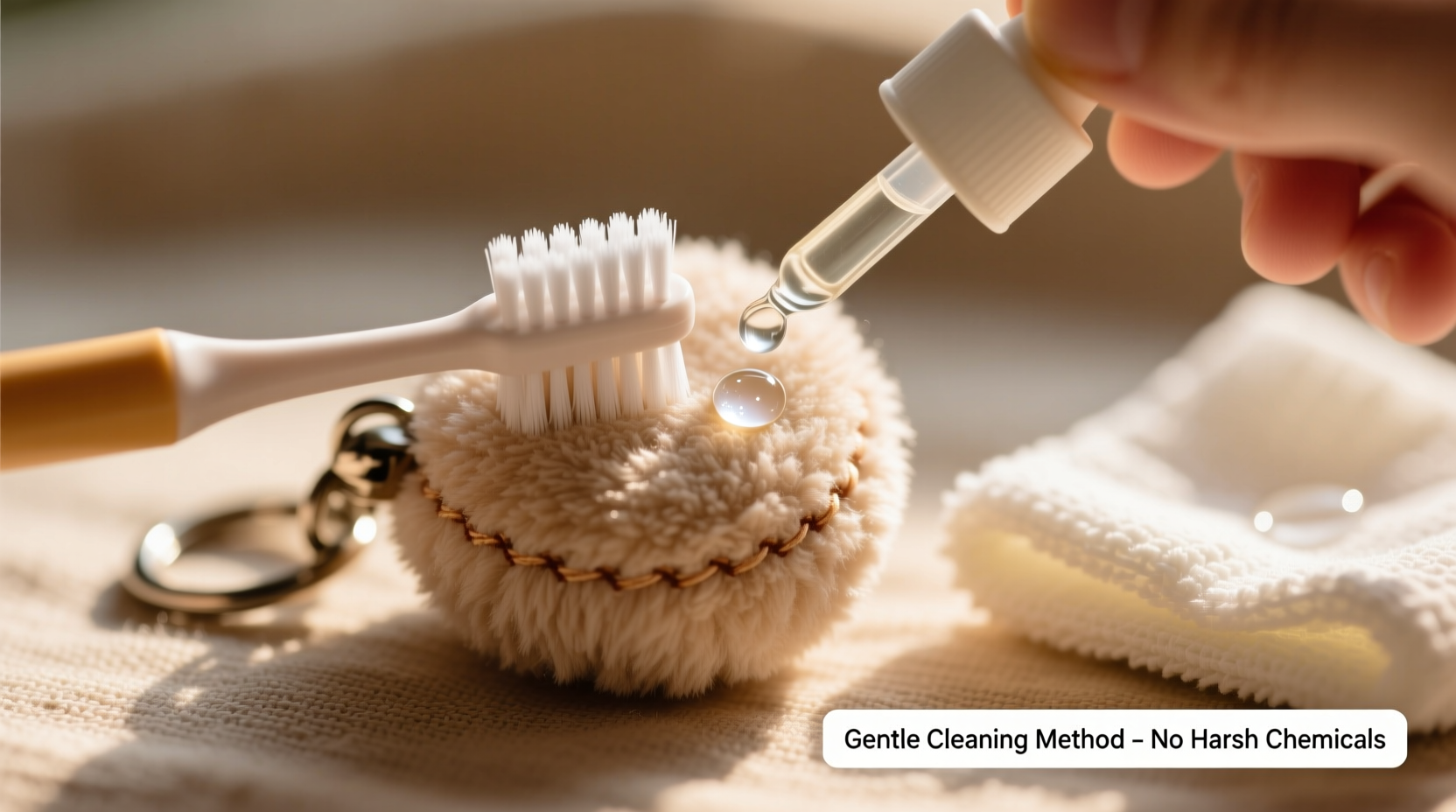
Despite their size, plush keychains accumulate bacteria, oils from skin, lint, and environmental pollutants. A study by the University of Arizona found that personal items like keychains can carry more germs per square inch than a toilet seat. Beyond hygiene, dirt buildup can degrade fabric fibers over time, leading to premature wear. Regular maintenance not only improves appearance but also extends the life of delicate materials such as polyester fleece, cotton velour, or acrylic yarns commonly used in these toys.
Step-by-Step Guide: Safe Hand Cleaning Method
The most reliable way to clean a small plush keychain is by hand using mild detergent and minimal agitation. This method preserves stitching, prevents metal attachments from corroding, and avoids waterlogging the stuffing.
- Remove from keyring: Carefully detach the plush from any metal rings or chains if possible. If permanently attached, wrap the metal part in plastic wrap to keep it dry.
- Spot test: Dampen an inconspicuous area (like the back or underside) with soapy water. Wait 5 minutes to check for colorfastness.
- Prepare cleaning solution: Mix one teaspoon of mild liquid detergent (such as Woolite or baby shampoo) with one cup of lukewarm water.
- Clean gently: Dip a soft cloth or cotton swab into the solution, wring thoroughly, and dab at soiled areas. Use circular motions for stains but avoid vigorous rubbing.
- Rinse lightly: Use another damp cloth with clean water to remove soap residue. Do not soak the plush.
- Dry properly: Blot excess moisture with a clean towel. Reshape the plush and air-dry flat away from direct sunlight or heat sources. Allow 12–24 hours to fully dry.
“Hand cleaning with minimal moisture is essential for plush items under 3 inches. Their stuffing can’t handle full immersion.” — Lena Park, Textile Preservation Specialist
When and How to Use Machine Washing (With Caution)
Machine washing should only be considered if the care label explicitly permits it—and even then, only under strict conditions. Most plush keychains are too small and fragile for standard cycles. However, if you choose this route:
- Place the keychain inside a zippered mesh laundry bag for protection.
- Use the delicates cycle with cold water and low spin.
- Add only a small amount of gentle detergent.
- Avoid washing with heavy garments that could crush or tangle the item.
After washing, reshape immediately and allow thorough air drying. Never use a dryer, as heat can melt synthetic fibers or shrink stuffing.
Do’s and Don’ts: Best Practices Summary
| Do’s | Don’ts |
|---|---|
| Use mild, pH-neutral detergents | Use bleach or strong solvents |
| Test cleaning solution on hidden area first | Soak the entire plush unless labeled washable |
| Dry flat in a well-ventilated space | Expose to direct sunlight or heaters |
| Brush fur gently with a soft toothbrush after drying | Wring or twist the plush to remove water |
| Clean every few weeks with light wiping | Ignore mold or persistent odors—address them early |
Dealing with Stains and Odors
Accidents happen—whether it’s a coffee splash, makeup transfer, or lingering odor from being kept in a pocket. For surface stains, a cotton swab dipped in diluted dish soap works well. For oily marks, sprinkle a pinch of cornstarch or baking soda, let sit for 15 minutes, then brush off. To eliminate odors, place the dry plush in a sealed container with activated charcoal or unscented kitty litter overnight. Avoid perfumed sprays, which can irritate sensitive fabrics.
Mini Case Study: Reviving a Vintage Anime Keychain
Sophie, a collector from Portland, owned a limited-edition plush keychain from a 2018 convention. After two years of daily use, it had darkened around the edges and developed a faint sour smell. She avoided washing it, fearing damage. Instead, she followed the spot-cleaning method: wrapped the metal loop in plastic, used baby shampoo on a microfiber cloth, and gently wiped each side. After air-drying for 18 hours, she brushed the fur lightly with a pet grooming comb. The result? The keychain regained its original softness and brightness, with no sign of wear or discoloration. “I was ready to retire it,” she said, “but now it looks almost new.”
Preventive Maintenance Checklist
- ✅ Wipe down monthly with a dry microfiber cloth
- ✅ Store in a breathable pouch when not in use
- ✅ Keep away from pets and young children who may chew or pull
- ✅ Rotate between multiple keychains to reduce wear
- ✅ Address stains within 48 hours to prevent setting
- ✅ Inspect stitching and attachments quarterly for loose threads
Frequently Asked Questions
Can I use alcohol wipes to disinfect my plush keychain?
No. Alcohol-based wipes can strip dyes, dry out fibers, and weaken adhesives used in glued seams or decorative elements. Stick to water-based spot cleaning with mild soap instead.
What if my plush keychain gets wet in the rain?
If exposed to moisture, remove it promptly and blot with a dry towel. Let it air-dry completely before reuse. Prolonged dampness can cause mildew or musty smells, particularly in densely stuffed areas.
Is it safe to freeze a plush keychain to kill bacteria?
Freezing may reduce some microbes but won’t eliminate all pathogens or remove dirt. It also risks condensation damage upon thawing. Proper surface cleaning remains the safer, more effective choice.
Conclusion: Preserve Sentiment with Smart Care
A plush keychain often carries emotional value far beyond its size. Whether it’s a gift from a loved one, a souvenir from a memorable trip, or a tiny companion through daily routines, keeping it clean doesn’t mean sacrificing its charm. With careful hand cleaning, preventive habits, and attention to material sensitivity, you can maintain both hygiene and appearance without risk. The key is consistency, gentleness, and knowing when to intervene before minor soiling becomes irreversible damage.




 浙公网安备
33010002000092号
浙公网安备
33010002000092号 浙B2-20120091-4
Comments
No comments yet. Why don't you start the discussion?