
Cationic fabric lunch insulation bags have gained popularity due to their excellent thermal retention, antimicrobial properties, and sleek design. Unlike traditional insulated bags, those made with cationic-treated fabrics resist odor-causing bacteria and mildew, making them ideal for daily use. However, even the most advanced materials require proper care to maintain performance and appearance. Without consistent cleaning and mindful maintenance, these bags can degrade prematurely or harbor lingering smells despite their built-in protective features. Understanding how to clean and preserve your bag ensures it remains hygienic, functional, and visually appealing for years.
Understanding Cationic Fabric and Its Benefits
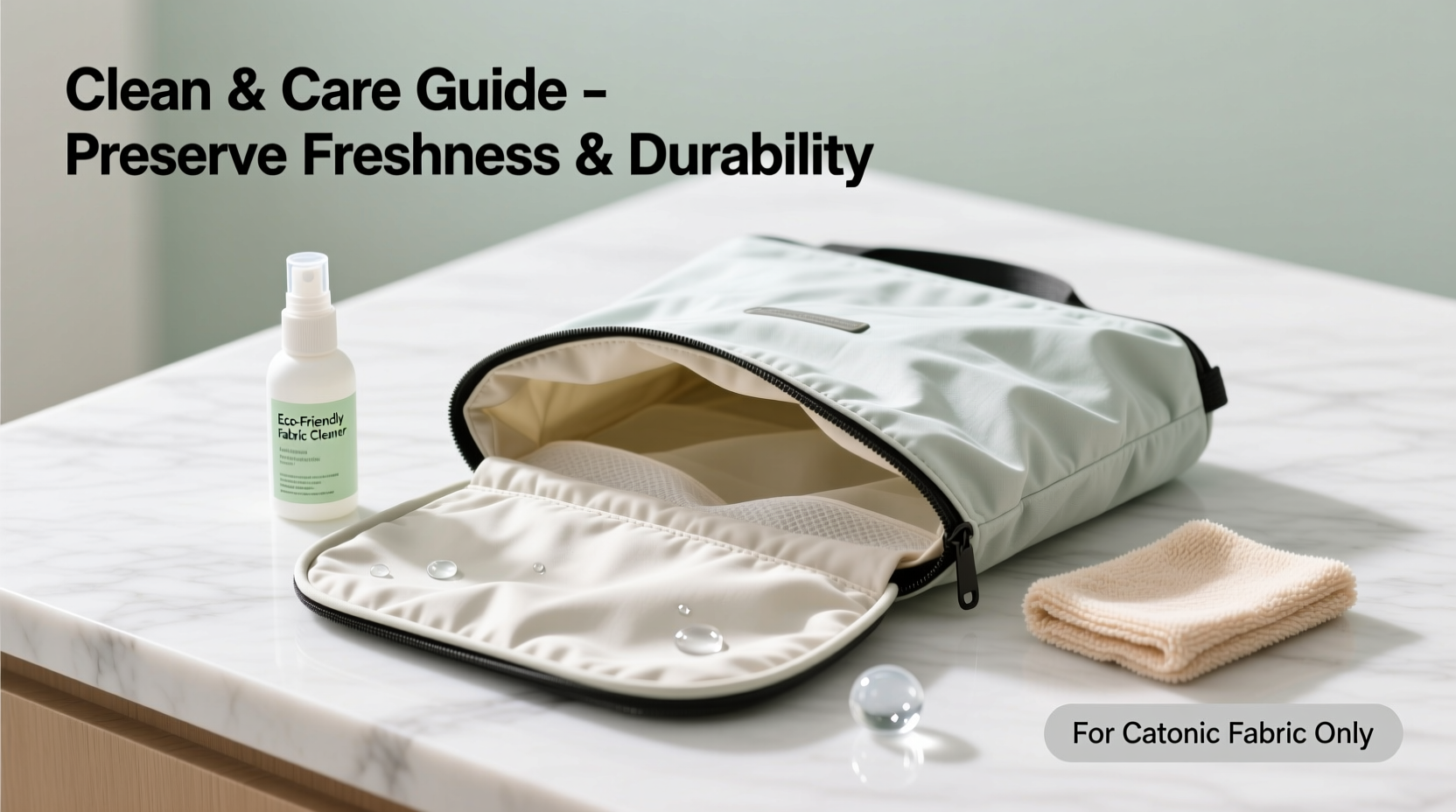
Cationic fabric refers to textiles treated with positively charged ions that bond at the molecular level with fibers. This treatment enhances the material’s ability to repel microbes, resist odors, and maintain structural integrity under repeated use. Most cationic lunch bags combine this fabric with a waterproof inner lining—often TPU or PEVA—to create a dual defense against spills and bacterial growth.
The key advantages include:
- Natural resistance to mold and mildew
- Reduced need for harsh disinfectants
- Durability through frequent washing
- Improved freshness between uses
Despite these benefits, cationic fabric is not self-cleaning. Food residue, moisture, and external contaminants can still compromise its performance if ignored. Regular maintenance preserves both the coating and the physical structure of the bag.
“Cationic treatments are highly effective but not permanent. Proper cleaning extends the life of the ionic bond and maintains antimicrobial protection.” — Dr. Lena Patel, Textile Scientist at Advanced Materials Lab
Step-by-Step Guide: How to Clean Your Cationic Lunch Bag
A structured cleaning routine prevents buildup and protects the fabric’s special properties. Follow this timeline for optimal results:
- Empty and Inspect (Daily): After each use, remove all contents and check for spills, crumbs, or stains. Shake out debris and wipe visible messes immediately.
- Surface Wipe (Every 2–3 Days): Use a microfiber cloth dampened with a solution of 1 part white vinegar to 3 parts water. Gently wipe interior and exterior surfaces. Avoid abrasive scrubbing.
- Deep Clean (Monthly): Remove detachable inserts or ice packs. Hand wash the bag using cold water and a pH-neutral detergent. Submerge and gently agitate for 2–3 minutes. Rinse thoroughly with clean water.
- Drying Process (Post-Clean): Hang the bag upside down in a well-ventilated area away from direct sunlight. Ensure both interior and exterior are fully dry before storing—this usually takes 6–8 hours.
- Odor Check & Refresh (Biweekly): Sprinkle a small amount of baking soda inside the bag, let sit for 20 minutes, then shake out. This neutralizes residual smells without damaging the cationic layer.
Do’s and Don’ts: Best Practices for Long-Term Care
| Action | Do | Don’t |
|---|---|---|
| Cleaning Solution | pH-neutral soap, diluted vinegar, or specialized fabric wipes | Bleach, ammonia, or alcohol-based cleaners |
| Drying Method | Air dry in shaded, ventilated space | Use hairdryers, radiators, or direct sun exposure |
| Storage | Stored open and empty in a cool, dry closet | Left closed with food remnants or stored in humid areas |
| Stain Removal | Gentle blotting with a soft cloth and mild soapy water | Vigorous rubbing or using steel wool pads |
Real-Life Example: Office Worker’s Bag Revival
Sarah, a project manager in Seattle, used her cationic lunch bag five days a week for nearly nine months. Initially, it stayed fresh with minimal effort. But after skipping regular wipes during a busy quarter, she noticed a faint sour smell and discoloration near the zipper. She followed the monthly deep-cleaning protocol, including a vinegar rinse and baking soda refresh. Within two days, the odor disappeared, and the fabric regained its original texture. By resuming biweekly maintenance, she extended the bag’s usable life by over a year—proving that even high-performance materials benefit from disciplined care.
Maintenance Checklist for Peak Performance
To keep your bag in top condition, follow this actionable checklist:
- ✅ Empty bag and inspect for spills after every use
- ✅ Wipe interior with vinegar-water solution twice weekly
- ✅ Perform full hand wash once per month
- ✅ Air dry completely before next use or storage
- ✅ Deodorize with baking soda every two weeks
- ✅ Store in upright position with opening unzipped
- ✅ Inspect stitching and seams quarterly for wear
- ✅ Replace if inner lining shows cracks or delamination
Frequently Asked Questions
Can I put my cationic fabric lunch bag in the dishwasher?
No. Dishwashers expose the fabric to high heat, strong detergents, and mechanical stress that can break down the cationic treatment and damage insulation. Always hand clean using gentle methods.
How do I know if the cationic coating is wearing off?
If your bag starts retaining odors more quickly, feels less smooth, or shows increased staining despite regular cleaning, the ionic treatment may be degrading. Some manufacturers offer re-treatment sprays designed to restore antimicrobial properties.
Is it safe to store the bag with an ice pack inside?
Only if the ice pack is sealed and leak-proof. Condensation or leakage introduces moisture that can encourage microbial growth behind the lining, even in cationic fabrics. Always remove ice packs after use and dry any damp surfaces.
Conclusion: Make Maintenance a Seamless Habit
Your cationic fabric lunch insulation bag is an investment in convenience, sustainability, and health. Its advanced materials reduce the burden of constant sanitizing, but they don’t eliminate the need for thoughtful upkeep. By integrating simple cleaning steps into your routine and avoiding common pitfalls like improper drying or chemical misuse, you protect both functionality and longevity. A well-maintained bag stays fresher, performs better, and supports eco-conscious habits by reducing single-use packaging reliance.




 浙公网安备
33010002000092号
浙公网安备
33010002000092号 浙B2-20120091-4
Comments
No comments yet. Why don't you start the discussion?