
Niche design armpit bags—compact, stylish, and often statement-making—are increasingly popular among fashion-forward individuals. Crafted with precision and unique materials, these bags are more than accessories; they're investments in personal style. However, their small size and frequent use expose them to sweat, oils, dirt, and environmental wear. Without proper care, even the most premium designs can deteriorate quickly. Preserving your armpit bag isn’t just about aesthetics—it’s about protecting functionality, material integrity, and longevity. The good news is that with consistent, thoughtful maintenance, you can keep your bag looking new and performing well for years.
Understand Your Bag’s Material Composition
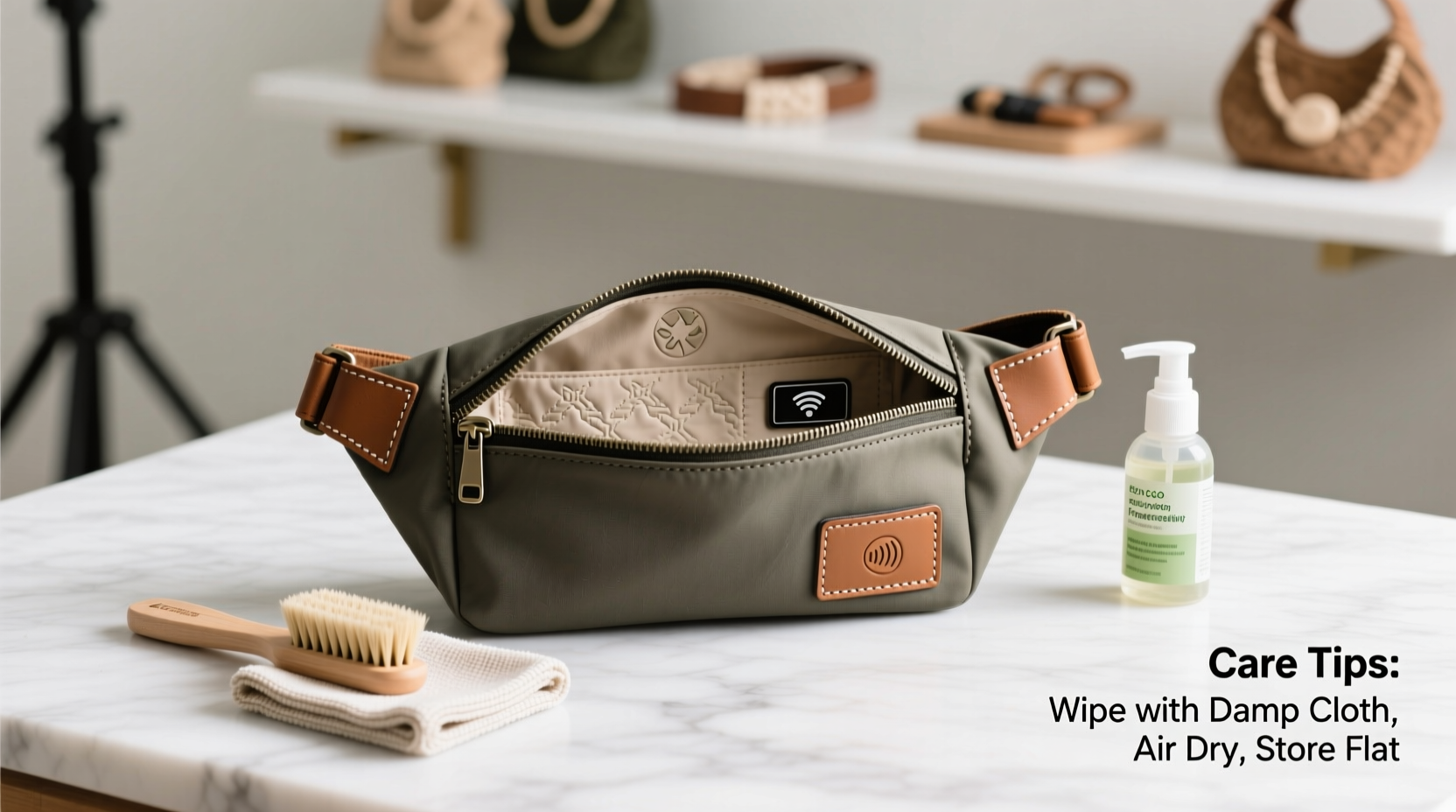
Before cleaning or storing your armpit bag, identify the primary materials used in its construction. Most high-end niche designs use one or a combination of leather, vegan leather, technical fabrics (like nylon or polyester blends), or specialty textiles such as Cordura or neoprene. Each material responds differently to moisture, friction, and cleaning agents.
Leather requires conditioning and protection from humidity. Vegan leather can crack if over-cleaned with alcohol-based products. Technical fabrics may tolerate mild detergent washes but can lose water resistance if improperly treated. Always check manufacturer labels or product documentation. When in doubt, assume the material is sensitive and test any cleaning method on an inconspicuous area first.
Step-by-Step Cleaning Process by Material Type
Cleaning should be approached systematically. A rushed or incorrect method can cause irreversible damage. Follow this timeline-based guide tailored to common materials found in niche armpit bags.
- Dry Brushing (Weekly): Use a soft-bristle brush or microfiber cloth to remove surface dust and debris. This prevents buildup in seams and zippers.
- Spot Cleaning (Biweekly): Address visible stains or sweat marks using a damp cloth and pH-neutral cleaner suitable for the material.
- Deep Cleaning (Every 3–4 Months): Perform a thorough cleanse based on material type, detailed below.
- Conditioning (For Leather/Vegan Leather, Every 2 Months): Restore suppleness and prevent cracking.
- Drying (After Any Moisture Exposure): Air dry at room temperature—never use direct heat or sunlight.
Leather Armpit Bags
Use a leather-specific wipe or a cloth dampened with distilled water and a drop of leather cleaner. Wipe gently in circular motions. After cleaning, apply a thin layer of leather conditioner to maintain flexibility. Avoid soaking the material.
Vegan Leather & Synthetic Fabrics
Mix lukewarm water with a few drops of mild dish soap. Dampen a microfiber cloth—never saturate—and wipe down surfaces. Rinse the cloth frequently. Dry immediately with a second clean cloth. Do not use alcohol, acetone, or abrasive cleaners.
Technical or Water-Resistant Fabrics
These can usually handle slightly more rigorous cleaning. Use a soft sponge with diluted fabric shampoo. For odor removal, lightly mist the interior with a solution of water and a teaspoon of baking soda. Never machine wash unless explicitly approved by the manufacturer.
“Many customers ruin their bags by over-cleaning. Less is more—especially with delicate synthetics and bonded leathers.” — Lena Torres, Luxury Accessory Restorer, 12 years in textile preservation
Preservation Techniques for Long-Term Use
Cleaning alone isn’t enough. Preservation ensures structural integrity and aesthetic consistency over time. Consider these foundational practices:
- Rotate Usage: Avoid wearing the same armpit bag daily. Rotation reduces stress on straps, zippers, and seams.
- Empty Regularly: Remove contents nightly to prevent deformation and strain on the base.
- Protect from Sweat and Oils: Since armpit bags rest against the body, they absorb skin oils and perspiration. Place a removable liner or breathable cloth barrier between the bag and your skin.
- Reinforce High-Stress Areas: If stitching near the strap attachment shows fraying, have it professionally reinforced before it fails.
Do’s and Don’ts: Material-Specific Care Table
| Material | Do’s | Don’ts |
|---|---|---|
| Full-Grain Leather | Use pH-balanced leather cleaner; condition monthly; store in breathable dust bag | Avoid water immersion; don’t store in plastic; never use silicone-based polishes |
| Vegan Leather (PU/PVC) | Wipe with damp microfiber cloth; air dry flat; use synthetic conditioner | No alcohol wipes; avoid direct sunlight; do not fold when stored |
| Technical Nylon/Polycotton | Spot clean with mild soap; use fabric guard spray; store unfolded | Never bleach; avoid iron contact; don’t machine dry |
| Wool or Specialty Textiles | Brush gently; air out weekly; use specialized wool-safe cleaner | No water exposure; don’t press or crush; avoid moth-prone areas |
Real-Life Example: Preserving a Limited-Edition Designer Armpit Bag
Jamal, a streetwear collector in Berlin, owns a limited-run armpit bag made from hybrid waxed canvas and recycled rubber trim. After six months of daily use, he noticed discoloration along the shoulder strap and stiffness in the zipper. Instead of discarding it, he followed a targeted restoration plan: first, he cleaned the canvas with a soft toothbrush and a mix of cold water and castile soap. He conditioned the rubber elements with a silicone-free protectant. Then, he applied a waterproofing spray designed for technical fabrics. Finally, he began rotating the bag with two others in his collection. Over the next year, the bag retained its shape and color, and Jamal extended its usable life far beyond typical expectations for urban-wear accessories.
Essential Maintenance Checklist
Stay proactive with this monthly care checklist:
- ✅ Inspect stitching and strap attachments for wear
- ✅ Wipe down exterior and interior surfaces
- ✅ Clean or replace removable linings
- ✅ Check zippers and closures for smooth operation
- ✅ Reapply protective spray (if applicable)
- ✅ Condition leather or synthetic surfaces
- ✅ Store properly after inspection
Frequently Asked Questions
How often should I deep clean my armpit bag?
Deep clean every three to four months, depending on usage. If worn daily in humid or active environments, consider cleaning every eight weeks. Frequent spot cleaning reduces the need for aggressive deep cleans.
Can I use household items like vinegar or baking soda?
Vinegar is too acidic for most bag materials and can degrade finishes. Baking soda is safe for odor absorption—place a small open container inside the bag overnight—but avoid direct application on surfaces unless diluted and tested first.
Is it safe to store my bag in its original box?
Only if the box is made of breathable materials and stored in a climate-controlled space. Cardboard boxes can trap moisture. Ideally, keep the bag in a cotton dust bag inside a closet shelf, away from direct light and heat sources.
Final Thoughts: Make Care a Seamless Habit
Your niche design armpit bag reflects your taste, effort, and individuality. Treating it with care isn’t vanity—it’s respect for craftsmanship and sustainability. Simple habits like wiping it down weekly, storing it correctly, and rotating usage compound into significant longevity. You don’t need professional tools or hours of effort. Just consistency and attention to detail. By integrating these methods into your routine, you ensure that your favorite piece remains functional, fashionable, and faithful to its design intent for years to come.




 浙公网安备
33010002000092号
浙公网安备
33010002000092号 浙B2-20120091-4
Comments
No comments yet. Why don't you start the discussion?