
Sequin keychain pendants have become a popular accessory for adding flair to keys, bags, and even phone straps. Their shimmering surfaces catch light beautifully and reflect personal style with every flip. However, their intricate design—especially the tiny, closely sewn sequins—makes them vulnerable to dirt, oils, and wear. Without proper care, sequins can tarnish, loosen, or detach entirely. Cleaning and preserving these accessories requires precision and gentleness. This guide provides actionable, tested techniques to maintain the brilliance of your sequin keychain while avoiding irreversible damage.
Understanding the Structure of a Sequin Keychain
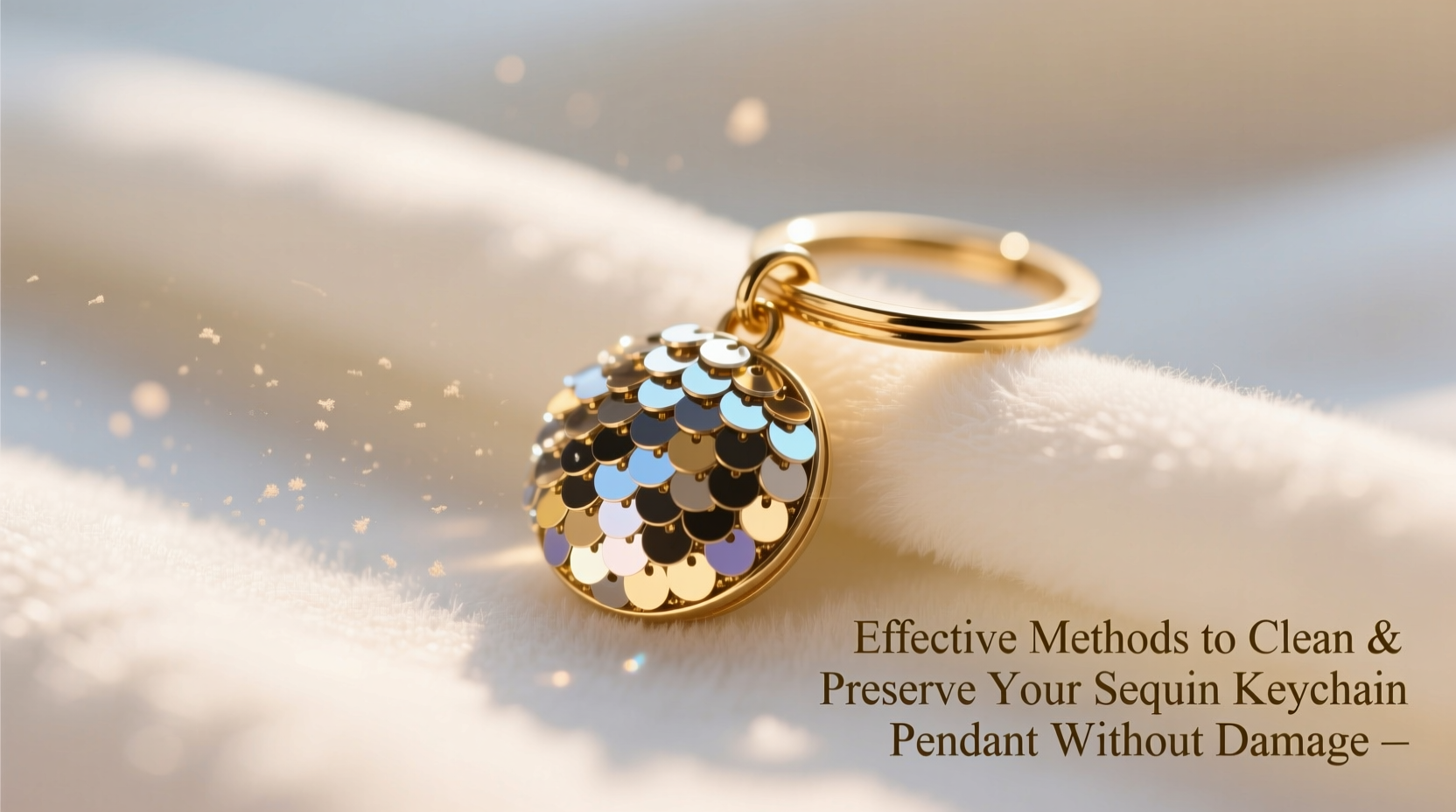
Before cleaning, it's essential to understand what you're working with. Most sequin keychains consist of small plastic or metallic discs (sequins) stitched or glued onto a fabric or synthetic backing. The attachment method determines how resilient the piece is during cleaning. Some are hand-sewn with tight threadwork; others use adhesive bonding, which may weaken when exposed to moisture or friction.
The chain or ring component is typically made of metal—often stainless steel, zinc alloy, or nickel-plated brass. These metals can oxidize if exposed to moisture or chemicals over time. Meanwhile, the sequins themselves can accumulate skin oils, dust, and environmental grime, leading to dullness.
Cleaning must address both surface-level dirt and structural integrity without compromising either the aesthetic or mechanical durability of the item.
“Many people assume sequins are indestructible because they’re plastic, but improper cleaning can cause micro-cracking, discoloration, and thread breakage.” — Lila Monroe, Textile Preservation Specialist
Step-by-Step Guide: How to Safely Clean Your Sequin Keychain
Follow this detailed process to deep-clean your sequin keychain without risking damage. This method prioritizes minimal water exposure and gentle agitation.
- Remove from Keys or Bag: Detach the keychain from any larger items to avoid contaminating other surfaces and allow full access to all sides.
- Dry Dusting: Use a soft-bristled makeup brush or clean toothbrush to gently sweep away loose dust and debris. Brush in the direction the sequins lie to prevent lifting edges.
- Spot Test First: Dampen a cotton swab with distilled water and lightly touch an inconspicuous area. Wait 5 minutes. If no color bleeds or material warps, proceed.
- Prepare Cleaning Solution: Mix one drop of mild dish soap (like Dawn) with ¼ cup of distilled water. Avoid detergents with bleach, alcohol, or degreasers.
- Targeted Wiping: Dip a corner of a microfiber cloth into the solution, wring thoroughly until almost dry, and gently wipe each sequin row. Do not scrub.
- Tackle Stains: For stubborn marks, use a cotton swab dipped in the solution, applying light pressure only on the affected spot.
- Dry Immediately: Pat dry with a clean, absorbent microfiber towel. Let air-dry completely (1–2 hours) away from direct sunlight or heat sources.
- Inspect Stitching: Once dry, examine threads between sequins. Reinforce any loose stitching with clear nail polish applied minimally with a pin tip.
Preservation Techniques to Extend Lifespan
Cleaning is just one part of maintenance. Long-term preservation prevents degradation before it starts.
- Avoid Skin Contact When Possible: Oils from hands accelerate tarnishing, especially on metallic sequins. Consider using the keychain decoratively rather than functionally.
- Store Separately: Keep in a small fabric pouch or ziplock bag with a silica gel packet to control humidity.
- Limit Sun Exposure: UV rays fade colored sequins and degrade adhesives. Don’t leave in cars or near windows.
- Rotate Usage: If you own multiple keychains, alternate them weekly to reduce wear on a single piece.
| Action | Benefit | Risk if Ignored |
|---|---|---|
| Wipe monthly with dry microfiber | Prevents buildup of oils and dust | Dull appearance, harder future cleaning |
| Use distilled water only | Minimizes mineral deposits | White residue on sequins |
| Store flat, not bent | Maintains shape and tension | Cracked backing or popped sequins |
| Avoid perfume/hand sanitizer contact | Protects against chemical corrosion | Frosted or etched sequin surfaces |
Real Example: Recovering a Neglected Sequin Pendant
Sophie, a college student in Portland, received a rainbow sequin keychain as a gift. She used it daily on her backpack for three months without cleaning. Over time, the once-vibrant colors dulled, and two sequins came loose after snagging on a zipper.
She followed the dry brushing and spot-cleaning method outlined above. After careful wiping with a soap-dampened microfiber corner and complete drying, the pendant regained most of its luster. She reinforced the loose areas with a tiny dot of clear nail polish and now stores it in a padded jewelry box when not in use. Six weeks later, it remains intact and bright—proof that timely intervention can reverse early wear.
Do’s and Don’ts at a Glance
“Prevention beats restoration every time with delicate accessories.” — Raj Patel, Accessory Conservation Consultant
| Do’s | Don’ts |
|---|---|
| Use a soft brush for dry cleaning | Never machine wash or soak |
| Clean every 4–6 weeks with light wiping | Avoid alcohol-based cleaners |
| Store in a breathable pouch | Don’t press or fold the sequined surface |
| Inspect threads monthly | Don’t use abrasive cloths like paper towels |
FAQ: Common Questions About Sequin Keychain Care
Can I use baby wipes to clean my sequin keychain?
No. Most baby wipes contain alcohol, fragrance, and preservatives that can strip coatings from metallic sequins and weaken adhesive bonds. They also leave behind a sticky residue that attracts more dirt.
What should I do if a sequin falls off?
If a sequin detaches, don’t discard it. Use a fine-tipped applicator to place a tiny drop of fabric glue (such as E6000 or Aleene’s) on the back of the sequin, then press it back into position. Hold for 30 seconds and let cure for 24 hours before handling.
Are all sequins equally durable?
No. Plastic sequins are generally more flexible and resistant to cracking, while metal-coated ones offer higher shine but are prone to scratching and oxidation. Iridescent or holographic finishes tend to wear faster due to thin surface layers.
Essential Care Checklist
Keep this checklist handy for routine maintenance:
- ☐ Perform dry brushing monthly
- ☐ Inspect for loose sequins or threads
- ☐ Wipe with damp microfiber every 4–6 weeks
- ☐ Confirm storage is dry and dark
- ☐ Reinforce weak spots with clear nail polish or fabric glue
- ☐ Rotate keychains if owning multiple
Final Thoughts: Small Habits, Lasting Shine
A sequin keychain isn’t just a functional tool—it’s a statement. With minimal effort, you can keep it looking vibrant and secure for years. The key lies in consistency: regular dusting, cautious cleaning, and mindful storage. Damage often occurs not from one major mistake, but from repeated small oversights—wiping with a rough towel, leaving it in a humid bathroom, or ignoring a loose thread until it unravels.
By integrating these simple practices into your routine, you protect both the visual appeal and structural integrity of your accessory. Whether it’s a sentimental gift or a bold fashion choice, your sequin keychain deserves thoughtful care.




 浙公网安备
33010002000092号
浙公网安备
33010002000092号 浙B2-20120091-4
Comments
No comments yet. Why don't you start the discussion?