
Plush bag pendants—those soft, decorative charms often made from synthetic fibers, felt, or fabric-covered foam—are more than just accessories. They express personality, elevate style, and often hold sentimental value. However, their delicate composition makes them vulnerable to dirt, odors, and wear. Cleaning them improperly can lead to fraying, fading, or misshaping. The key lies in using gentle, targeted methods that preserve both appearance and structure. This guide delivers practical, damage-free strategies to keep your plush pendant looking vibrant and fresh.
Understanding Plush Pendant Materials
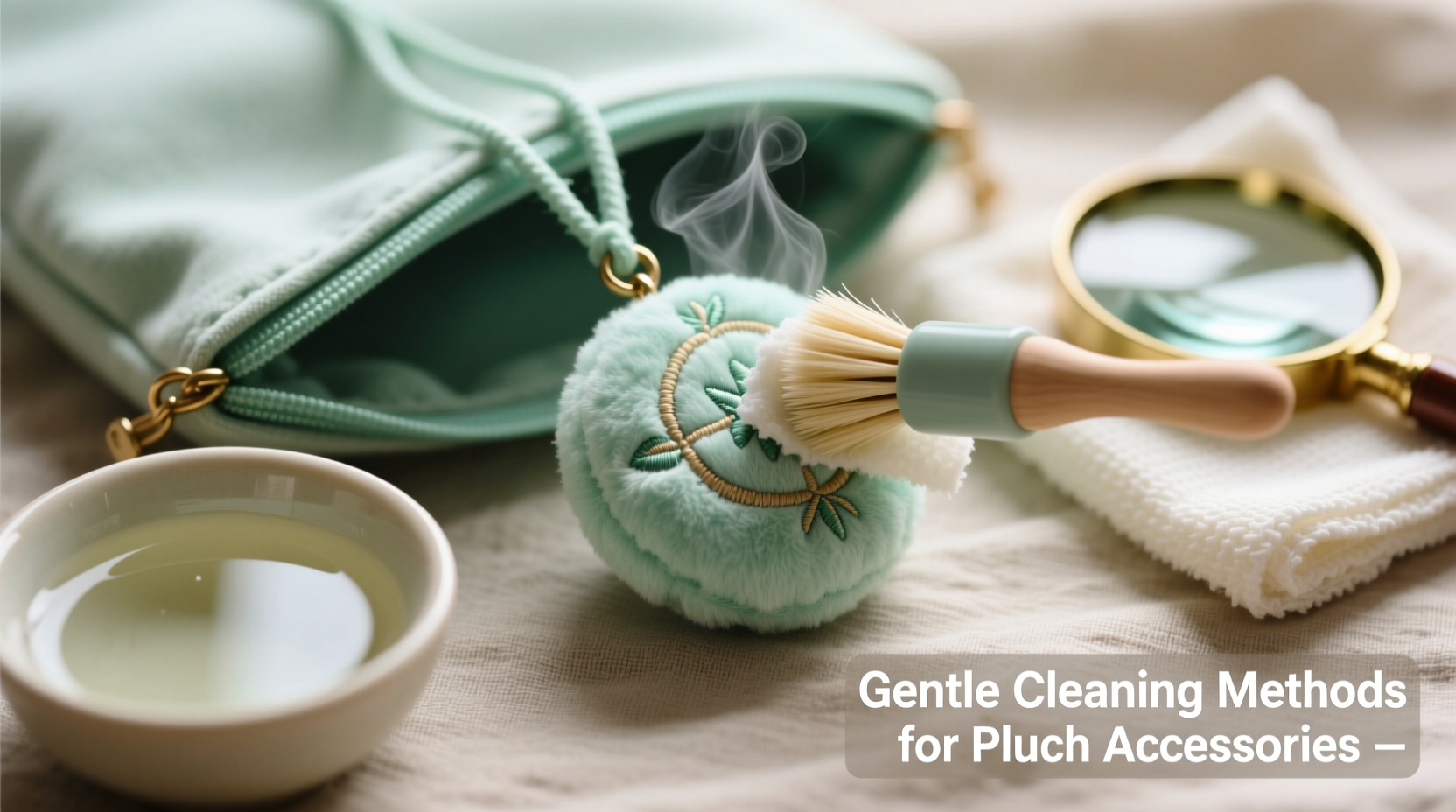
Before cleaning, identify the material. Most plush pendants are made from one of three primary fabrics: polyester fleece, acrylic knit, or cotton-poly blends. Some may have embroidered details, plastic eyes, or wire armatures for shaping. Knowing what you’re working with determines the safest cleaning method.
Fleece and acrylic are resilient to light moisture but prone to pilling if scrubbed. Cotton blends absorb water easily and may shrink if exposed to heat. Embellishments like plastic parts or glued-on features can degrade with soaking or chemical exposure. Always check for care labels if present. When in doubt, assume the pendant is dry-clean only and proceed with minimal moisture.
Step-by-Step Guide: Safe Surface Cleaning
Most everyday soiling—dust, light fingerprints, or surface stains—can be addressed without submerging the pendant. This non-invasive method preserves structural integrity and prevents fiber damage.
- Dry brushing: Use a soft-bristled clothes brush or clean toothbrush to gently lift dust and debris. Brush in the direction of the fabric grain to avoid fraying.
- Spot treatment: Dampen a microfiber cloth with distilled water or a mix of one part white vinegar to three parts water. Lightly dab stained areas—do not rub.
- Odor removal: Sprinkle a small amount of baking soda over the surface. Let sit for 15–20 minutes, then brush off thoroughly. Baking soda neutralizes odors without moisture.
- Air drying: Allow the pendant to air dry at room temperature, away from direct sunlight or heat sources that could warp materials.
This routine should be performed monthly or as needed, depending on exposure to hands, pockets, or outdoor environments.
Deep Cleaning Methods by Material Type
When surface cleaning isn’t enough, deeper intervention may be required. The approach varies significantly based on construction and fabric type. Below is a comparison of recommended techniques.
| Material | Safe Method | Avoid |
|---|---|---|
| Polyester Fleece | Hand wash in cold water with mild detergent; rinse gently, press out water (don’t wring), lay flat to dry | Machine washing, hot water, tumble drying |
| Acrylic Knit | Spot clean only; if necessary, hand wash briefly and reshape while damp | Soaking, twisting, ironing |
| Cotton-Poly Blend | Hand wash in lukewarm water; use gentle soap; dry flat away from sun | High heat, prolonged soaking, bleach |
| With Plastic/Wire Details | Dry cleaning only; use damp cloth for spot cleaning around components | Submersion, steam, aggressive wiping near attachments |
For hand washing, dissolve a small amount of baby shampoo or wool-safe detergent in cool water. Submerge the pendant only if it lacks glued parts or electronics. Swirl gently for 30 seconds, then drain and refill with clean water to rinse. Never twist or squeeze—use a towel to blot excess moisture by pressing the pendant between layers.
Expert Insight: Preserving Longevity
“Many people treat plush accessories like toys, but they require textile-level care. Gentle handling, regular maintenance, and avoiding moisture buildup are critical to preventing mold, mildew, and fiber breakdown.” — Lena Torres, Textile Conservation Specialist, Museum of Fashion Artifacts
Torres emphasizes that plush items, especially small ones like pendants, are often neglected until damage appears. By integrating simple upkeep into your routine, you extend their life dramatically. She also warns against using commercial fabric fresheners containing alcohol or solvents, which can degrade adhesives and dull colors over time.
Real Example: Reviving a Vintage Cat Pendant
Sophie, a collector of retro fashion accessories, inherited a plush cat pendant from her grandmother’s handbag. After years in storage, it was dusty and had a musty odor. Instead of washing it, she followed a cautious restoration process: first, she brushed it with a soft makeup brush, then applied baking soda for odor control. After 20 minutes, she vacuumed the surface using a low-suction handheld device with a brush attachment. The result? A fresh, fluffy charm with no sign of damage. She now stores it in a breathable cotton pouch inside her purse.
This case illustrates how non-wet methods can achieve excellent results when used thoughtfully.
Essential Care Checklist
- ✅ Identify the material and check for fragile components
- ✅ Perform monthly dry brushing to remove surface dust
- ✅ Use baking soda for odor neutralization every 6–8 weeks
- ✅ Spot clean stains with a vinegar-water solution on a microfiber cloth
- ✅ Hand wash only if material allows; never machine wash unless explicitly labeled safe
- ✅ Dry flat, away from sunlight or heaters
- ✅ Store in a breathable fabric pouch when not in use
Frequently Asked Questions
Can I use a washing machine for my plush pendant?
Only if the manufacturer specifies machine-washable and there are no glued or plastic parts. Even then, place it in a mesh laundry bag and use the gentle cycle with cold water. However, hand washing is always safer and recommended for most plush pendants.
How do I remove ink or makeup stains?
These are protein-based or oil-based stains and require careful treatment. Dab the spot with a cotton swab lightly moistened with rubbing alcohol—but test first on an inconspicuous area. If the fabric darkens or feels stiff, discontinue use. For delicate surfaces, consult a professional textile cleaner instead of risking irreversible damage.
Why does my plush pendant feel stiff after drying?
This usually happens when detergent residue remains or the fibers were agitated too much during cleaning. To restore softness, gently brush the area with a soft clothes brush once fully dry. In the future, rinse thoroughly and avoid heavy detergents.
Final Thoughts: Small Habits, Lasting Results
A plush bag pendant may seem like a minor detail, but its condition reflects the care you give your belongings. With thoughtful cleaning practices, you preserve not just appearance but emotional value. Whether it’s a gift, a souvenir, or a statement piece, treating it with attention ensures it stays soft, colorful, and intact for years.
Start today: inspect your pendant, remove surface dust, and assess whether it needs a refresh. Small actions prevent big damage. Over time, consistent care becomes effortless—and your accessories will thank you.




 浙公网安备
33010002000092号
浙公网安备
33010002000092号 浙B2-20120091-4
Comments
No comments yet. Why don't you start the discussion?