
A plush pillowcase is more than a decorative addition to your bed—it’s a functional layer that enhances comfort, protects your pillow, and contributes to restful sleep. However, repeated use exposes it to oils, sweat, dead skin cells, and environmental pollutants. Over time, this buildup can dull its texture, cause discoloration, and compromise softness. Without proper care, even the highest-quality plush fabric can become stiff, matted, or irritated to the touch. The key to preserving its luxurious feel lies in consistent, thoughtful maintenance. By adopting a cleaning routine tailored to delicate materials, you extend not only the lifespan of the pillowcase but also the quality of your sleep environment.
Understanding Plush Fabric and Its Care Needs
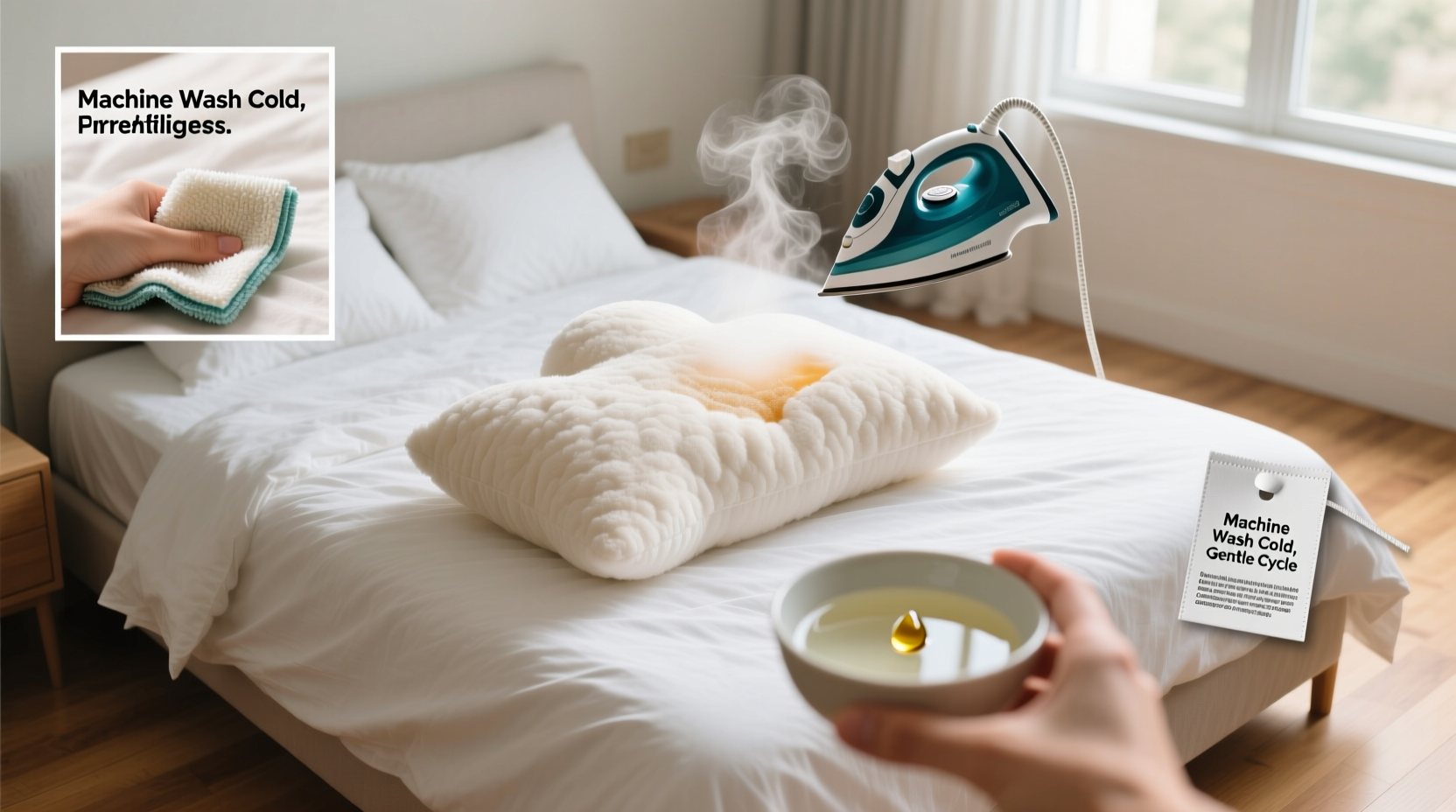
Plush fabrics are typically made from synthetic fibers like polyester, acrylic, or microfiber, or natural blends such as cotton-polyester mixes. These materials are woven or knitted with a dense pile, giving them their signature soft, velvety surface. This texture traps moisture and particles easily, making regular cleaning essential. Unlike standard cotton pillowcases, plush varieties require gentler handling to prevent fiber damage, pilling, or shrinkage.
The pile structure is especially vulnerable to high heat, aggressive agitation, and harsh detergents. When exposed to these conditions, the fibers can flatten or break down, leading to irreversible loss of softness. Additionally, residual detergent left in the fabric can create stiffness over time. Understanding the composition of your pillowcase—check the care label—is the first step toward effective maintenance.
“Plush textiles thrive on low-stress care. Gentle washing, air drying, and periodic deep cleaning preserve both appearance and tactile quality.” — Dr. Lena Peterson, Textile Scientist at the Home Fabric Research Institute
Step-by-Step Guide: How to Clean Your Plush Pillowcase Properly
Regular cleaning prevents grime accumulation and maintains freshness. Follow this method to ensure optimal results without damaging the fabric:
- Check the care label: Always begin by reviewing manufacturer instructions. Some plush pillowcases may be machine washable; others require hand washing or dry cleaning.
- Pre-treat stains: Use a small amount of mild detergent mixed with cool water. Dab (don’t rub) the solution onto soiled areas, then let sit for 5–10 minutes before washing.
- Use a gentle cycle: If machine washing, place the pillowcase in a mesh laundry bag to reduce friction. Select cold water and the delicate setting.
- Choose the right detergent: Opt for a fragrance-free, hypoallergenic formula designed for delicates. Avoid bleach and fabric softeners, which degrade fibers and leave residue.
- Rinse thoroughly: Run an extra rinse cycle to eliminate all soap traces, which can cause stiffness and skin irritation.
- Dry carefully: Air-dry flat on a clean towel, away from direct sunlight. Do not wring or twist. If using a dryer, select no heat or the lowest tumble setting with dryer balls to fluff the pile.
- Fluff and restore texture : Once dry, gently brush the surface with a soft-bristle clothes brush or use a fabric shaver to remove pills and revive loft.
Do’s and Don’ts of Plush Pillowcase Maintenance
| Do’s | Don’ts |
|---|---|
| Wash every 7–10 days for hygiene | Use hot water—it can melt synthetic fibers |
| Store in a breathable cotton bag when not in use | Iron directly on the plush surface |
| Spot clean between full washes | Soak for extended periods—this weakens fibers |
| Rotate multiple pillowcases to reduce wear | Use strong stain removers or enzymatic cleaners |
| Vacuum lightly with a brush attachment monthly | Dry in direct sunlight—UV rays fade and brittle fibers |
Maintaining Softness Between Washes
Cleaning isn’t limited to laundering. Daily habits play a significant role in preserving softness. For instance, removing makeup and skincare products before bedtime reduces oil transfer. Using a silk or satin sleep mask or bonnet minimizes friction and keeps facial oils off the fabric. Additionally, airing out the pillowcase weekly helps dissipate trapped moisture and odors.
For a quick refresh between washes, spritz with a DIY fabric mist: mix ½ cup distilled water, one tablespoon of witch hazel, and 3–5 drops of lavender essential oil in a spray bottle. Lightly mist the surface and allow to air dry. This neutralizes odor-causing bacteria without wetting the fabric deeply.
Real Example: Reviving a Neglected Plush Pillowcase
Sophie, a nurse working night shifts, loved her plush velvet pillowcase for its soothing texture after long hours. Over six months, she washed it only twice due to fatigue. Eventually, it felt rough, looked dull, and developed a musty smell. Instead of discarding it, she followed a restoration process: a 30-minute soak in cool water with oxygen-based cleaner, a gentle hand wash with baby shampoo, and flat drying. After drying, she used a soft clothes brush to lift the nap. The result? Nearly full restoration of softness and luster. She now rotates two cases and washes weekly, keeping both fresh and functional.
Expert Checklist for Long-Term Plush Pillowcase Care
- ✔️ Inspect care label before first wash
- ✔️ Wash every 7–10 days using cold water and gentle detergent
- ✔️ Air-dry flat or use no-heat tumble drying
- ✔️ Brush pile weekly to maintain loft
- ✔️ Store in a ventilated space away from humidity
- ✔️ Spot clean spills immediately
- ✔️ Refresh monthly with light vacuuming or fabric spray
- ✔️ Replace every 12–18 months, depending on condition
Frequently Asked Questions
Can I use fabric softener on my plush pillowcase?
No. Fabric softeners coat fibers with chemicals that reduce absorbency and lead to buildup, making the fabric feel stiff over time. They can also trigger allergies. Instead, use wool dryer balls during drying to soften naturally.
Why does my plush pillowcase feel stiff after washing?
Stiffness usually results from leftover detergent or improper drying. Ensure thorough rinsing and avoid high heat. If stiffness persists, rewash with a cup of white vinegar added during the rinse cycle to strip residue.
How often should I replace a plush pillowcase?
With proper care, a high-quality plush pillowcase lasts 12 to 18 months. Signs it’s time to replace include permanent matting, thinning fabric, persistent odor, or visible pilling that brushing won’t resolve.
Preserve Comfort, One Pillowcase at a Time
Your plush pillowcase is an investment in comfort and sleep quality. With mindful cleaning, gentle handling, and consistent upkeep, it can remain luxuriously soft for months—sometimes years—beyond typical wear. Small habits like rotating covers, avoiding heat, and using natural refreshers compound into significant longevity. You don’t need expensive products or complex routines; just attention to detail and respect for the material. Start today: assess your current pillowcase, check its condition, and apply one new care tip. Over time, these actions will transform how your bedding feels and performs.




 浙公网安备
33010002000092号
浙公网安备
33010002000092号 浙B2-20120091-4
Comments
No comments yet. Why don't you start the discussion?