
Quicksand phone cases—known for their mesmerizing, sand-like texture and shifting color particles—are a favorite among smartphone owners who value both style and tactile appeal. However, their unique composition makes them more vulnerable to dirt, oils, and cloudiness over time. Unlike standard silicone or plastic cases, quicksand cases contain liquid and suspended particles that can be compromised by improper cleaning techniques. Cleaning them incorrectly may lead to bubbles, leaks, or permanent hazing. Fortunately, with the right approach, you can safely clean and restore your case to near-original condition.
Understanding Quicksand Phone Case Construction
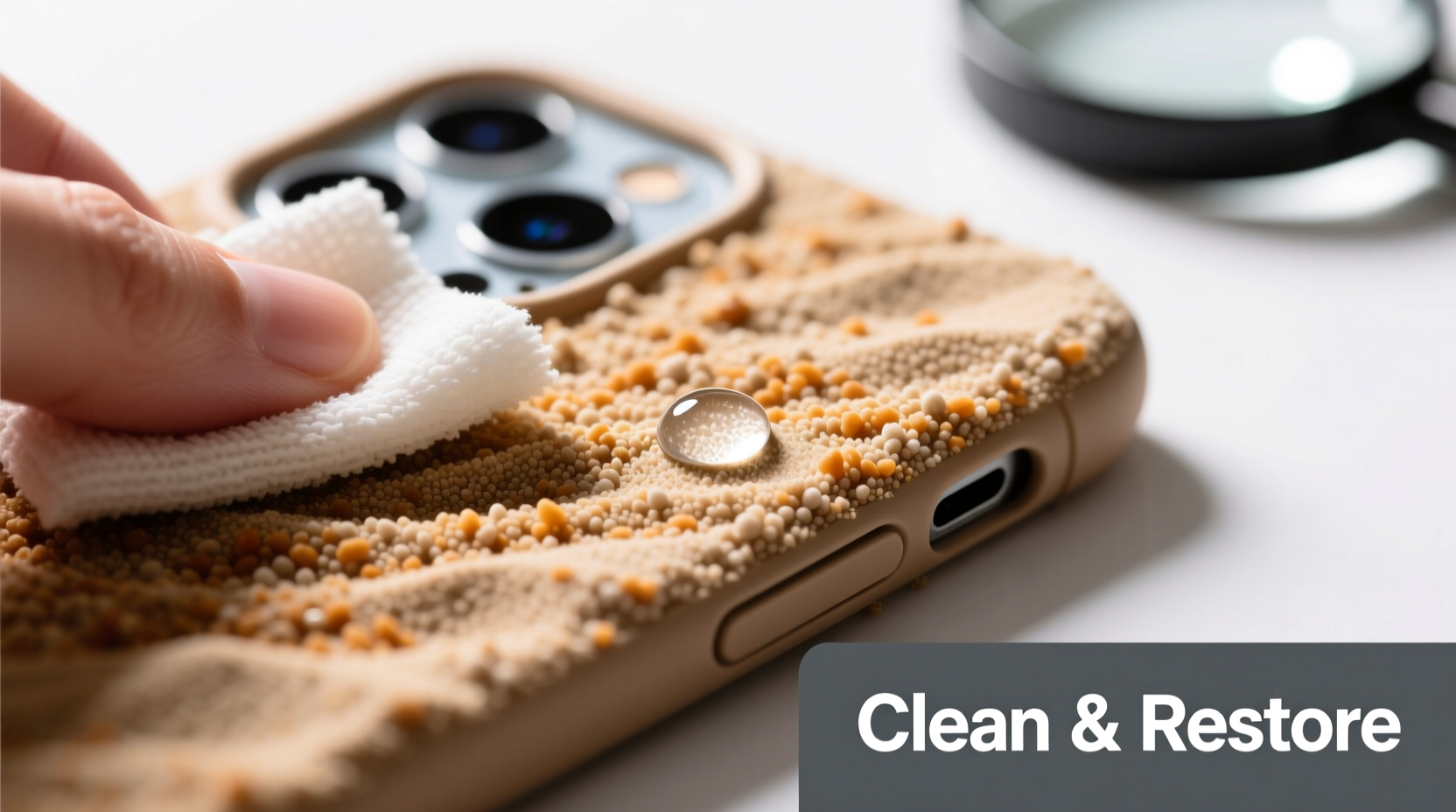
Before attempting any cleaning method, it’s essential to understand what a quicksand case is made of. These cases typically consist of two layers: an outer flexible shell (often TPU or silicone) and an inner sealed layer containing a clear liquid with glitter, colored beads, or micro-sand particles. The “quicksand” effect comes from the movement of these particles within the liquid when tilted. This inner layer is delicate and must remain intact to preserve functionality.
Because of this dual-layer design, aggressive scrubbing, exposure to heat, or use of harsh chemicals can compromise the seal, leading to leakage or trapped moisture. Therefore, cleaning must focus on the exterior while preserving the internal structure.
Step-by-Step Guide to Safe Cleaning
Cleaning a quicksand phone case requires patience and precision. Follow this timeline-based process to avoid damage while restoring clarity and shine.
- Remove the phone: Gently take your device out of the case. This prevents accidental exposure to liquids or cleaners.
- Dust removal: Use a soft-bristled brush or dry microfiber cloth to remove loose dust and debris from the surface and edges.
- Prepare cleaning solution: Mix a few drops of mild dish soap with lukewarm water in a bowl. Avoid detergents with abrasives or alcohol.
- Dampen a cloth: Dip a corner of a lint-free cloth into the solution, then wring it out thoroughly. The cloth should be damp, not wet.
- Wipe the exterior: Gently wipe the outer surface using circular motions. Pay attention to corners and button areas where grime accumulates.
- Tackle stubborn spots: For oily residues (like fingerprints), lightly dab the area—do not rub hard. Repeat if necessary.
- Dry immediately: Use a second dry microfiber cloth to wipe away any remaining moisture. Let air-dry upright for 10–15 minutes before reinserting your phone.
This method removes surface contaminants without risking the internal chamber. It’s recommended every 1–2 weeks depending on usage.
Do’s and Don’ts: Best Practices Table
| Do’s | Don’ts |
|---|---|
| Use a microfiber cloth for wiping | Use paper towels (can scratch) |
| Clean with mild soapy water | Soak the case in water |
| Store flat when not in use | Leave in direct sunlight (causes fading) |
| Handle gently around seams | Use alcohol, acetone, or bleach |
| Inspect regularly for bubbles or leaks | Apply pressure to the liquid layer |
Restoring Cloudiness and Haze
Over time, even careful handling can result in a cloudy appearance on the surface of the case. This is often due to microscopic scratches or residue buildup rather than internal damage. To restore clarity:
- Use a small amount of non-gel toothpaste (preferably white, non-abrasive) on a soft cloth. Gently buff the affected area in circular motions for 10–15 seconds.
- Wipe off with a damp cloth, then dry thoroughly.
- For deeper haze, apply a tiny drop of baby oil or silicone polish to a cloth and lightly buff the surface. This enhances transparency and restores shine.
Note: These restoration methods are only for the outer shell. If cloudiness appears *inside* the liquid layer, it may indicate a seal failure, which cannot be reversed at home.
“Many customers ruin their quicksand cases by treating them like regular ones. A gentle touch and awareness of material limits go a long way.” — Lena Patel, Mobile Accessory Technician at TechCare Solutions
Mini Case Study: Reviving a Year-Old Case
Sophia, a college student from Austin, had used her rose-gold quicksand case daily for nearly a year. After constant pocket storage and occasional drops, the case appeared dull, smudged, and slightly yellowed at the edges. She avoided cleaning it, fearing damage.
Following a cautious cleaning protocol—using a microfiber cloth, mild soap, and avoiding moisture ingress—she restored 80% of its original luster. She then applied a light coat of baby oil to enhance clarity. Though minor micro-scratches remained, the case looked significantly refreshed and continued functioning without leaks for another six months.
This example shows that consistent, gentle maintenance can extend the life and appearance of these fragile accessories.
Checklist: Monthly Maintenance Routine
To keep your quicksand phone case looking vibrant and clean, follow this monthly checklist:
- □ Remove phone and inspect for trapped debris
- □ Dust surface with a dry microfiber cloth
- □ Clean with damp soapy cloth (not submerged)
- □ Dry completely before reuse
- □ Check for bubbles, leaks, or separation
- □ Buff lightly with toothpaste if surface is hazy
- □ Store in a shaded, cool place when not in use
Frequently Asked Questions
Can I use screen cleaner on my quicksand case?
No. Most screen cleaners contain alcohol or ammonia, which can degrade the TPU or silicone material and cause cracking or clouding. Stick to mild soap and water.
Why is my case developing bubbles?
Bubbles usually form when the internal seal is compromised, often due to heat exposure or physical stress. Once bubbles appear, they cannot be removed. Prevent them by avoiding hot environments like car dashboards.
How long do quicksand cases typically last?
With proper care, most last 6–12 months. Heavy use, frequent exposure to heat, or poor cleaning habits can shorten lifespan to as little as 3–4 months.
Conclusion: Preserve Beauty Through Gentle Care
A quicksand phone case is more than just protection—it’s a statement piece. Its visual appeal depends on maintaining both the exterior finish and the integrity of the internal liquid layer. By adopting a routine of gentle cleaning, avoiding harmful substances, and storing it wisely, you can enjoy its shimmering effect for months longer than average users.
The key takeaway is respect for the material. These cases are designed for aesthetic delight, not rugged durability. Treat them with care, and they’ll reward you with lasting beauty.




 浙公网安备
33010002000092号
浙公网安备
33010002000092号 浙B2-20120091-4
Comments
No comments yet. Why don't you start the discussion?