
Silver jewelry, especially intricate pieces like a 925 sterling silver Cuban chain bracelet, demands careful maintenance. Over time, exposure to air, moisture, and skin oils causes tarnishing—leaving the once-bright metal dull or even blackened. While many reach for abrasive cleaners or skip care altogether, doing so risks damaging the fine links and diminishing value. The good news is that restoring brilliance doesn’t require harsh chemicals or professional visits if you follow the right approach. With proper tools and techniques, you can safely bring back the luster of your Cuban chain while preserving its integrity.
Understanding Your 925 Silver Cuban Chain
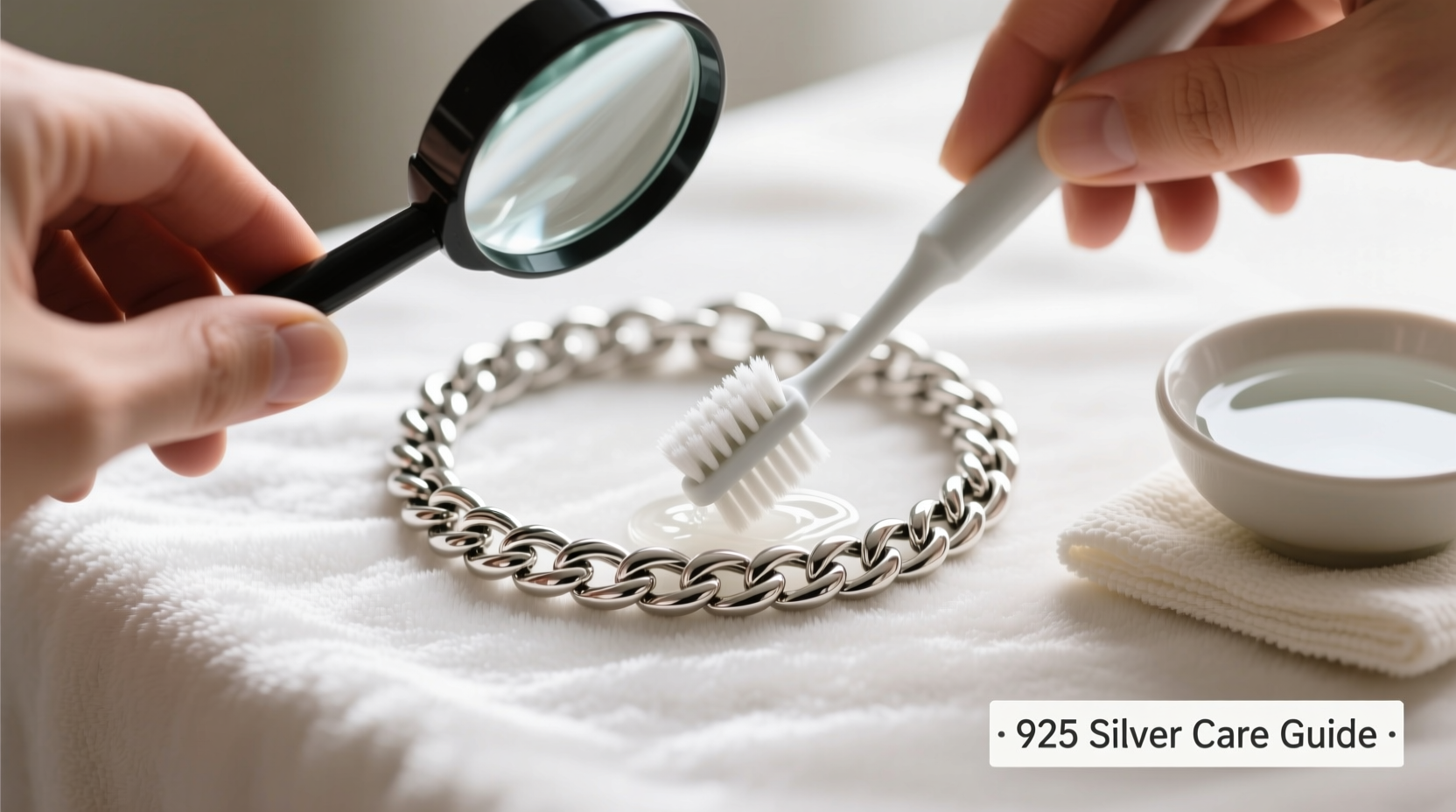
Before cleaning, it's essential to understand what \"925 silver\" means. This hallmark indicates the piece contains 92.5% pure silver and 7.5% alloy—usually copper—to enhance durability. While this makes the metal strong enough for detailed chains like the Cuban link style, it also increases susceptibility to oxidation. The tightly interlocked design traps dirt and accelerates tarnish buildup in crevices, making regular but gentle cleaning crucial.
Cuban chains are known for their weight, smooth drape, and bold presence. Their complex structure means aggressive scrubbing can bend links or weaken solder points. Therefore, any cleaning method must balance effectiveness with structural safety.
“Sterling silver responds best to preventive care. A few minutes of weekly wiping can delay deep tarnish for months.” — Lena Torres, Jewelry Preservation Specialist
Step-by-Step Guide: Safe At-Home Cleaning Process
Cleaning your 925 silver Cuban chain at home is both cost-effective and reliable when done correctly. Follow this timeline-tested sequence to avoid damage and achieve lasting shine.
- Inspect the Chain: Check for loose links, kinks, or signs of wear. If the clasp feels weak or links appear misaligned, consider professional inspection before cleaning.
- Prepare a Gentle Cleaning Solution: Mix one tablespoon of baking soda with one cup of distilled water. Alternatively, use a few drops of mild dish soap (phosphate-free) in warm water.
- Soak for 10–15 Minutes: Submerge the bracelet in the solution. Avoid prolonged soaking beyond 20 minutes to prevent water infiltration into micro-gaps.
- Use a Soft-Bristled Brush: Gently agitate between links using a clean toothbrush with ultra-soft bristles. Focus on areas where grime collects—especially near the clasp and connection points.
- Rinse Thoroughly: Rinse under lukewarm running water to remove residue. Do not use hot water, as thermal shock may stress metal joints.
- Dry Completely: Pat dry with a lint-free microfiber cloth. Lay flat on a clean towel in a well-ventilated area until fully dry—never store damp.
- Polish Lightly: Use a dedicated silver polishing cloth (not tissue or paper towels) to restore final shine. Buff in straight motions along the chain’s length.
Alternative Restoration Methods
For more advanced tarnish, standard washing may not suffice. These alternative techniques offer deeper restoration while maintaining safety.
Aluminum Foil & Baking Soda Bath (Ion Transfer Method)
This chemical reaction removes sulfur-based tarnish without abrasion. Line a non-metallic bowl with aluminum foil (shiny side up). Add one tablespoon each of baking soda and salt, then pour in boiling water. Place the chain on the foil, ensuring contact. Wait 5–10 minutes. Remove, rinse, and dry thoroughly.
Note: This method works best for moderate tarnish. Avoid if your chain has gemstones, plating, or delicate finishes.
Commercial Silver Dips (Use with Caution)
Liquid dips can quickly dissolve tarnish but often contain thiourea or acids that erode silver over time. If used, limit immersion to 10 seconds, rinse immediately, and never use on chains with textured surfaces or antique patinas.
| Method | Best For | Risks |
|---|---|---|
| Soap & Water + Brush | Regular maintenance | Minimal |
| Baking Soda Paste | Stubborn grime | Mild abrasion if scrubbed hard |
| Aluminum Foil Bath | Moderate tarnish | Not suitable for plated items |
| Commercial Dip | Heavy tarnish emergencies | Overuse damages metal |
Do’s and Don’ts of Silver Chain Care
- Do clean after wearing if exposed to sweat, perfume, or lotions.
- Do store in an anti-tarnish pouch with a silica gel packet.
- Do wear your chain regularly—natural oils can slow oxidation.
- Don’t wear during swimming, showering, or exercising.
- Don’t use paper towels or tissues to polish—micro-scratches occur easily.
- Don’t stack multiple chains daily; friction causes premature wear.
Real Example: Restoring a Heirloom Cuban Chain
James inherited a thick 925 silver Cuban chain from his grandfather. Stored in a wooden box for years, it arrived heavily tarnished—nearly black in spots. Instead of opting for ultrasonic cleaning (which could loosen aged joints), he followed the aluminum foil bath method. After two 8-minute cycles with rinsing in between, the chain regained 90% of its original luster. A final polish with a microfiber cloth brought out the depth of the links. By avoiding dips and brushes, he preserved the vintage integrity while achieving visible results.
Checklist: Monthly Silver Chain Maintenance Routine
- ☐ Inspect clasp and links for stability
- ☐ Wipe with a silver polishing cloth
- ☐ Perform soap-and-water wash if worn frequently
- ☐ Deep clean using foil bath every 3–4 months
- ☐ Confirm storage environment is dry and dark
- ☐ Rotate wear schedule to reduce strain
Frequently Asked Questions
Can I use toothpaste to clean my silver chain?
No. Despite popular belief, most toothpastes are mildly abrasive and may scratch soft silver, especially on detailed chains. They also contain fluoride and other compounds that can react with metal alloys, accelerating future tarnish.
How often should I clean my Cuban chain?
If worn daily, wipe with a polishing cloth weekly and perform a full cleaning every 4–6 weeks. Occasional wearers can clean every 2–3 months. Adjust based on exposure to humidity, cosmetics, and perspiration.
Why does my silver chain turn black so fast?
Rapid tarnishing is typically caused by high sulfur levels in the air, frequent contact with lotions or hairspray, or storage in humid environments. Some individuals naturally produce more acidic sweat, which accelerates oxidation. Using anti-tarnish strips in storage helps neutralize reactive gases.
Conclusion: Preserve Beauty Through Consistent Care
A 925 silver Cuban chain bracelet is more than an accessory—it’s an investment in personal style and craftsmanship. Its longevity depends not on how often you wear it, but how thoughtfully you care for it. Simple habits like post-wear wiping, correct storage, and periodic deep cleaning can maintain its brilliance for decades. Whether you’re refreshing a gift, restoring a family heirloom, or simply proud of your collection, taking the time to treat your silver with respect pays off in lasting elegance.




 浙公网安备
33010002000092号
浙公网安备
33010002000092号 浙B2-20120091-4
Comments
No comments yet. Why don't you start the discussion?