
Plaid pattern iPhone cases are a popular choice for their timeless style and versatility. Whether made from silicone, TPU, leather, or fabric blends, these cases often become worn over time due to daily exposure to oils, dust, and environmental grime. While the plaid design adds aesthetic charm, it can also trap dirt in its intricate weave, making cleaning more challenging. The good news is that with the right techniques, you can safely clean and even restore your case to near-original condition—without fading colors or damaging materials.
Understanding Your Case Material
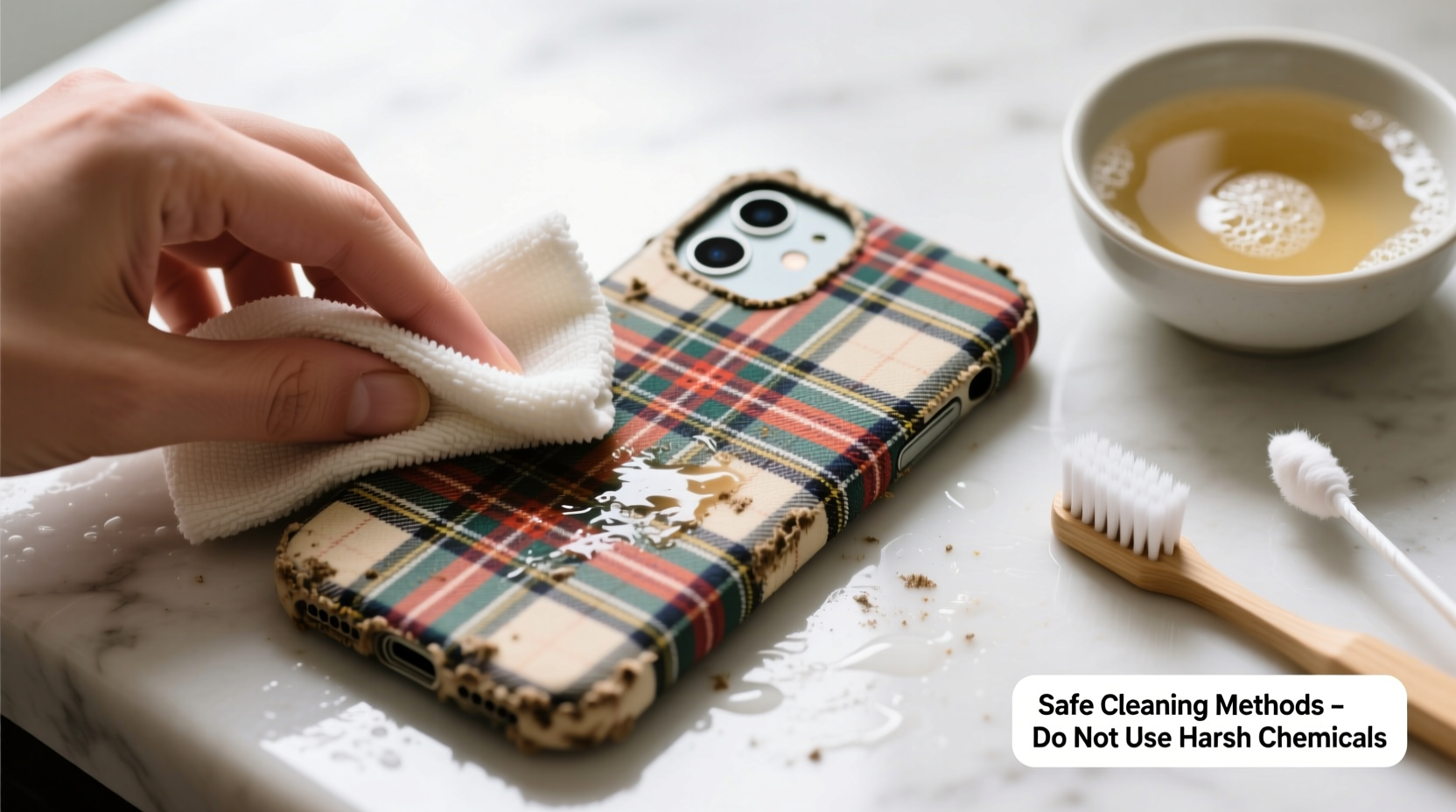
Before attempting any cleaning method, it's essential to identify the material of your plaid iPhone case. Different materials react differently to water, chemicals, and scrubbing. The most common types include:
- Silicone: Flexible, grippy, and usually matte or glossy. Resistant to mild soaps but vulnerable to harsh solvents.
- Thermoplastic Polyurethane (TPU): Slightly stiffer than silicone, often transparent with printed plaid patterns. Prone to yellowing if exposed to UV light or alcohol-based cleaners.
- Fabric-wrapped or hybrid cases: Combine plastic frames with woven plaid fabric. Require gentle handling to avoid fraying or ink bleeding.
- Leather with plaid accents: Less common but available in premium models. Needs conditioning after cleaning.
Cleaning a TPU case with alcohol may strip the print, while aggressive scrubbing on fabric can distort the plaid weave. Always check manufacturer guidelines if available.
Step-by-Step Guide to Deep Cleaning Your Plaid Case
A thorough cleaning process preserves both appearance and hygiene. Follow this timeline to safely remove buildup and refresh your case:
- Remove the phone: Always take your iPhone out before cleaning. This prevents moisture from entering ports and allows full access to the case interior.
- Dry brush exterior: Use a soft-bristled toothbrush to dislodge surface dust and debris trapped in the plaid pattern’s crevices.
- Prepare cleaning solution: Mix a few drops of mild dish soap with warm water in a bowl. Avoid detergents with bleach or degreasers.
- Soak (if applicable): For non-fabric cases, submerge in the solution for 5–10 minutes. Fabric cases should never be soaked—dampen a cloth instead.
- Gently scrub: Dip the toothbrush into the solution and lightly scrub along the plaid lines. Focus on corners and button covers where grime accumulates.
- Rinse thoroughly: Rinse under lukewarm running water until all soap residue is gone. Do not use high pressure.
- Air dry completely: Place the case on a clean towel in a shaded, well-ventilated area. Never use heat sources like hairdryers, which can warp plastic or fade dyes.
- Inspect and repeat if needed: After drying, check for remaining stains. Repeat only if necessary, as over-cleaning can degrade materials.
Do’s and Don’ts: Caring for Patterned Cases
| Do’s | Don’ts |
|---|---|
| Use pH-neutral soaps or screen-safe wipes | Use rubbing alcohol, acetone, or window cleaners |
| Clean every 2–3 weeks for optimal hygiene | Put cases in dishwashers or washing machines |
| Store in a breathable pouch when not in use | Leave in direct sunlight or hot cars |
| Handle fabric areas with microfiber cloths | Scrub aggressively with abrasive pads |
| Condition leather components quarterly | Stack multiple cases tightly (traps moisture) |
Restoring Faded or Yellowed Plaid Cases
Over time, especially with clear or light-colored TPU cases, yellowing can occur due to oxidation, UV exposure, or skin oils. While complete reversal isn’t always possible, partial restoration is achievable.
For non-fabric cases showing mild discoloration:
- Create a paste using baking soda and a few drops of water.
- Apply with a soft cloth in circular motions, focusing on yellowed zones.
- Rinse immediately and dry away from sunlight.
Alternatively, some users report success using activated oxygen bleach (like OxiClean) in cold water, soaking for no more than 30 minutes. However, this method carries risk—test first and never use on fabric or colored cases, as it may bleach the plaid design.
“Pattern integrity depends on how gently you treat the surface. Even minor abrasives can blur fine lines over time.” — Daniel Reyes, Product Durability Analyst at Mobile Accessory Labs
Mini Case Study: Reviving a Two-Year-Old Plaid Silicone Case
Sarah, a college student from Portland, had used the same navy-red plaid silicone case for over two years. The edges had darkened, and the inner lining was sticky from oil buildup. She avoided replacing it because of sentimental value—it matched her school colors.
Following a gentle cleaning protocol, she brushed the exterior with a soft toothbrush, then cleaned the inside with a 1:1 mix of water and white vinegar (known for breaking down oily residues). After rinsing and air-drying overnight, the stickiness disappeared, and the plaid colors appeared brighter. Though slight edge wear remained, the case looked significantly refreshed and lasted another eight months with biweekly maintenance.
This example shows that consistent care can extend usability far beyond expected lifespan—even for heavily used cases.
Checklist: Safe Plaid Case Maintenance Routine
- ☐ Remove phone before cleaning
- ☐ Brush off loose debris weekly
- ☐ Wash with mild soap every 2–3 weeks
- ☐ Inspect for cracks or lifting prints monthly
- ☐ Store in a cool, dry place when rotating cases
- ☐ Replace if structural integrity is compromised
FAQ
Can I use disinfectant wipes on my plaid iPhone case?
Only if they’re alcohol-free and labeled safe for electronics. Most standard disinfectant wipes contain isopropyl alcohol, which can degrade TPU and fade printed patterns over time. A better option is a microfiber cloth dampened with soapy water, followed by drying.
Why does my plaid case feel sticky inside?
Interior stickiness is typically caused by accumulated skin oils, sweat, and dust interacting with softer plastics like TPU. It can also signal early material breakdown. Regular cleaning with a vinegar-water solution (70% water, 30% white vinegar) helps dissolve residue without harming the case.
How can I prevent my plaid case from fading?
Limit exposure to direct sunlight and fluorescent lighting. UV radiation breaks down dyes and accelerates yellowing in clear plastics. When not in use, store the case in a drawer or opaque pouch. Also, avoid placing it near windowsills or car dashboards.
Conclusion: Preserve Style and Functionality
Your plaid pattern iPhone case is more than just protection—it’s a reflection of personal style. With minimal effort and the right approach, you can keep it looking sharp, hygienic, and functional for months longer than expected. Gentle cleaning, smart storage, and proactive restoration go a long way in preserving both the material and the intricate design that attracted you in the first place.




 浙公网安备
33010002000092号
浙公网安备
33010002000092号 浙B2-20120091-4
Comments
No comments yet. Why don't you start the discussion?