
Clothing made from delicate or specialty materials often comes with strict care instructions: \"dry clean only,\" \"do not machine wash,\" or \"hand wash cold.\" Ignoring these warnings can lead to irreversible damage—shrinking, color bleeding, fabric distortion, or structural breakdown. Yet, even the most carefully worn garments eventually need cleaning. The challenge lies in removing dirt, odors, and stains without compromising the integrity of the fabric. Fortunately, several proven, gentle methods allow you to maintain these sensitive items at home with confidence. From spot treatments to air-based cleaning, this guide explores practical, low-risk approaches that extend the life of your most fragile garments.
Understanding Delicate Fabrics and Their Risks
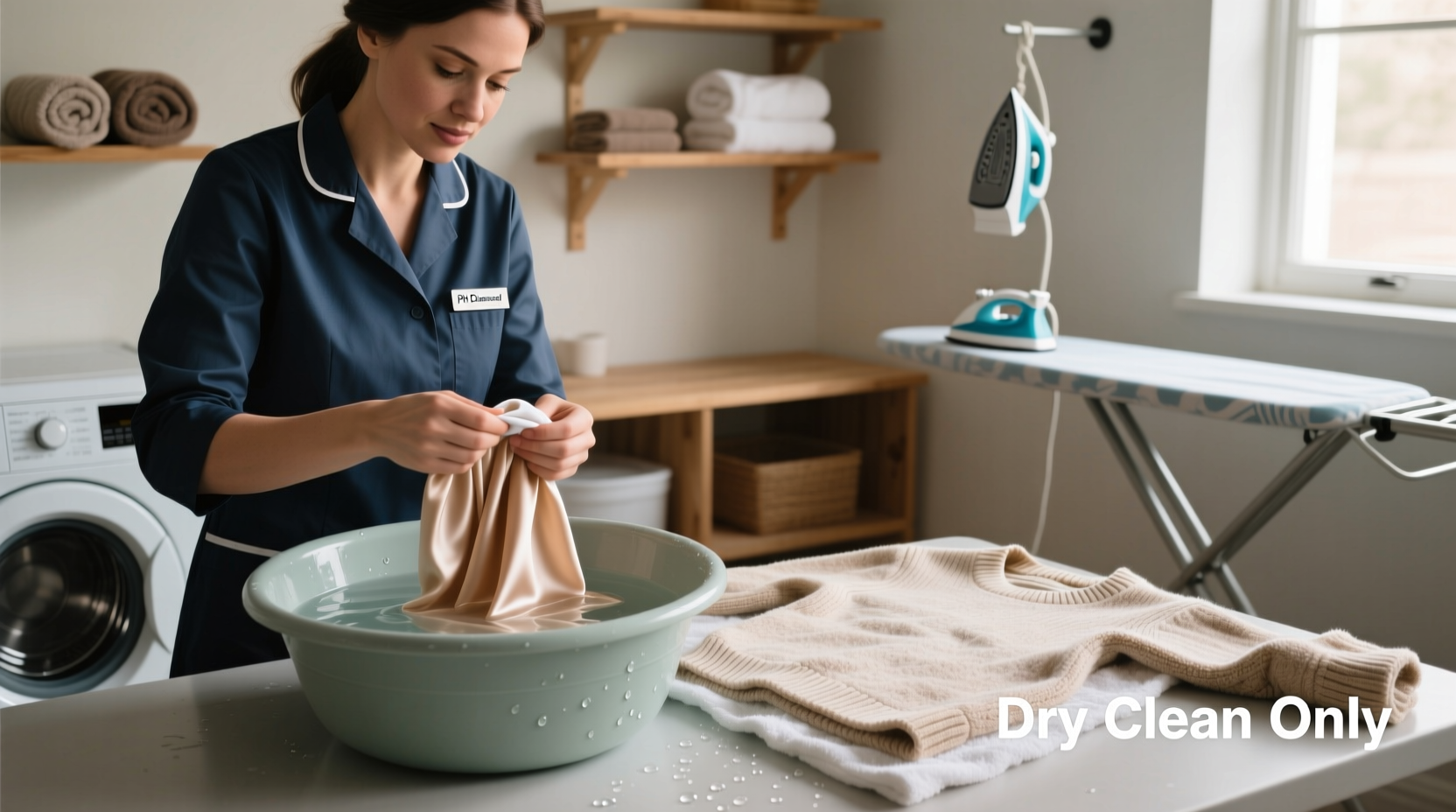
Fabrics such as silk, lace, wool, cashmere, velvet, and embellished textiles are prized for their texture, drape, and elegance—but they’re also highly susceptible to water, heat, agitation, and chemical exposure. Water alone can cause silk to lose its sheen or wool to felt. Harsh detergents may degrade fibers or strip natural oils. Even wringing or hanging wet delicate garments can distort their shape.
Recognizing what makes a garment un-washable is the first step in choosing an appropriate cleaning method. Common culprits include:
- Fiber sensitivity: Silk and wool react poorly to alkaline soaps and hot water.
- Structural fragility: Beading, sequins, embroidery, or bonded layers can detach or warp.
- Dye instability: Some dyes bleed when exposed to moisture or friction.
- Construction: Garments with boning, padding, or fused interlinings may delaminate when wet.
“Delicate garments aren’t indestructible—they just require intelligent care. The goal isn’t to avoid cleaning, but to choose methods that respect the material’s limits.” — Dr. Lena Patel, Textile Conservation Specialist, Royal School of Needlework
Safe Cleaning Alternatives to Traditional Washing
When conventional washing is off the table, alternative cleaning strategies focus on minimizing moisture, mechanical stress, and chemical exposure. These methods are particularly useful for lightly soiled garments worn infrequently, such as formal dresses, vintage pieces, or heirloom textiles.
Air and Steam Refreshing
Hanging garments in fresh air overnight removes musty odors and dissipates light body smells. For deeper refreshment, use a handheld garment steamer on low heat. Steam loosens surface dirt and kills odor-causing bacteria without soaking the fabric. Keep the steamer at least six inches away and move continuously to prevent water spots.
Spot Cleaning with Solvent-Free Solutions
For localized stains—underarm discoloration, makeup marks, or food spills—targeted treatment avoids full immersion. Use a white microfiber cloth dampened with a solution of one part distilled water and one part white vinegar (for organic stains) or diluted rubbing alcohol (for oil-based marks). Always test on an inconspicuous seam first.
Apply gently with a dabbing motion—never rub. Follow with a dry section of the cloth to absorb residue. For protein-based stains like sweat, a paste of cornstarch or baking soda can be dusted on, left for 15–30 minutes, then brushed off.
Step-by-Step Guide: At-Home Dry Cleaning Method
While true dry cleaning uses chemical solvents like perchloroethylene, a safer at-home version mimics the process using minimal moisture and absorbent agents. This method works best for garments with light soil and no deep-set stains.
- Aerate the garment: Hang it outside or near an open window for 2–4 hours to release odors.
- Vacuum gently: Use a handheld vacuum with a brush attachment on low suction. Cover the nozzle with a sheer nylon stocking to protect delicate surfaces.
- Apply dry cleaning solvent (optional): If needed, use a commercial at-home dry cleaning kit (like Dryel) following package instructions. These kits include a damp pad and cleaning cloth that release solvent vapor in a dryer.
- Tumble briefly: Place the garment and cleaning sheet in a cool dryer for 15–20 minutes. Do not exceed recommended time or heat.
- Inspect and air out: Remove immediately and hang to air for another hour before storing.
Do’s and Don’ts for Non-Washable Clothing Care
| Action | Do | Don't |
|---|---|---|
| Cleaning frequency | Refresh after 2–3 wears | Wait until heavily soiled |
| Stain removal | Blot immediately with dry cloth | Rub aggressively or use bleach |
| Drying | Lay flat on clean towel, reshape | Hang wet or use radiator |
| Storage | Use padded hangers or breathable cotton bags | Fold knits long-term or use plastic covers |
| Ironing | Use low heat with pressing cloth | Apply direct heat to silk or embellishments |
Real Example: Reviving a Vintage Silk Blouse
Maria inherited a 1950s silk blouse from her grandmother. The fabric was intact, but underarm areas had yellowed, and the garment smelled faintly of cedar. She avoided washing it, fearing shrinkage. Instead, she placed the blouse on a padded hanger and aired it on her porch for two evenings. For the stains, she mixed a small amount of enzyme-free silk cleaner with distilled water, applied it with a cotton swab to the discolored zones, and blotted with a dry linen cloth. After 20 minutes, she laid the blouse flat on a clean towel, reshaped the sleeves, and let it air dry indoors away from sunlight. The yellowing faded significantly, and the scent disappeared. Maria now refreshes the blouse every few months using steam and spot treatment, preserving both its condition and sentimental value.
Checklist: Caring for Non-Washable Clothes
Follow this checklist to safely maintain delicate garments:
- ✔ Inspect clothing after each wear for stains or odors
- ✔ Air out garments for 1–2 hours post-wear
- ✔ Use a lint roller or soft brush for surface debris
- ✔ Spot treat stains within 24 hours
- ✔ Store in breathable garment bags away from light and humidity
- ✔ Rotate delicate items to prevent prolonged pressure on fibers
- ✔ Schedule professional cleaning annually for high-value pieces
Frequently Asked Questions
Can I hand wash something labeled 'dry clean only'?
Only if you proceed with extreme caution. Use cold water, a pH-neutral detergent formulated for delicates, and submerge gently without agitation. Never twist or wring. Rinse thoroughly and lay flat to dry. However, some fabrics—especially structured garments or those with interfacing—may still be damaged. When in doubt, consult a professional.
How do I remove perfume or cigarette smell from a non-washable coat?
Odors can be neutralized without washing. Hang the coat in a steamy bathroom while showering—the moisture helps lift volatile compounds. Alternatively, place it in a sealed closet with bowls of activated charcoal or baking soda for 24–48 hours. Avoid spraying perfumes directly on the fabric, as they can stain or interact with dyes.
Is freezing clothes a safe way to clean them?
Freezing kills some bacteria and deodorizes, but it does not remove dirt or oils. It’s occasionally used for fur or costume pieces that can’t tolerate any moisture. Wrap the item in a clean cloth and freeze for 24–48 hours, then air thoroughly. However, condensation during thawing can introduce moisture, so this method carries risk and should be used sparingly.
Conclusion: Preserving Value Through Smart Care
Clothes that resist conventional washing demand thoughtful maintenance, not neglect. By adopting gentle, targeted cleaning practices, you preserve not only the appearance but also the structural integrity of delicate garments. Whether it’s airing out a wool coat, spot-treating a silk dress, or using at-home dry cleaning kits wisely, each action contributes to longevity. Over time, these habits reduce the need for aggressive cleaning and help retain resale or sentimental value. Treat your most fragile pieces with the care they deserve—not by avoiding cleaning, but by choosing smarter, safer ways to keep them fresh.




 浙公网安备
33010002000092号
浙公网安备
33010002000092号 浙B2-20120091-4
Comments
No comments yet. Why don't you start the discussion?