
Silver plated earrings offer the elegance of real silver at a fraction of the cost. However, their delicate nature makes them prone to tarnishing—a natural chemical reaction caused by exposure to air, moisture, and sulfur compounds. Unlike solid sterling silver, the thin layer of silver on plated pieces can wear off if cleaned improperly or too aggressively. The key to preserving their luster lies in using gentle, effective cleaning techniques and adopting preventive care habits. With the right approach, you can restore shine and significantly extend the life of your favorite earrings.
Understanding Silver Plating and Tarnish
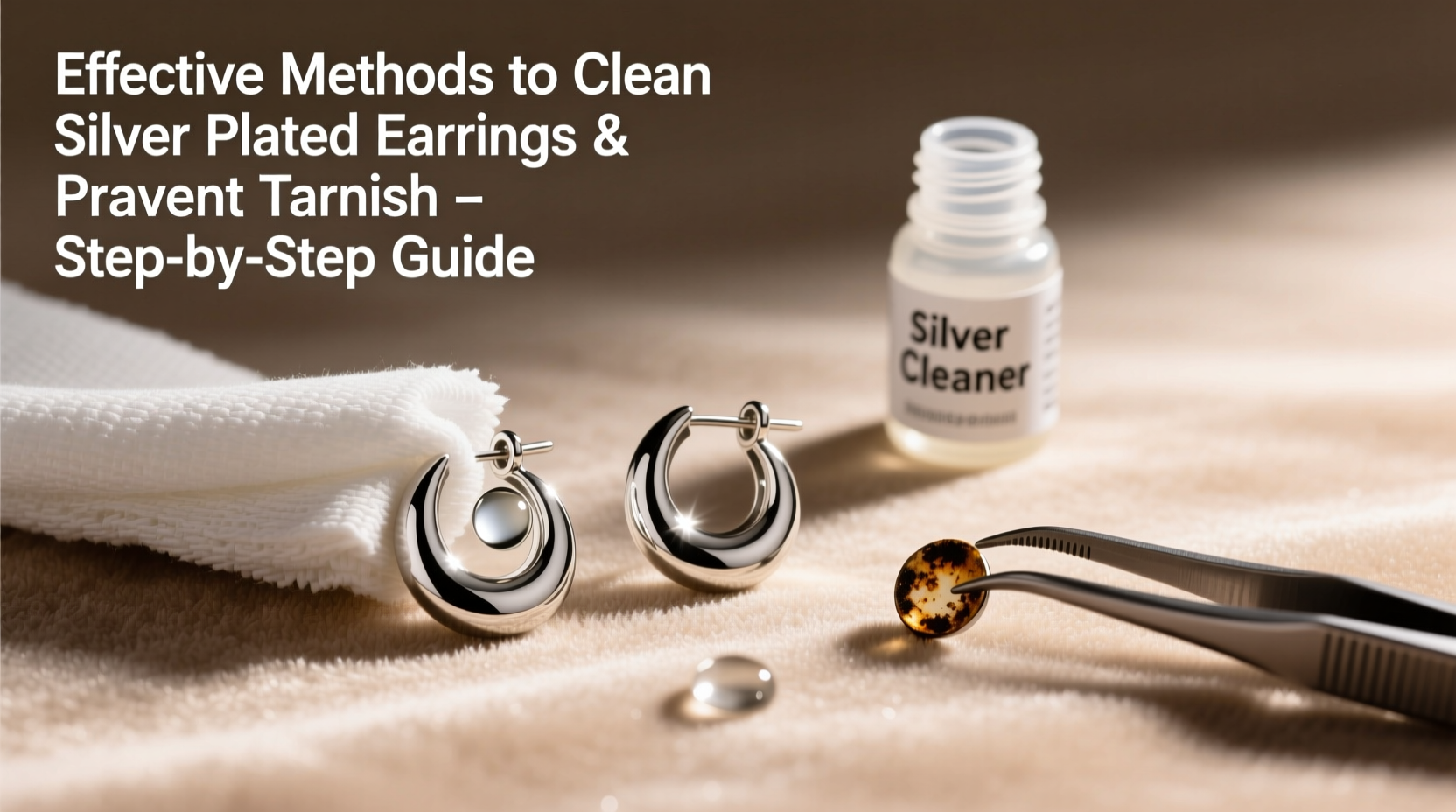
Silver plating involves coating a base metal—often brass or copper—with a thin layer of pure silver through electroplating. While visually indistinguishable from solid silver, this outer layer is vulnerable. Over time, exposure to oxygen, humidity, cosmetics, sweat, and pollutants causes tarnish, appearing as dullness, yellowing, or dark spots.
Tarnish is not corrosion; it’s a surface-level sulfide layer that can be safely removed without damaging the underlying metal—if handled correctly. Because the silver layer is so thin, abrasive cleaners, harsh scrubbing, or prolonged soaking can strip it away permanently. That’s why choosing non-abrasive, pH-balanced cleaning methods is essential for long-term preservation.
“Silver-plated jewelry requires more caution than solid silver. A single aggressive polish can compromise years of wear.” — Lydia Chen, Jewelry Conservator at the Metropolitan Museum of Art
Step-by-Step Guide: Safe Cleaning Methods
Cleaning silver plated earrings doesn’t require expensive products or professional tools. Most effective methods use household items and take less than 15 minutes. Below is a detailed timeline for restoring shine without damage.
- Remove debris gently: Use a soft cotton swab dipped in lukewarm water to wipe around posts, backs, and crevices. Avoid submerging earrings with glued elements (e.g., enamel or stones).
- Prepare a mild cleaning solution: Mix one tablespoon of baking soda with two tablespoons of distilled water to form a paste. Alternatively, use a few drops of mild dish soap in warm water.
- Apply with care: Dip a microfiber cloth or soft-bristled toothbrush into the solution. Gently rub the surface in circular motions, focusing on tarnished areas. Never scrub vigorously.
- Rinse and dry: Wipe with a damp cloth to remove residue. Immediately pat dry with a lint-free towel. Air drying can leave water spots or encourage re-tarnishing.
- Buff lightly: Use a separate dry microfiber cloth to bring out a soft shine. Do not use paper towels or tissues—they may scratch.
Alternative Cleaning Techniques
While the baking soda paste method is widely recommended, several other safe options exist depending on the level of tarnish and earring design.
Aluminum Foil & Baking Soda Bath (For Non-Glued Pieces)
This electrochemical method lifts tarnish without direct contact. It’s ideal for simple studs or hoops without adhesive components.
- Line a bowl with aluminum foil, shiny side up.
- Add one cup boiling water, one tablespoon baking soda, and one teaspoon salt.
- Place earrings in the solution, ensuring contact with the foil.
- Wait 5–10 minutes. Remove, rinse under cool water, and dry thoroughly.
Note: This method should be used sparingly—no more than once every few months—to avoid weakening the plating bond.
Commercial Jewelry Polishes
Some polishes are specifically formulated for plated metals. Look for labels stating “safe for silver plate” or “non-abrasive.” Apply with a cotton pad, never directly spray onto jewelry. Brands like Weiman and Hagerty offer suitable options.
Avoid These Methods
- Dipping solutions (like liquid dips) – too harsh for thin plating.
- Toothpaste – contains abrasives that scratch surfaces.
- Ultrasonic cleaners – vibrations can loosen plating or damage earring posts.
- Vinegar and lemon juice – acidic and can erode the silver layer over time.
Preventive Care: How to Keep Tarnish at Bay
Cleaning is only half the battle. Preventing tarnish reduces wear on the silver layer and maintains appearance between uses.
Storage Best Practices
Exposure to air and humidity accelerates oxidation. Store earrings properly to minimize contact with environmental triggers.
| Do | Don’t |
|---|---|
| Store in anti-tarnish pouches or ziplock bags with a silica gel packet | Leave earrings exposed on open trays or bathroom counters |
| Keep in a cool, dry drawer away from sunlight | Store in humid environments like bathrooms |
| Use individual compartments to prevent scratching | Let earrings clump together in a tangled pile |
Wearing Habits That Matter
Put on earrings after applying makeup, perfume, and hairspray. These products contain chemicals that accelerate tarnishing. Similarly, remove earrings before swimming, showering, or exercising to avoid prolonged exposure to chlorine, sweat, and moisture.
Mini Case Study: Reviving Heirloom Earrings
Maria inherited a pair of vintage silver plated hoop earrings from her grandmother. Stored in a cardboard box for over a decade, they arrived blackened and dull. Afraid of causing damage, she avoided commercial cleaners. Instead, she followed the aluminum foil bath method once, then used a baking soda paste for spot treatment. After drying and storing them in a sealed bag with a desiccant, the earrings regained most of their original shine. She now wears them monthly and cleans them only when necessary, keeping them protected between uses. Her experience highlights how gentle, informed care can revive even heavily tarnished pieces without stripping the plating.
Jewelry Care Checklist
Follow this checklist monthly to maintain your silver plated earrings:
- ✔ Inspect for early signs of tarnish (dullness or discoloration)
- ✔ Clean using a soft cloth and mild solution if needed
- ✔ Check earring backs and posts for buildup or grime
- ✔ Replace worn silicone backs to prevent metal-to-skin contact
- ✔ Refresh storage with new desiccant packets
- ✔ Rotate wear to reduce frequent exposure to skin oils
Frequently Asked Questions
Can I use a polishing cloth on silver plated earrings?
Yes, but only if it’s labeled for plated metals. Standard silver polishing cloths may be too abrasive. Opt for ultra-soft cloths impregnated with tarnish inhibitors, and buff gently.
How often should I clean my silver plated earrings?
Clean only when visibly tarnished or after heavy wear—typically every 4–8 weeks. Over-cleaning wears down the silver layer. Regular wiping with a dry microfiber cloth after use can reduce the need for deep cleaning.
Why do my earrings tarnish so quickly?
Rapid tarnishing is usually due to high humidity, exposure to cosmetics, or improper storage. Skin chemistry also plays a role—higher acidity or sweat levels can accelerate oxidation. Consider switching storage locations or wearing gloves when applying skincare products.
Final Thoughts
Preserving silver plated earrings isn’t about perfection—it’s about consistency and care. By understanding the limits of the plating and respecting its sensitivity, you can enjoy radiant, elegant accessories for years. Gentle cleaning, smart storage, and mindful wearing habits make all the difference. Don’t wait until tarnish takes over; build small protective routines into your daily life.




 浙公网安备
33010002000092号
浙公网安备
33010002000092号 浙B2-20120091-4
Comments
No comments yet. Why don't you start the discussion?