
Orange juice is a breakfast staple, but when spilled on clothing, its vibrant color and natural sugars can leave behind stubborn stains. The good news: with prompt action and the right techniques, these stains can be removed effectively—even from delicate fabrics—without compromising the integrity of the fabric. Whether it's a cotton shirt, a silk blouse, or a child’s school uniform, understanding how to treat orange juice stains properly prevents permanent discoloration and extends garment life.
The key lies in treating the stain while it's fresh, choosing appropriate cleaning agents based on fabric type, and avoiding common mistakes that set stains deeper into fibers. Below are proven strategies backed by textile care experts and real-world laundry experience.
Understanding Orange Juice Stains
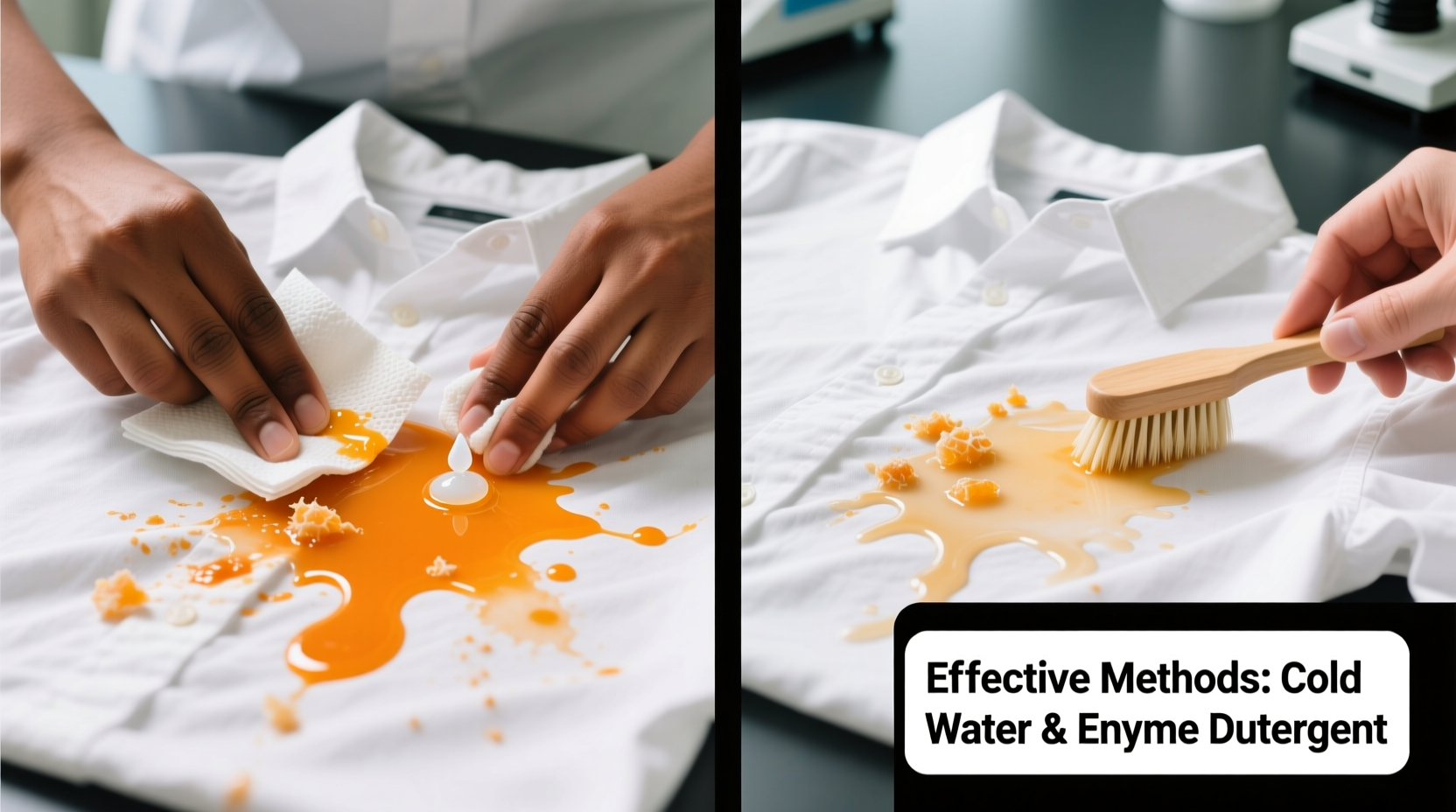
Orange juice contains citric acid, natural pigments (carotenoids), and sugars—all of which contribute to staining. When spilled, the liquid quickly penetrates fabric fibers. Over time, oxidation and heat (from washing or drying) can cause the stain to set permanently, especially if treated incorrectly.
Fresh stains are water-soluble and easier to lift. However, once dried or exposed to heat, they become more challenging. Immediate attention significantly increases your chances of complete removal.
Step-by-Step Guide to Removing Fresh Orange Juice Stains
Acting quickly is crucial. Follow this timeline-based method for best results on washable fabrics like cotton, polyester, and blends:
- Blot Immediately: Use a clean, dry paper towel or cloth to absorb as much juice as possible. Press down; don’t wipe.
- Rinse with Cold Water: Hold the stained area under cold running water from the back of the stain to push residue out. Warm or hot water can set the stain.
- Apply a Mild Detergent: Use a small amount of liquid laundry detergent directly on the stain. Gently work it in with your fingers or a soft brush.
- Soak for 15–30 Minutes: Submerge the garment in a basin of cold water mixed with detergent. For tougher stains, add one tablespoon of baking soda.
- Check Before Washing: If the stain persists, repeat the pre-treatment before machine washing.
- Wash Normally: Launder using the care label’s recommended cycle and temperature. Do not use bleach unless specified safe for the fabric.
- Air Dry: After washing, air-dry the garment. Heat from a dryer can lock in any remaining stain particles. Inspect the area before placing in the dryer.
If the stain remains after air drying, repeat the process before attempting stronger solutions.
Treatment Methods for Set or Stubborn Stains
For stains that have dried or been washed incorrectly, more targeted treatments are needed. Always test any solution on an inconspicuous area first (like an inside seam) to check for colorfastness.
Hydrogen Peroxide Solution (for whites and colorfast fabrics)
Mix equal parts of 3% hydrogen peroxide and water. Apply to the stain and let sit for 10 minutes. Rinse thoroughly and launder. Hydrogen peroxide acts as a gentle bleaching agent and breaks down organic compounds in the juice.
Vinegar and Dish Soap Combo
Create a mixture of one tablespoon white vinegar, one tablespoon dish soap (like Dawn), and two cups of cold water. Soak the garment for up to one hour. The vinegar helps neutralize odors and loosen pigments, while dish soap cuts through sugar residues.
Baking Soda Paste (for thick or sugary residues)
Make a paste with baking soda and a little water. Apply it directly to the stain and let sit for 30 minutes before rinsing. This method works well when the juice has left a sticky film.
“Time is your biggest ally when dealing with fruit stains. The longer you wait, the more the sugars bind to fibers. Immediate cold water flushing is still the most effective first step.” — Dr. Linda Harper, Textile Chemist, University of Georgia
Special Considerations by Fabric Type
Different materials react differently to cleaning agents. Using the wrong method can lead to fading, shrinking, or fiber damage. Refer to the table below for fabric-specific guidance:
| Fabric Type | Recommended Method | Avoid |
|---|---|---|
| Cotton | Pre-treat with detergent, soak in cold water, use hydrogen peroxide if needed | Hot water before stain removal, chlorine bleach on colored fabrics |
| Polyester & Blends | Blot, rinse, apply dish soap, machine wash cold | High heat drying before stain is gone |
| Silk | Blot only; sponge with diluted white vinegar (1:3 with water); professional cleaning advised | Hydrogen peroxide, rubbing alcohol, wringing |
| Wool | Rinse with cold water, use mild wool detergent, lay flat to dry | Aggressive scrubbing, heat, alkaline cleaners |
| Rayon | Blot, rinse with cold water, use enzyme-based stain remover | Wringing, soaking too long, heat exposure |
Mini Case Study: Removing a Set Stain from a Child’s Uniform
Sarah, a parent from Portland, spilled orange juice on her daughter’s white polyester-cotton blend school dress during breakfast. The stain was noticed only after the dress had been in the laundry hamper for two days. She initially washed it in warm water, which set the yellow-orange mark.
Upon advice from a local dry cleaner, she re-treated the garment: she soaked it for 45 minutes in a solution of cold water, oxygen-based bleach (OxiClean), and a few drops of dish soap. After thorough rinsing, she washed it again in cold water without drying. The stain lightened significantly. A second soak followed by air drying fully removed the residue. Sarah now keeps a dedicated stain treatment kit in her laundry room and always checks pockets and collars before washing.
Checklist: How to Remove Orange Juice Stains Safely
- ✅ Blot excess juice immediately with a clean cloth
- ✅ Rinse under cold running water from the back of the stain
- ✅ Test any cleaning solution on a hidden area first
- ✅ Pre-treat with liquid laundry detergent or stain remover
- ✅ Soak in cold water with appropriate additive (detergent, vinegar, OxiClean)
- ✅ Wash in cold water using regular cycle
- ✅ Air-dry and inspect before using dryer
- ✅ Repeat treatment if necessary before applying heat
FAQ
Can I use bleach to remove orange juice stains?
Only on white, bleach-safe fabrics. Chlorine bleach can degrade fibers and cause yellowing over time. For colored clothes, use oxygen-based bleach (like OxiClean) instead, which is gentler and effective on organic stains.
What if the stain turns yellow after washing?
Yellowing usually means the stain was heat-set during drying. Rewash using oxygen bleach in cold water and avoid the dryer until the stain is gone. Avoid ammonia-based products, as they can react with citrus residues and worsen discoloration.
Are store-bought stain removers better than home remedies?
Many commercial products contain enzymes that break down proteins and sugars in fruit juices. They can be effective, but DIY solutions like vinegar, baking soda, and hydrogen peroxide often work just as well—and at a lower cost. Always follow fabric care instructions regardless of the product used.
Conclusion
Removing orange juice stains doesn’t require expensive products or professional help—in most cases, quick thinking and household items are enough. The foundation of success lies in immediate action, using cold water, and avoiding heat until the stain is fully gone. By understanding fabric types and choosing the right method, you can preserve your clothes’ appearance and longevity.




 浙公网安备
33010002000092号
浙公网安备
33010002000092号 浙B2-20120091-4
Comments
No comments yet. Why don't you start the discussion?