
Dining table tablecloths serve both functional and aesthetic purposes. They protect your furniture from spills and scratches while enhancing the visual appeal of your meals. However, frequent use exposes them to food stains, grease, wine, and daily wear. Without proper care, even high-quality linens can lose their luster, develop odors, or become permanently stained. Maintaining pristine tablecloths requires more than occasional washing—it demands a consistent routine, attention to fabric type, and smart storage. This guide provides practical, expert-backed strategies to deep clean and preserve your table linens so they remain elegant and hygienic for years.
Understanding Fabric Types and Care Labels
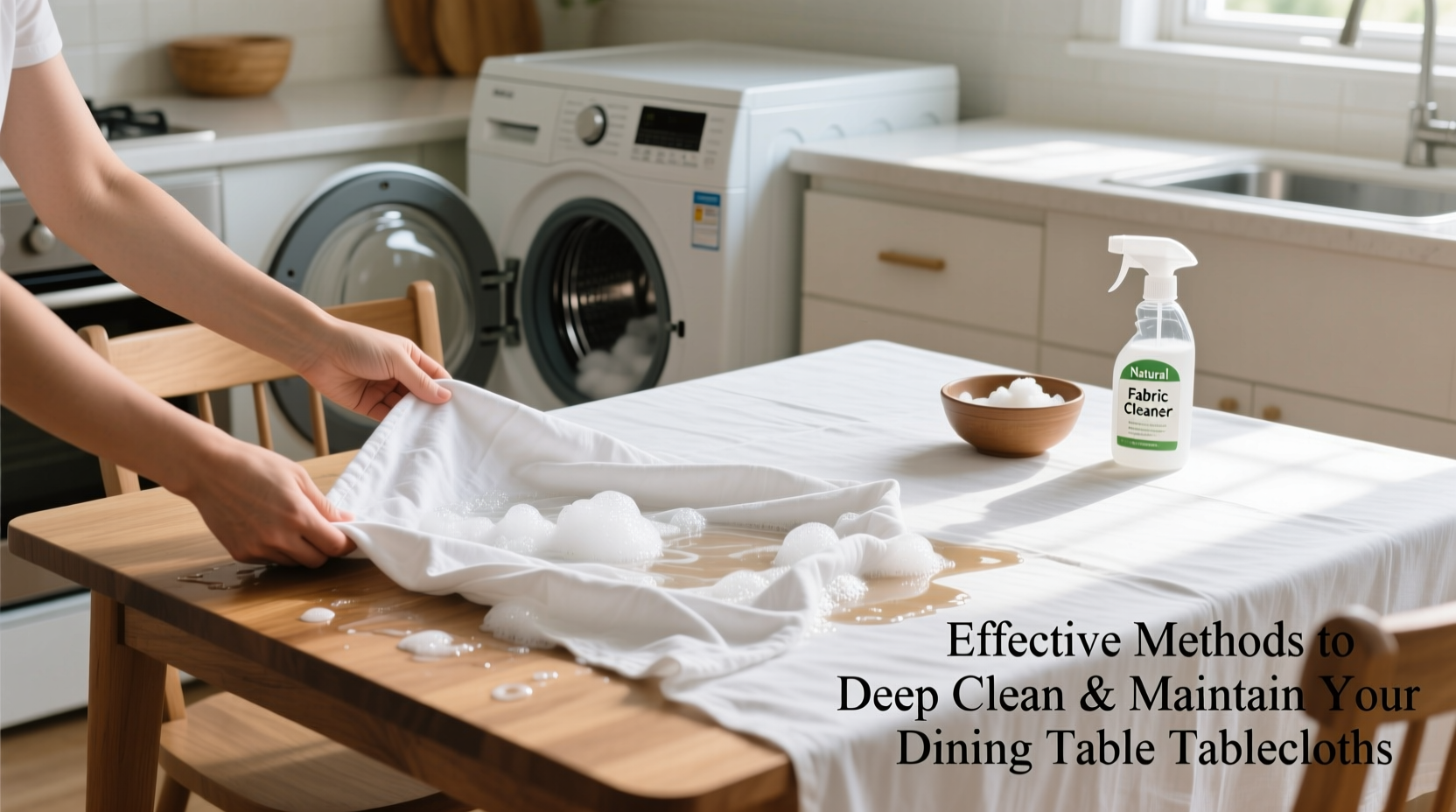
Not all tablecloths are created equal. The cleaning method you choose must align with the material. Common fabrics include cotton, linen, polyester blends, and silk or satin for formal settings. Each reacts differently to water temperature, detergents, and drying techniques.
Cotton and linen are durable but prone to wrinkling and shrinkage if washed in hot water. Polyester blends resist wrinkles and dry quickly but may trap odors if not thoroughly rinsed. Delicate fabrics like silk require hand washing or professional cleaning. Always check the care label before beginning any cleaning process. Ignoring these instructions can lead to irreversible damage such as shrinking, pilling, or color bleeding.
Step-by-Step Deep Cleaning Process
A thorough deep clean restores brightness and eliminates embedded grime. Follow this timeline for optimal results:
- Pre-Treat Stains (15–30 minutes): Identify spots—wine, oil, coffee, or food residue—and apply a stain remover or paste of baking soda and water. Let sit without drying out.
- Shake and Vacuum (5 minutes): For heavy linens used frequently, gently shake outdoors or use a soft brush attachment on your vacuum to remove crumbs and dust.
- Soak (1–2 hours): Fill a bathtub with lukewarm water and add oxygen-based bleach (like OxiClean) for whites or color-safe versions for colored cloths. Avoid chlorine bleach unless specified.
- Wash (Machine or Hand): Use a gentle cycle with mild detergent. Do not overload the machine. For delicate fabrics, hand wash using cool water and minimal agitation.
- Rinse Thoroughly: Ensure all soap is removed, as residue attracts dirt and causes yellowing over time.
- Dry Properly: Air-dry flat or hang in indirect sunlight to prevent fading. If using a dryer, select low heat only for cotton or blends that tolerate it.
- Iron While Slightly Damp: Linen and cotton benefit from ironing when just damp to reduce effort and achieve a crisp finish.
Do’s and Don’ts by Fabric Type
| Fabric | Do’s | Don’ts |
|---|---|---|
| Cotton | Wash in warm water; use oxygen bleach; iron at high heat | Avoid high-heat drying; don’t mix with lint-producing items |
| Linen | Soak before washing; air-dry; iron on medium-high | Never wring; avoid prolonged sun exposure during drying |
| Polyester Blend | Machine wash cool; tumble dry low; resistant to most stains | Don’t use fabric softener—it reduces absorbency and builds residue |
| Silk/Satin | Hand wash or dry clean; store flat; use padded hangers if hung | Avoid water immersion unless necessary; never bleach |
Maintaining Freshness Between Uses
Even when stored, tablecloths can accumulate musty smells or attract pests. Regular maintenance prevents long-term damage. After each use, shake the cloth vigorously to dislodge crumbs and debris. If minor spills occurred, blot immediately and allow the fabric to air out for a few hours before folding.
For tablecloths used weekly, rotate between two or three sets to reduce wear and allow complete rest between washes. Store in a cool, dry closet away from direct sunlight. Avoid plastic bags, which trap moisture and encourage mildew. Instead, fold neatly and place inside breathable cotton storage bags or drawers lined with acid-free tissue paper, especially for heirlooms.
“Proper rotation and airing after use can extend a tablecloth’s life by up to five years,” says Maria Thompson, textile preservation specialist at Heritage Linens. “Many people overlook how environmental factors like humidity and light degrade fibers over time.”
Mini Case Study: Reviving a Vintage Linen Tablecloth
Sarah inherited a set of embroidered linen tablecloths from her grandmother. Stored in an attic trunk for decades, they emerged yellowed and stiff. Rather than discarding them, she followed a restoration process: first, she aired them outside for a day to dissipate mustiness. Then, she soaked each cloth overnight in cold water with a scoop of oxygen bleach. After a gentle hand wash and rinse, she laid them flat on clean towels to dry, reshaping edges carefully. Once dry, she ironed them with steam and stored them in a cedar-lined drawer with lavender sachets. The result? A fully revived set now used during holiday gatherings—a cherished family tradition reborn.
Checklist: Monthly Tablecloth Maintenance Routine
- Inspect all stored linens for signs of mold, pests, or yellowing
- Rotate usage among available tablecloths
- Air out each piece for 30 minutes, even if unused
- Vacuum storage drawers or shelves
- Replace desiccant packs or refresh cedar blocks
- Re-fold along different creases to prevent permanent lines
- Check for loose threads or embroidery damage
Common Mistakes That Damage Tablecloths
Many well-intentioned efforts backfire due to misinformation. One common error is using hot water on mixed-fiber cloths, causing shrinkage or distortion. Another is overloading the washing machine, which leads to excessive friction and pilling. Skipping pre-treatment allows stains to set permanently. Some homeowners also neglect to wash new linens before first use—factory finishes can contain sizing agents that repel liquids and make future cleaning harder.
Perhaps the most overlooked mistake is improper folding. Repeatedly folding along the same lines creates weak points and deep creases that are difficult to iron out. Refold periodically along alternate seams to distribute stress evenly across the fabric.
FAQ
How often should I deep clean my tablecloths?
Deep clean after every 3–5 uses, or immediately after major spills involving grease, wine, or acidic foods. For decorative or seasonal linens, perform a deep clean before and after storage periods.
Can I use vinegar to clean tablecloths?
Yes, white vinegar is excellent for removing odors and mineral buildup. Add one cup to the rinse cycle for cotton or linen. Avoid using vinegar on silk or waxed linens, as it may weaken fibers or remove finishes.
Why do my white tablecloths turn gray over time?
Gray discoloration usually results from insufficient rinsing, mixing with dark-colored laundry, or using too much detergent. Residue builds up and traps dirt. To restore brightness, soak in a solution of warm water and oxygen-based bleach, then rinse thoroughly.
Conclusion
Preserving the beauty and functionality of your dining table tablecloths doesn’t require expensive products or complicated rituals. It hinges on understanding your fabrics, responding promptly to spills, and following a disciplined care routine. Whether you own everyday cotton weaves or heirloom lace-edged linens, consistent attention pays off in longevity and presentation. Clean, well-maintained tablecloths elevate every meal, turning ordinary dinners into refined experiences.




 浙公网安备
33010002000092号
浙公网安备
33010002000092号 浙B2-20120091-4
Comments
No comments yet. Why don't you start the discussion?