
Remote control holders are often overlooked in household cleaning routines, yet they accumulate dust, oils from hands, and bacteria over time. Positioned within easy reach on sofas or bedside tables, these small storage units come into frequent contact with skin, food crumbs, and environmental debris. Without proper care, they can become breeding grounds for germs and develop unpleasant odors. A well-maintained remote control holder not only enhances the appearance of your living space but also contributes to a healthier home environment. This guide outlines practical, science-backed techniques to deep clean and preserve your holder’s condition—regardless of material—ensuring long-term freshness and functionality.
Understanding Common Materials and Their Needs
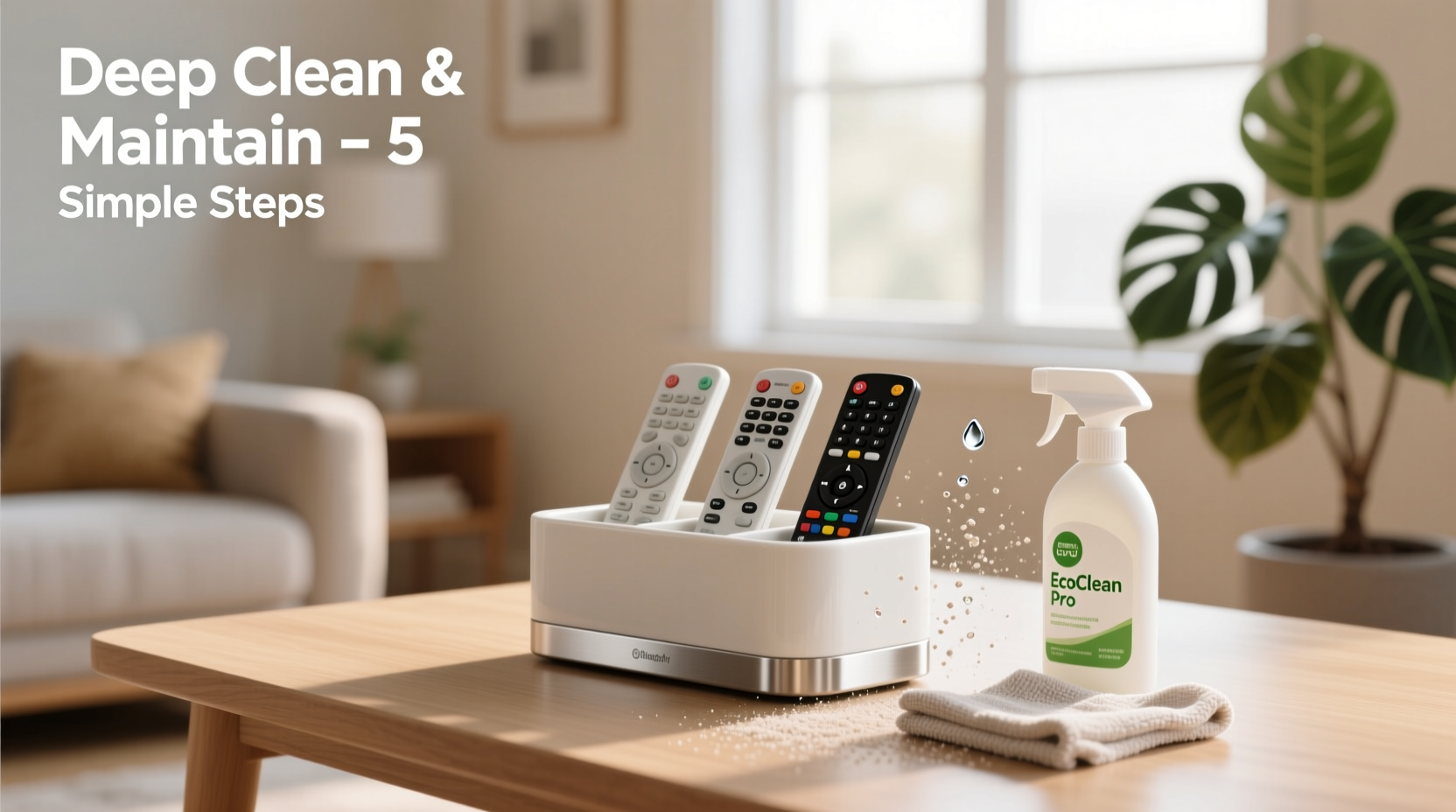
Remote control holders come in a variety of materials, each requiring specific cleaning approaches. The most common types include fabric (such as cotton, microfiber, or felt), synthetic leather, genuine leather, plastic, and wood. Using the wrong cleaning method can damage surfaces, cause discoloration, or degrade structural integrity.
Fabric holders absorb moisture and odors easily, making them prone to mildew if not dried properly. Synthetic and genuine leather resist spills better but may crack if exposed to harsh chemicals. Plastic is durable but can yellow over time due to UV exposure or improper cleaners. Wooden holders, while stylish, are sensitive to excess moisture and require conditioning to prevent warping.
Step-by-Step Deep Cleaning Process
A thorough cleaning should be performed every 3–4 months, or more frequently in high-use environments like homes with children or pets. Follow this timeline-based approach for optimal results:
- Empty and inspect: Remove all remotes and check for crumbs, dust buildup, or trapped debris inside compartments.
- Dry brushing: Use a soft-bristle brush or dry microfiber cloth to remove surface dust and loose particles.
- Spot test: Apply a small amount of cleaner on an inconspicuous area to ensure no discoloration or damage occurs.
- Clean according to material: Refer to the table below for appropriate solutions and tools.
- Rinse or wipe residue: For damp methods, use a clean, slightly damp cloth to remove cleaning agent traces.
- Dry completely: Air-dry away from direct sunlight or heat sources to prevent warping or fading.
- Deodorize: Sprinkle baking soda on fabric holders, let sit for 15 minutes, then vacuum thoroughly.
Recommended Cleaning Solutions by Material
| Material | Cleaning Solution | Tools Needed | Frequency |
|---|---|---|---|
| Fabric (Cotton/Microfiber) | Mild detergent + warm water | Soft brush, cloth, handheld vacuum | Every 3 months |
| Synthetic Leather | Diluted dish soap or specialized vinyl wipe | Microfiber cloth | Monthly |
| Genuine Leather | Leather-specific cleaner + conditioner | Lint-free cloth | Every 4–6 months |
| Plastic | Isopropyl alcohol (70%) or all-purpose spray | Sponge, dry towel | Monthly |
| Wood | Damp cloth + beeswax polish | Cotton cloth | Every 6 months |
“High-touch surfaces like remote holders can harbor up to 10 times more bacteria than a toilet seat. Regular disinfection is essential.” — Dr. Lena Patel, Environmental Health Specialist
Preventative Maintenance Strategies
Deep cleaning is crucial, but daily habits significantly extend the interval between intensive sessions. Implementing preventative measures reduces wear and maintains hygiene with minimal effort.
- Wipe down the exterior weekly with a dry or slightly damp microfiber cloth.
- Keep food and drinks away from the holder to avoid spills and attractants for pests.
- Use removable liners or silicone inserts that can be washed separately.
- Avoid placing the holder in direct sunlight to prevent fading and material breakdown.
- Rotate or flip fabric covers if designed for reversible use to distribute wear evenly.
Real Example: Reviving a Neglected Fabric Holder
In a recent case study conducted in a suburban household, a microfiber remote control caddy had not been cleaned for over a year. It was used daily by four family members and stored on a sofa near snack areas. Visible stains, a musty smell, and embedded popcorn kernels were present upon inspection.
The owner followed the deep-cleaning protocol: first vacuuming thoroughly, then spot-treating stains with a mix of oxygen bleach and water. After air-drying for 24 hours, the holder was refreshed with a light application of fabric deodorizer. Post-cleaning, the item looked visibly cleaner, smelled neutral, and regained its original texture. The family reported improved satisfaction with their living room aesthetics and committed to a quarterly cleaning schedule moving forward.
Essential Do’s and Don’ts
| Do’s | Don’ts |
|---|---|
| Use pH-balanced cleaners for delicate materials | Submerge wooden or glued components in water |
| Allow full drying before reuse | Use abrasive scrubbers on synthetic surfaces |
| Vacuum crevices regularly | Apply undiluted bleach or ammonia-based products |
| Condition leather twice a year | Expose plastic to high heat during drying |
| Store in ventilated areas | Ignore mold or persistent odors |
FAQ
Can I machine wash my fabric remote control holder?
Only if the manufacturer explicitly states it's machine-washable. Most non-removable fabric holders should be hand-cleaned to prevent structural damage. If washing is permitted, use cold water and a gentle cycle, then air-dry flat.
How do I remove stubborn odors from a plastic holder?
Wipe the interior with a solution of equal parts white vinegar and water. Let it sit for 5 minutes, then rinse with a damp cloth and dry completely. For lingering smells, place an open box of baking soda nearby overnight.
Is it safe to use alcohol wipes on electronic storage compartments?
Yes, but only on hard, non-porous surfaces like plastic or metal. Avoid letting liquid seep into seams or openings where electronics might be stored. Use 70% isopropyl alcohol and apply lightly with a cloth rather than directly spraying.
Final Checklist for Lasting Freshness
- Empty the holder and remove all debris.
- Brush or vacuum all surfaces, including corners and slots.
- Select the correct cleaning solution based on material.
- Clean gently using recommended tools and techniques.
- Wipe away any residue and allow complete air drying.
- Deodorize naturally with baking soda or activated charcoal.
- Reassemble and return remotes only when fully dry.
- Schedule the next cleaning session in your calendar.
Conclusion
Maintaining a fresh, clean remote control holder is a simple yet impactful habit that enhances both hygiene and home organization. With regular attention and the right methods, even high-use holders can remain odor-free, visually appealing, and functional for years. The key lies in matching your cleaning technique to the material, staying consistent with maintenance, and addressing issues before they escalate. Small efforts today prevent larger problems tomorrow.




 浙公网安备
33010002000092号
浙公网安备
33010002000092号 浙B2-20120091-4
Comments
No comments yet. Why don't you start the discussion?