
Textured iPhone cases are popular for their enhanced grip, stylish patterns, and resistance to fingerprints. However, the very grooves and ridges that make them functional also trap dirt, oils, and bacteria over time. Without proper care, these cases can become discolored, sticky, or even harbor germs. Unlike smooth silicone or hard plastic cases, textured surfaces require more deliberate cleaning techniques to reach every crevice. This guide provides actionable, science-backed methods to deep clean and preserve your textured iPhone case, ensuring it remains both functional and visually appealing.
Why Textured Cases Need Special Attention
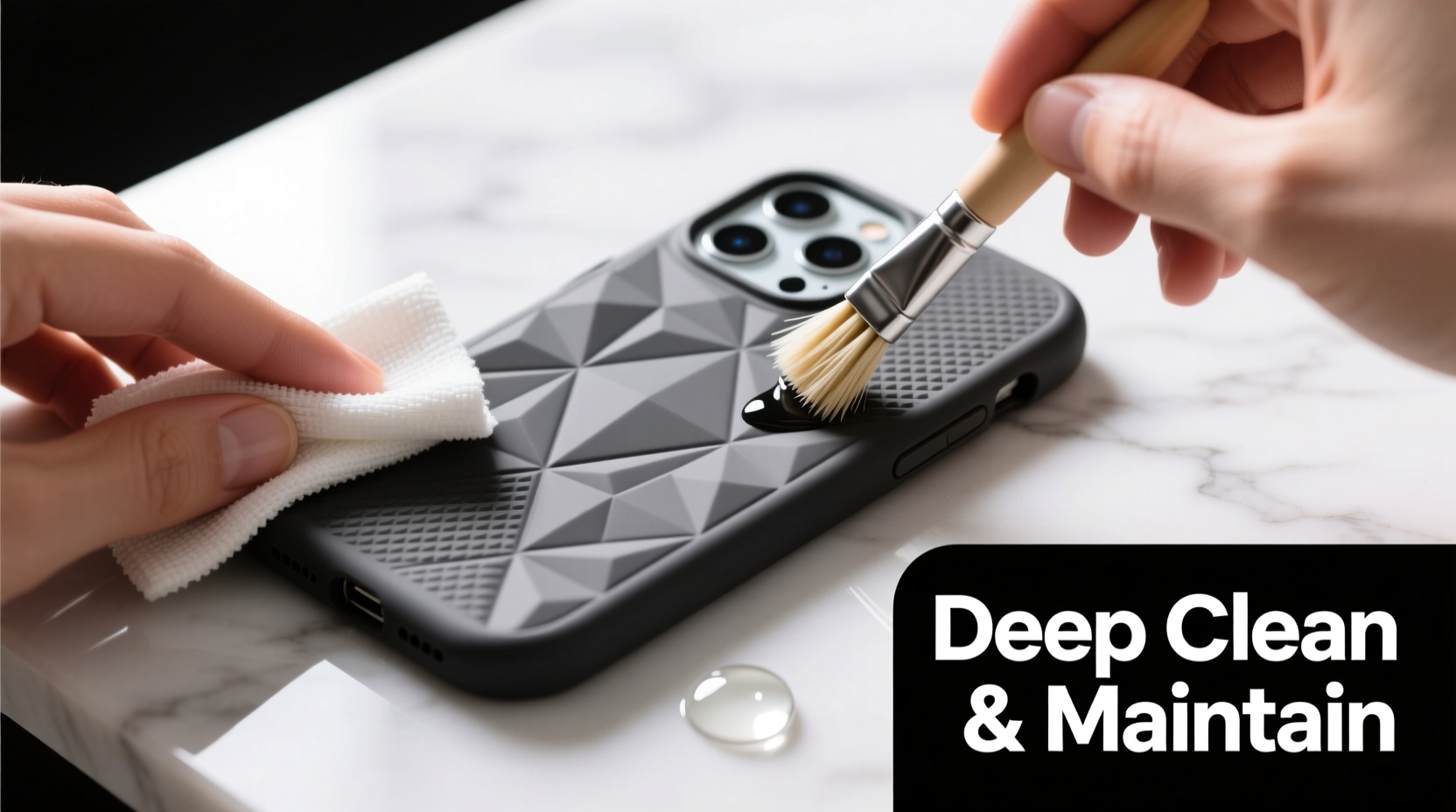
The design of textured cases—whether ribbed, dotted, woven, or geometric—creates micro-surfaces where skin oils, pocket lint, dust, and environmental grime accumulate. These contaminants not only dull the appearance but can degrade the material over time, especially if made from TPU (thermoplastic polyurethane), which is common in flexible cases. Prolonged exposure to sweat and oils can cause yellowing or softening, while trapped debris can compromise structural integrity.
Regular wiping with a dry cloth may remove surface dust but fails to penetrate textured zones. A thorough cleaning regimen is essential to prevent long-term damage and maintain hygiene—especially important given how frequently phones are handled and placed on various surfaces.
“Many users don’t realize that phone cases can harbor more bacteria than a toilet seat. Textured designs amplify this risk due to increased surface area and hidden pockets.” — Dr. Lena Torres, Microbiologist & Tech Hygiene Researcher
Step-by-Step Guide: How to Deep Clean Your Textured iPhone Case
A successful deep clean involves careful disassembly, targeted scrubbing, and proper drying. Follow this timeline-based method for optimal results:
- Remove the case from your iPhone – Power off the device first and gently slide the case off to avoid scratching the phone.
- Rinse under lukewarm water – Hold the case under running tap water to loosen loose debris. Avoid hot water, which can warp certain plastics.
- Prepare a cleaning solution – Mix a few drops of mild dish soap with warm water in a small bowl. Do not use harsh detergents or bleach.
- Scrub with a soft-bristle brush – Use an old toothbrush or detailing brush to work the soapy solution into every groove. Focus on corners and raised patterns where grime collects.
- Tackle stubborn stains with baking soda paste – For yellowing or embedded dirt, apply a paste of baking soda and water. Gently scrub in circular motions, then rinse thoroughly.
- Disinfect safely – Wipe down with 70% isopropyl alcohol using a cotton swab or microfiber cloth. Let sit for 30 seconds before rinsing if desired (optional for high-touch environments).
- Air-dry completely – Place the case on a clean towel in a well-ventilated area, away from direct sunlight. Allow at least 4–6 hours to dry fully before reattaching.
Do’s and Don’ts of Textured Case Maintenance
| Do’s | Don’ts |
|---|---|
| Clean every 2–3 weeks with mild soap and water | Use abrasive cleaners like acetone or window spray |
| Use a soft brush to access textured areas | Soak the case in water for extended periods |
| Disinfect weekly with alcohol wipes (70% IPA) | Expose to direct sunlight or car dashboards |
| Rotate between two cases to reduce wear | Machine wash or put in dishwasher |
| Store in a cool, dry place when not in use | Leave inside pockets with keys or coins that scratch |
Maintenance Checklist for Long-Term Care
- ✅ Remove case weekly for quick inspection and wipe-down
- ✅ Clean with soap and water every 2–3 weeks
- ✅ Disinfect high-contact zones (edges, buttons) with alcohol swabs
- ✅ Check for cracks, warping, or persistent stickiness
- ✅ Replace if discoloration cannot be removed or structure weakens
- ✅ Store in a breathable pouch when rotating cases
Real Example: Reviving a Year-Old Silicone Textured Case
Jamal had used the same black textured silicone case for nearly 11 months. Though durable, it had developed a faint yellow tint along the edges and felt slightly tacky when touched. After noticing a lingering odor after washing hands, he decided to deep clean it. Following the step-by-step method above, he scrubbed the case with a toothbrush and baking soda paste, focusing on the diamond-patterned back. After a 5-minute soak in soapy water and thorough rinsing, he wiped it with 70% isopropyl alcohol. Once air-dried overnight, the case looked noticeably brighter and felt crisp again. Jamal now rotates between two cases monthly and reports both last longer and feel cleaner.
When to Replace vs. Restore
Not all cases can be saved. While cleaning extends lifespan, some signs indicate it’s time for replacement:
- Persistent stickiness – Even after deep cleaning, a gummy texture suggests material breakdown.
- Cracks or peeling – Especially around corners or camera cutouts, indicating structural fatigue.
- Fading or permanent staining – Baking soda and soap won’t reverse UV damage or chemical exposure.
- Loose fit – If the case no longer snaps snugly onto the phone, protection is compromised.
Experts recommend replacing textured cases every 6–12 months with regular use. High-quality brands may last longer, but hygiene and safety should take precedence over aesthetics.
Frequently Asked Questions
Can I use vinegar to clean my textured iPhone case?
Vinegar is mildly acidic and can help remove odors, but it's not recommended for frequent use on TPU or silicone. Over time, acidity may degrade elastic properties and cause brittleness. Stick to mild dish soap or isopropyl alcohol for safer, consistent results.
Is it safe to clean a case with glitter or embedded elements?
Glitter cases often have loose particles sealed between layers. Avoid soaking or scrubbing aggressively, as moisture can seep in and cause clouding or separation. Instead, gently wipe with a damp microfiber cloth and disinfect lightly with alcohol—never submerge.
How can I prevent my black textured case from turning yellow?
Yellowing is typically caused by UV exposure, skin oils, and oxidation of low-grade TPU. To slow this process: avoid leaving the phone in direct sunlight, clean regularly, and consider investing in UV-resistant or anti-yellowing materials like matte-finish polycarbonate hybrids.
Final Thoughts: Small Habits, Big Impact
Keeping a textured iPhone case clean isn’t just about appearance—it’s about maintaining grip, hygiene, and device protection. The grooves that give you better control also demand more attention. With a simple routine of biweekly cleaning, weekly disinfection, and mindful storage, your case can perform like new for months. Material quality matters, but consistent care makes the real difference. Don’t wait until your case feels grimy or looks dull. Start today, and build habits that protect both your phone and your health.




 浙公网安备
33010002000092号
浙公网安备
33010002000092号 浙B2-20120091-4
Comments
No comments yet. Why don't you start the discussion?