
Transparent PVC backpacks have surged in popularity for their modern aesthetic, practical visibility, and versatility across travel, work, and fashion settings. However, their see-through nature also makes every fingerprint, dust particle, and smudge glaringly obvious. Unlike fabric or leather bags, PVC requires specific care to prevent clouding, yellowing, and surface degradation. With the right cleaning routine and maintenance habits, you can keep your transparent backpack looking pristine for years. This guide delivers actionable, tested methods to deep clean and preserve your PVC bag’s clarity and structural integrity.
The Importance of Regular Maintenance
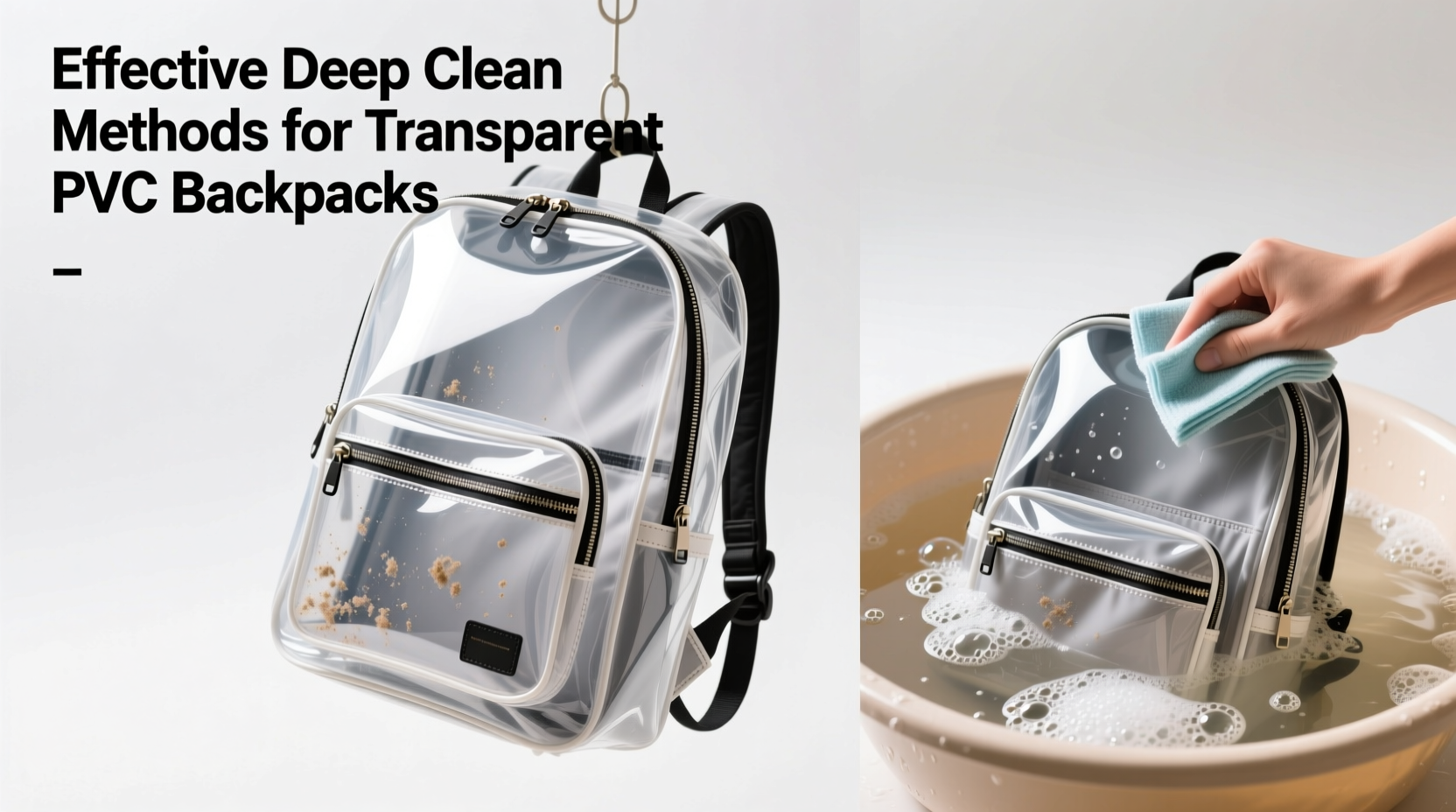
PVC (polyvinyl chloride) is a durable synthetic plastic known for its water resistance and transparency. While robust, it's vulnerable to environmental damage such as UV exposure, oils from skin, and chemical reactions from improper cleaners. Over time, neglect leads to hazing, discoloration, and micro-scratches that dull the finish. Routine care isn’t just about appearance—it extends the functional life of the material and prevents permanent damage.
Unlike porous materials, PVC doesn’t absorb liquids, making spills easier to wipe away. But this same non-porous quality means grime accumulates on the surface, requiring consistent attention. A monthly deep clean combined with weekly touch-ups keeps buildup at bay and maintains optical clarity.
“Transparency demands accountability—every speck shows. The key is gentle, consistent cleaning using pH-neutral products.” — Lena Ruiz, Material Care Specialist at Urban Gear Labs
Step-by-Step Deep Cleaning Process
A thorough deep clean restores shine and removes embedded residues. Follow this sequence carefully to avoid damaging the PVC:
- Empty and inspect: Remove all contents. Check seams, zippers, and corners for trapped debris.
- Dust removal: Use a soft-bristle brush or microfiber cloth to remove loose dust and particles. Pay attention to zipper tracks and edges.
- Prepare cleaning solution: Mix one cup of lukewarm water with one teaspoon of mild dish soap (phosphate-free). Avoid detergents with bleach, alcohol, or abrasives.
- Clean exterior: Dip a microfiber cloth into the solution, wring until damp (not wet), and gently wipe the entire surface in circular motions. Do not soak the bag.
- Tackle stains: For stubborn marks like ink or makeup, apply a small amount of isopropyl alcohol (70%) to a cotton swab and spot-treat. Test on an inconspicuous area first.
- Interior wipe-down: Flip pockets inside out if possible. Wipe lining with a separate damp cloth. If fabric-lined, avoid excessive moisture.
- Rinse residue: Dampen a second clean cloth with plain water and wipe over soapy areas to remove any film.
- Dry thoroughly: Air-dry flat in a shaded, well-ventilated area. Never use heat sources like hairdryers or radiators.
- Final polish: Once dry, buff lightly with a dry microfiber cloth to enhance clarity and reduce static.
Do’s and Don’ts: Maintaining Clarity and Durability
To preserve both appearance and function, follow these essential guidelines:
| Do’s | Don’ts |
|---|---|
| Use microfiber cloths for wiping | Use paper towels or rough fabrics that scratch |
| Clean monthly or after heavy use | Leave spills or hand sanitizer residue unattended |
| Store in a breathable cotton dust bag | Store in direct sunlight or hot cars |
| Apply UV-protective spray designed for plastics | Use window cleaners like Windex (ammonia damages PVC) |
| Line the interior with removable fabric inserts | Carry oily cosmetics or adhesives without protection |
Real-World Example: Reviving a Cloudy Commuter Bag
Sophie, a graphic designer in Seattle, used her transparent PVC backpack daily for her commute. After six months, the once-crystal-clear material turned foggy near the straps and developed yellowish tints along the base. She assumed it was ruined—until she followed a structured cleaning protocol. First, she removed all contents and brushed away accumulated lint. Using a mix of distilled water and baby shampoo (a gentle surfactant), she wiped down each panel. For the haze, she applied a commercial PVC restorer spray sparingly. After two hours of air drying and a final buff, the bag regained nearly 95% of its original clarity. Sophie now cleans it every four weeks and stores it in a linen pouch when not in use. Her experience underscores that even advanced dulling can be reversed with proper technique.
Preventative Maintenance Checklist
Stay ahead of wear with this simple monthly checklist:
- ✅ Empty and shake out debris
- ✅ Wipe exterior with damp microfiber cloth
- ✅ Inspect zippers and stitching for snags
- ✅ Clean interior pockets and remove crumbs
- ✅ Apply anti-static wipe to reduce dust attraction
- ✅ Store in a cool, dark place away from direct light
- ✅ Rotate usage if you own multiple bags
Frequently Asked Questions
Can I put my PVC backpack in the washing machine?
No. Machine washing exposes PVC to agitation, high heat, and harsh detergents that can warp, crack, or cloud the material. Always clean by hand using mild solutions.
Why is my transparent backpack turning yellow?
Yellowing is typically caused by prolonged UV exposure, contact with certain chemicals (like sunscreen or perfumes), or oxidation over time. Prevent it by storing away from sunlight and wiping off residues promptly. In mild cases, a specialized plastic restorer may help.
How do I remove scratches from my PVC bag?
Minor surface scratches can sometimes be reduced with a plastic polish or a paste made from baking soda and water. Gently rub in a circular motion with a soft cloth, then rinse and dry. Deep scratches are usually irreversible, emphasizing the need for preventive handling.
Long-Term Storage Tips
If you’re storing your backpack for more than a month—such as seasonal rotation—take extra precautions. Ensure it’s completely dry before packing. Stuff it lightly with acid-free tissue paper to maintain shape without stressing seams. Avoid plastic bins or vacuum-sealed bags; they trap moisture and encourage mildew. Instead, use a breathable cotton garment bag or pillowcase. Keep it in a closet with stable temperature and low humidity. Check on it every few weeks to ensure no pests or mold have developed.
“PVC lasts longest when treated like delicate tech gear—shielded from heat, friction, and chemicals.” — Dr. Mark Tran, Polymer Materials Researcher, MIT Lincoln Lab
Conclusion
Your transparent PVC backpack combines style, utility, and innovation—but its beauty depends on disciplined upkeep. By integrating regular cleaning, smart storage, and cautious handling into your routine, you protect both its appearance and longevity. Whether you're commuting through city streets or traveling abroad, a clear, spotless bag reflects attention to detail and respect for your belongings. These methods aren’t complicated, but they are consistent—and consistency is what transforms a short-lived trend piece into a lasting staple.




 浙公网安备
33010002000092号
浙公网安备
33010002000092号 浙B2-20120091-4
Comments
No comments yet. Why don't you start the discussion?