
Canvas shopping bags are durable, eco-friendly, and stylish—but they accumulate dirt, stains, odors, and bacteria over time. While many people toss them in the washing machine or scrub aggressively, improper cleaning can lead to fraying, fading, weakened seams, or mildew growth. The key to maintaining longevity lies in a thoughtful, methodical deep clean that removes grime while preserving fabric integrity. This guide provides tested techniques for restoring your canvas bag to like-new condition—safely and effectively.
Why Proper Deep Cleaning Matters
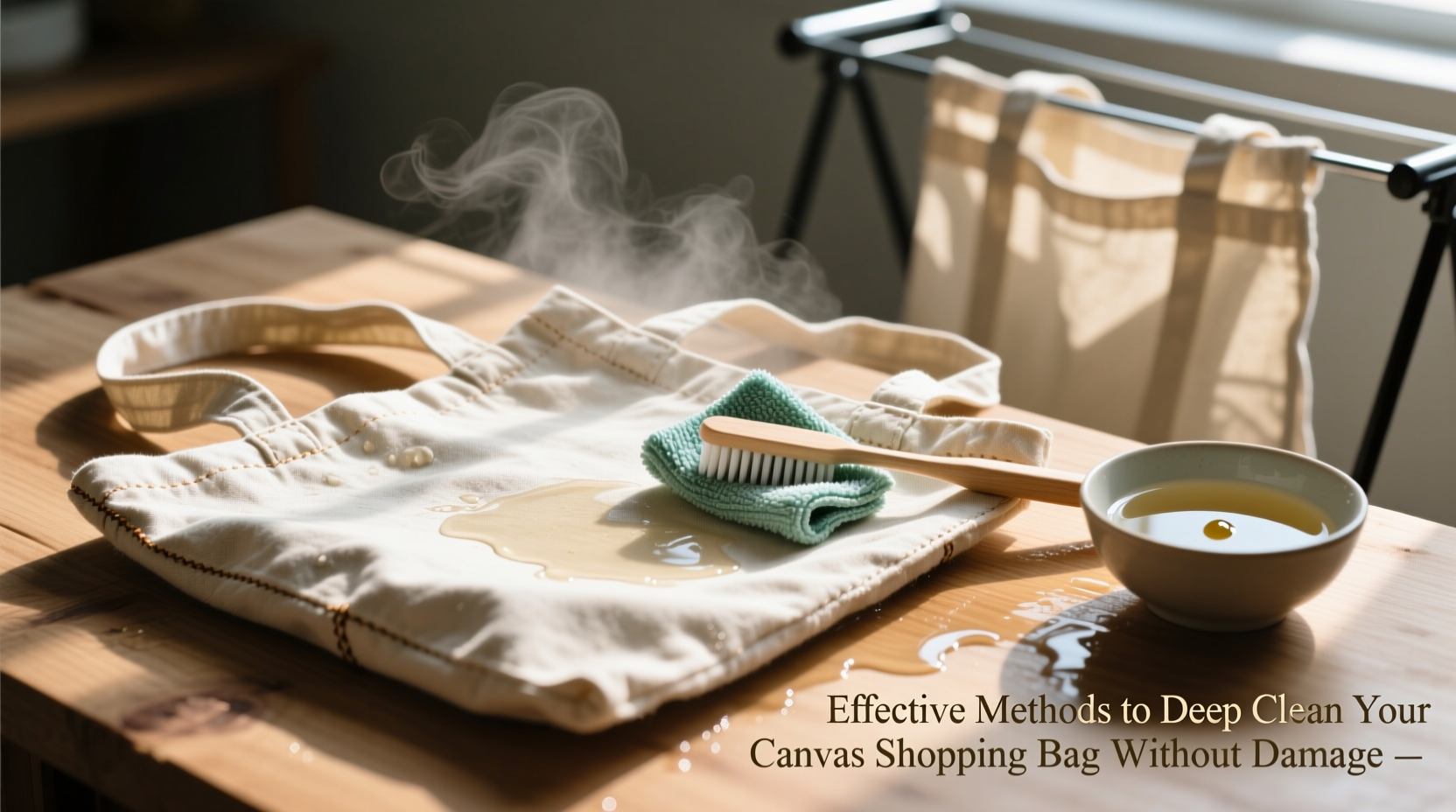
Unlike synthetic materials, cotton canvas is porous and absorbent. It picks up oils from hands, food spills, sidewalk dust, and even moisture from damp groceries. Over time, these residues break down fibers, attract mold, and cause discoloration. A surface wipe may remove visible dirt, but only a thorough deep clean eliminates embedded contaminants. Done correctly, deep cleaning extends the life of your bag by years, maintains hygiene, and keeps it presentable for daily use.
“Most canvas bag failures aren’t due to wear—they’re caused by poor maintenance. Regular deep cleaning prevents irreversible damage.” — Lena Patel, Sustainable Textile Care Specialist
Step-by-Step Guide: How to Deep Clean Your Canvas Bag Safely
Follow this six-step process to ensure a complete yet gentle clean. Each stage addresses different aspects of buildup without risking structural harm.
- Empty and Inspect: Remove all contents. Check pockets, seams, and corners for debris. Look for loose threads, stains, or signs of mildew.
- Pre-Treat Stains: Use a soft brush or cloth with a paste of baking soda and water to gently scrub stained areas. Let sit for 10–15 minutes before proceeding.
- Prepare Cleaning Solution: Mix 1 quart of cool water with 1 tablespoon of mild liquid detergent (like Woolite or dish soap). Avoid bleach, vinegar, or harsh chemicals.
- Hand Wash Thoroughly: Submerge the bag in the solution. Gently agitate with your hands, focusing on high-contact zones like handles and the base. Do not twist or wring.
- Rinse Completely: Rinse under cool running water until suds disappear. Residual soap attracts dirt and weakens fibers. <6> Air Dry Flat: Lay the bag on a clean towel in a well-ventilated area away from direct sunlight. Flip occasionally to dry both sides evenly. Never use a dryer.
Do’s and Don’ts of Canvas Bag Maintenance
| Do’s | Don’ts |
|---|---|
| Use cold or lukewarm water | Use hot water—it can shrink cotton fibers |
| Clean every 4–6 weeks with regular use | Wait until the bag looks visibly dirty |
| Spot clean weekly with a damp microfiber cloth | Scrub with abrasive pads or steel wool |
| Store in a breathable cotton pouch when not in use | Leave in damp cars or humid basements |
| Rotate multiple bags to reduce strain | Overload beyond recommended capacity |
Real Example: Reviving a Heavily Soiled Market Tote
Sophie, a weekly farmers’ market shopper, noticed her favorite navy canvas tote had developed a musty smell and dark scuff marks along the bottom. After using it for months without cleaning, she worried it was beyond saving. She followed the hand-wash method outlined above, pre-treating the base with a baking soda paste and soaking for 20 minutes. After rinsing and air-drying flat for 24 hours, the odor disappeared and stains lifted significantly. The fabric felt firmer, and the color remained vibrant. By avoiding the washing machine, she preserved the reinforced stitching and avoided warping the shape.
Maintenance Checklist for Long-Term Care
- ✅ Empty bag after each use
- ✅ Wipe down handles and interior weekly
- ✅ Treat spills immediately with a damp cloth
- ✅ Perform full deep clean every 4–6 weeks
- ✅ Air out in fresh air monthly, even if not visibly soiled
- ✅ Store unfolded in a dry, ventilated space
- ✅ Rotate between 2–3 canvas bags to reduce wear
When Machine Washing Is Acceptable (And When It’s Not)
Some manufacturers label canvas bags as “machine washable,” but proceed with caution. If you choose this route:
- Turn the bag inside out
- Place in a mesh laundry bag for protection
- Use cold water and gentle cycle only
- Select low spin speed to minimize stress
- Never wash with heavy items like shoes or jeans
However, avoid machine washing if your bag has any of the following:
- Leather or faux leather accents
- Reinforced interlining or stiffeners
- Screen-printed designs or embroidery
- Visible seam wear or prior water damage
Machine agitation can delaminate layers, crack prints, and stretch handles. Hand washing remains the safest method for most canvas bags.
Frequently Asked Questions
Can I use vinegar to remove odors from my canvas bag?
Vinegar is acidic and can degrade cotton fibers over time, especially with repeated use. It may also leave a lingering scent. Instead, use a mixture of water and baking soda for odor absorption, or place an open box of baking soda inside the stored bag overnight.
How do I prevent mildew after cleaning?
Mildew forms when moisture is trapped in fabric. Always dry your bag completely—inside and out—before storing. Never fold or pack a slightly damp bag. In humid climates, consider adding a silica gel packet to storage.
Is it safe to iron a canvas bag?
Only if absolutely necessary and on low heat with a pressing cloth. Most modern canvas bags don’t require ironing. If wrinkles persist after drying, reshape while slightly damp and let air dry fully.
Conclusion: Make Deep Cleaning Part of Your Routine
A canvas shopping bag is more than a convenience—it’s a sustainable choice that reduces plastic waste and supports mindful consumption. To honor that purpose, treat it with care. Deep cleaning isn’t just about appearance; it’s about hygiene, function, and responsibility. With the right approach, your bag can remain sturdy, fresh, and reliable for hundreds of uses. Start incorporating these steps into your routine and experience the difference that proper maintenance makes.




 浙公网安备
33010002000092号
浙公网安备
33010002000092号 浙B2-20120091-4
Comments
No comments yet. Why don't you start the discussion?