
Straw handbags are a staple of warm-weather fashion—lightweight, breathable, and effortlessly stylish. But their natural fiber construction makes them vulnerable to dirt, oils, mold, and structural weakening when exposed to moisture or harsh cleaning agents. Unlike synthetic or leather bags, straw requires a delicate touch. A poorly cleaned straw bag can lose its shape, develop mildew, or become brittle. The good news is that with the right techniques, you can restore your favorite tote or beach bag to pristine condition without compromising its integrity.
Understanding Straw Bag Materials and Risks
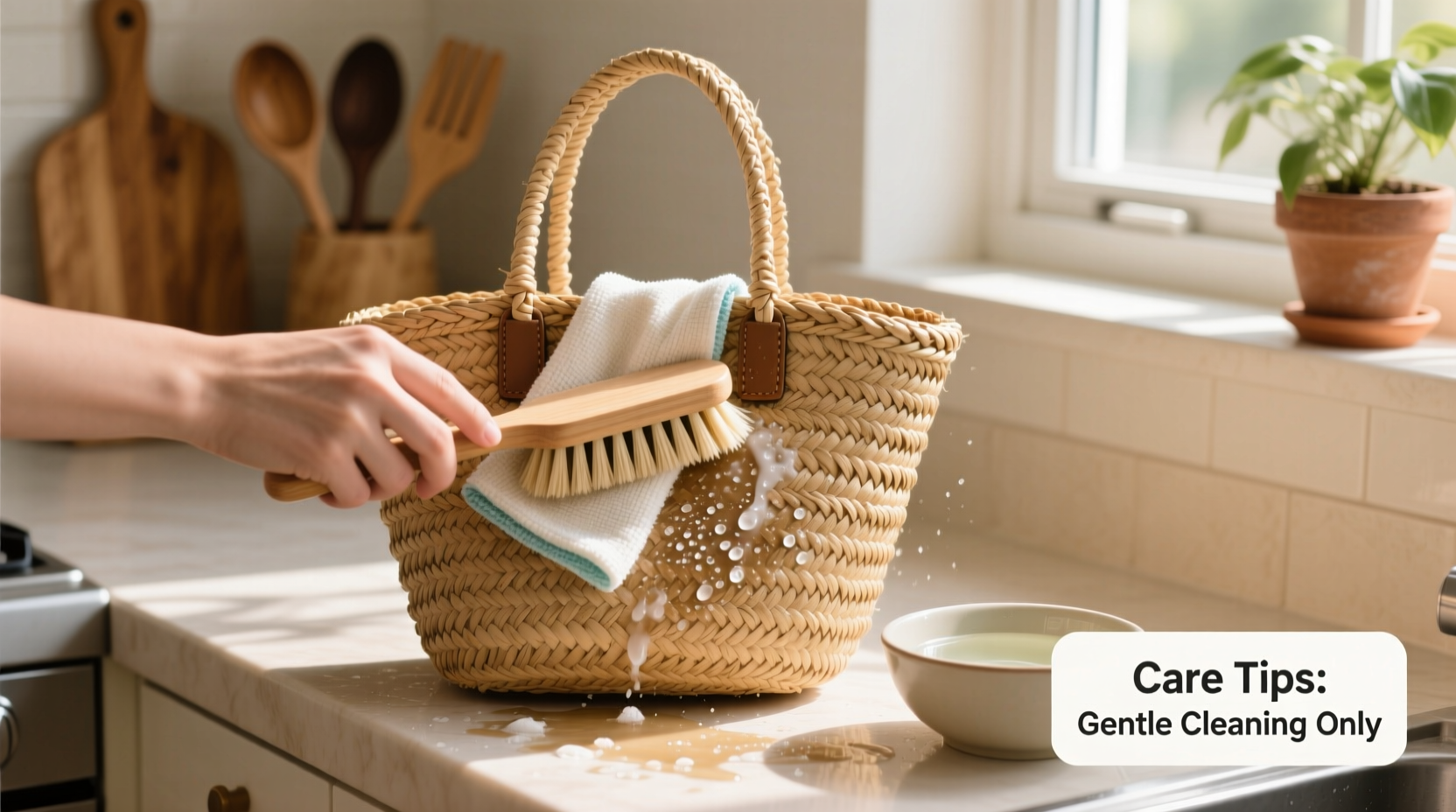
Most straw handbags are made from woven natural fibers such as raffia, seagrass, water hyacinth, or sisal. These materials are porous and sensitive to excessive moisture, heat, and chemicals. When dirt, sweat, or sunscreen accumulates in the weave, it not only dulls the appearance but also creates an environment where bacteria and mold can thrive—especially if stored damp.
The primary risks during cleaning include:
- Warping or loss of shape due to over-wetting.
- Fiber fraying from aggressive scrubbing.
- Mold growth if residual moisture remains after cleaning.
- Color bleeding from dyes used in decorative trims or linings.
Because of these vulnerabilities, standard cleaning methods like machine washing or soaking are strictly off-limits. Instead, targeted, low-moisture techniques are essential.
“Straw is organic and fragile. Treat it like a piece of art—not just an accessory. Gentle, consistent maintenance prevents irreversible damage.” — Lena Moreau, Textile Conservation Specialist
Step-by-Step Guide: Deep Cleaning Your Straw Handbag Safely
A proper deep clean involves multiple stages: dry removal, spot treatment, deodorizing, and conditioning (if applicable). Follow this timeline for best results.
- Empty and Shake Out Debris (5 minutes)
Remove all contents. Turn the bag upside down and gently shake to dislodge loose sand, crumbs, or dust. Use a soft-bristle brush (like a clean toothbrush) to sweep between weaves. - Dry Brushing (10 minutes)
Use a dry microfiber cloth or a very soft clothes brush to wipe down both the exterior and interior. Focus on high-contact areas like handles and base corners. This removes surface grime without introducing moisture. - Vacuum Lightly with Brush Attachment (5–7 minutes)
Set your vacuum to low suction and use the upholstery brush attachment to lift embedded dust. Hold the nozzle slightly above the surface to avoid pulling fibers. Never press directly into the weave. - Spot Clean Stains (15 minutes)
Mix one part distilled white vinegar with three parts filtered water in a spray bottle. Lightly mist a clean cotton pad—never spray directly onto the bag. Dab (do not rub) stained areas gently. For oil-based stains (sunscreen, makeup), add one drop of mild castile soap to the solution. - Air Dry Completely (6–12 hours)
Place the bag upright in a well-ventilated, shaded area. Avoid direct sunlight or heaters. Insert tissue paper or a soft towel inside to maintain shape and absorb internal moisture. Flip halfway through drying. - Deodorize Naturally (Optional, 2–4 hours)
If the bag has absorbed odors (salt air, perfume, food), place it in a sealed container with an open box of baking soda overnight. Alternatively, hang it in a closet with cedar blocks to deter mildew.
Do’s and Don’ts: Care Guidelines at a Glance
| Do’s | Don’ts |
|---|---|
| Use a soft, dry brush for regular maintenance | Use bleach, ammonia, or alcohol-based cleaners |
| Store in a breathable cotton dust bag | Store in plastic bags or humid environments |
| Clean spills immediately with a dry cloth | Rub aggressively at stains |
| Rotate seasonal use to reduce wear | Leave the bag in a hot car or direct sun |
| Apply a light coat of natural fiber protector (e.g., beeswax spray) yearly | Machine wash or dry clean unless explicitly approved by the manufacturer |
Real Example: Reviving a Beach-Tote After Summer
Sophie, a coastal lifestyle blogger, returned from a seaside vacation with her favorite raffia tote covered in salt residue, sand, and faint yellowing from sunscreen. She avoided tossing it, instead following the dry-brush method first, then using a vinegar-water mix on a cotton swab to target stained areas near the handles. After 8 hours of air drying in her screened porch, she placed the bag in a linen closet with activated charcoal sachets to neutralize lingering odors. Within two days, the bag looked nearly new—no warping, no stiffness. She now cleans it every season before storing.
This case highlights how timely intervention and proper technique preserve both appearance and longevity.
Essential Checklist for Safe Straw Bag Maintenance
- ☑ Empty and shake out debris monthly
- ☑ Dry brush exterior and interior weekly during active use
- ☑ Spot clean stains within 24 hours of occurrence
- ☑ Air dry thoroughly after any moisture exposure
- ☑ Store in a breathable fabric bag away from humidity
- ☑ Inspect for signs of mold or insect damage quarterly
- ☑ Apply a natural fiber sealant once per year
Frequently Asked Questions
Can I use a steam cleaner on my straw handbag?
No. Steam introduces too much moisture and heat, which can warp the fibers and encourage mold. Stick to dry or minimal-moisture methods only.
What should I do if my straw bag gets wet in the rain?
Immediately blot excess water with a dry towel. Remove any inserts or linings if possible. Stuff with absorbent paper and let it air dry in a cool, ventilated space—never near a heater. Check for mildew after 24 hours.
Is it safe to use commercial fabric sprays on straw?
Only if they are specifically labeled for natural fibers and free of alcohol, bleach, or solvents. Test on an inconspicuous area first. Many experts recommend DIY solutions like diluted vinegar or essential oil sprays instead.
Conclusion: Preserve Beauty Through Mindful Care
A straw handbag is more than a trend—it’s a crafted piece of functional art that deserves thoughtful upkeep. By adopting gentle, informed cleaning practices, you protect not just its appearance but its structural lifespan. Regular brushing, prompt stain response, and smart storage go a long way in keeping your bag looking fresh season after season. With the steps outlined here, even heavily used straw accessories can be revived safely and sustainably.




 浙公网安备
33010002000092号
浙公网安备
33010002000092号 浙B2-20120091-4
Comments
No comments yet. Why don't you start the discussion?