
Summer brings sunshine, sand, and spontaneous trips to the shore—often with your favorite pair of beach sandals in tow. While they're built for water, salt, and grit, repeated exposure without proper care can degrade materials, cause odors, and reduce structural integrity. A deep clean isn’t just about appearance; it’s essential for hygiene, foot health, and extending the lifespan of your footwear. Whether you own rubber flip-flops, foam slides, or woven synthetic straps, a targeted cleaning approach preserves both comfort and style.
Why Deep Cleaning Your Beach Sandals Matters
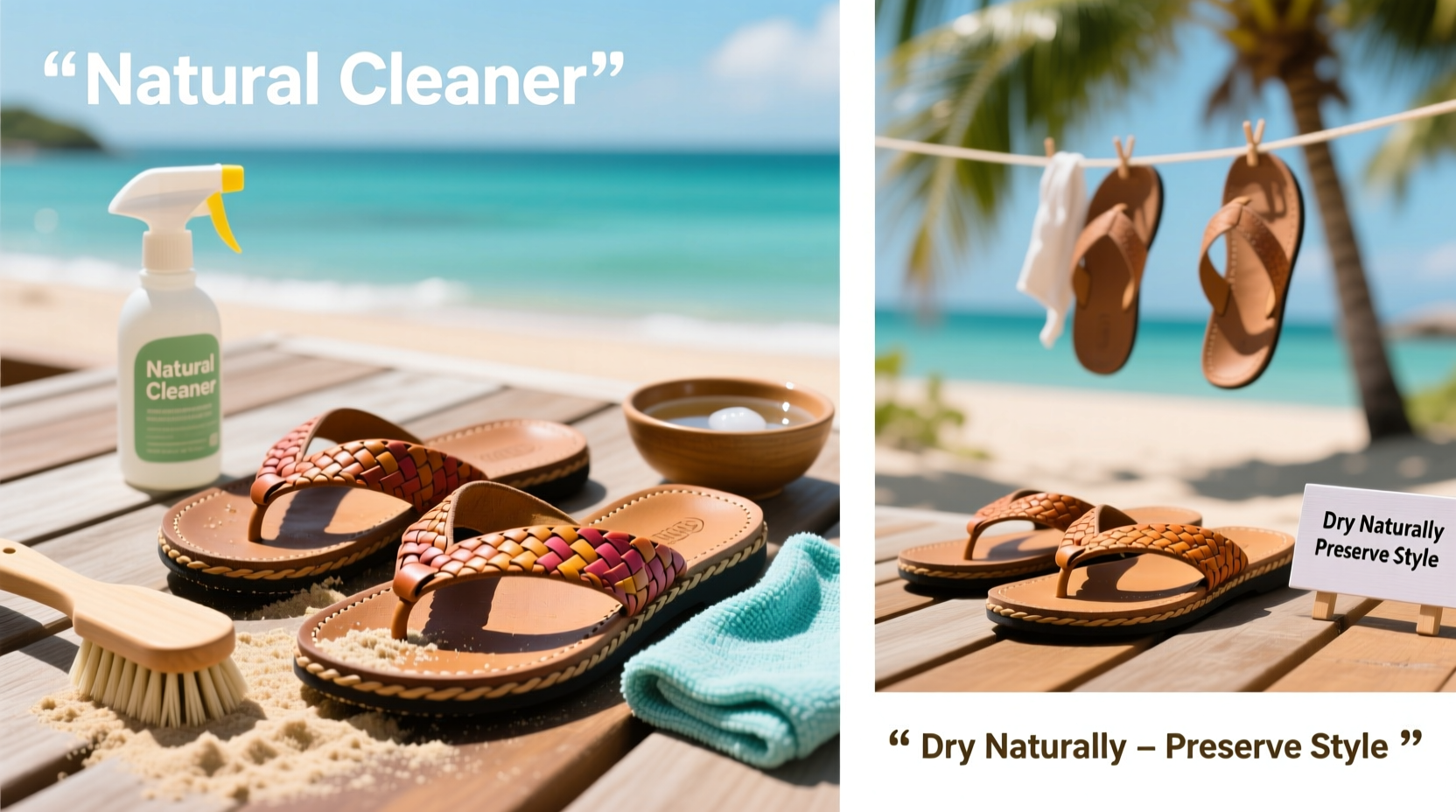
Beach sandals endure conditions most shoes never face: seawater, chlorine, sweat, sand, and hot pavement. These elements combine to create bacterial growth, discoloration, and material breakdown. Saltwater crystallizes in strap joints, sand abrades soft foam footbeds, and moisture trapped under footbeds breeds odor-causing microbes. Without intervention, even high-quality sandals can crack, warp, or emit unpleasant smells by mid-season.
Regular rinsing is helpful, but only a thorough deep clean removes embedded grime and restores performance. Proper maintenance ensures better foot support, reduces skin irritation risks, and keeps your sandals looking new longer. As podiatrist Dr. Lena Torres notes:
“Sandals that aren’t cleaned regularly can harbor fungi and bacteria linked to athlete’s foot and other dermatological issues. A simple weekly wipe-down and monthly deep clean go a long way in protecting foot health.” — Dr. Lena Torres, Podiatric Hygiene Specialist
Step-by-Step Guide to Deep Cleaning Different Sandal Types
Not all beach sandals are created equal. Materials vary widely—from EVA foam and rubber to nylon webbing and synthetic leather. Each requires a tailored cleaning method to avoid damage while maximizing cleanliness.
1. Rubber and PVC Flip-Flops
Rubber sandals are among the most durable, but they attract dirt and develop sticky residues over time.
- Rinse under lukewarm water to remove loose debris.
- Soak in a solution of warm water and mild dish soap (1 tablespoon per quart) for 10–15 minutes.
- Use a soft-bristle brush (like an old toothbrush) to scrub textured soles and between straps.
- Rinse thoroughly until no suds remain.
- Wipe dry with a microfiber cloth and air-dry in a shaded area—never direct sunlight, which can warp soles.
2. Foam-Based Sandals (EVA, Croslite™)
Foam materials like those used in popular slide brands offer cushioning but are porous and prone to absorbing odors.
- Remove surface dirt with a damp cloth.
- Prepare a cleaning paste: mix baking soda and water (2:1 ratio).
- Apply the paste to the footbed and scrub gently with a soft brush.
- Rinse completely—ensure no residue remains in crevices.
- To deodorize, soak in a diluted white vinegar solution (1 part vinegar to 3 parts water) for 10 minutes.
- Air-dry upside down to allow drainage and prevent moisture pooling.
3. Fabric or Webbed Straps (Nylon, Polyester, Neoprene)
Sandals with fabric components trap sweat and sand more than solid materials.
- Hand-wash straps using a gentle detergent or castile soap.
- Agitate lightly with fingers or a sponge; avoid twisting or stretching.
- For mildew stains, spot-treat with a hydrogen peroxide and water mix (50/50).
- Rinse thoroughly and blot excess moisture with a towel.
- Allow to dry flat—do not hang, as this may stretch the material.
Do’s and Don’ts: Sandal Care Table
| Scenario | Do | Don’t |
|---|---|---|
| Drying After Cleaning | Air-dry in a cool, ventilated area away from direct sun | Leave in a closed car or near a heater—can melt or warp materials |
| Dealing with Odors | Use baking soda, vinegar soaks, or UV-sanitizing bags | Mask smells with perfume sprays—can degrade adhesives |
| Storage Between Seasons | Clean first, then store in breathable cotton bags | Pile in plastic bins—traps moisture and promotes mold |
| Stain Removal | Spot-clean with mild solutions and soft brushes | Scrub aggressively with steel wool or bleach-based cleaners |
| Machine Washing | Only if manufacturer-approved; use a mesh laundry bag on gentle cycle | Assume all sandals are machine-safe—many glues fail under agitation |
Real Example: Reviving a Season-Old Pair
Jessica, a coastal yoga instructor in San Diego, wore her foam slides nearly every day during summer. By September, they were yellowed, smelled musty, and had developed a rough texture on the footbed. She assumed they were beyond saving. Instead of discarding them, she followed a deep-cleaning routine: soaked them in vinegar water, scrubbed with baking soda paste, and let them dry overnight under a fan. The result? The odor disappeared, discoloration faded significantly, and the cushioning felt refreshed. “I got two extra months of wear out of them,” she said. “And my feet felt cleaner during class.”
Checklist: Monthly Deep Clean Routine
- ☐ Remove visible debris and rinse with water
- ☐ Inspect straps and soles for cracks or glue separation
- ☐ Prepare appropriate cleaning solution based on material
- ☐ Scrub all surfaces, especially high-contact zones
- ☐ Deodorize using natural agents like vinegar or baking soda
- ☐ Rinse thoroughly and drain properly
- ☐ Dry completely before storing or wearing again
- ☐ Apply a protectant spray (for non-porous materials) if needed
FAQ: Common Questions About Sandal Cleaning
Can I put my beach sandals in the washing machine?
Only if the manufacturer explicitly allows it. Some rubber or heavy-duty models tolerate a cold, gentle cycle in a mesh bag. However, most foam and glued constructions should be hand-cleaned to prevent delamination or warping.
How often should I deep clean my beach sandals?
Every 4–6 weeks during active summer use. If worn daily at the beach or pool, consider cleaning every 3 weeks. Light rinsing after each use helps extend the time between deep cleans.
What causes yellowing on white sandals?
UV exposure, oxidation, and buildup of body oils or sunscreen residue contribute to yellowing. Using a baking soda paste or specialized shoe whitening foam can help restore brightness—avoid chlorine-based bleaches, which weaken materials.
Maintaining Long-Term Comfort and Style
Deep cleaning isn’t a one-time fix—it’s part of a broader care philosophy. Rotating between multiple pairs reduces wear on any single set. Storing sandals flat and dust-free prevents deformation. And replacing worn-out pairs before they compromise foot support ensures ongoing comfort. Just as you wouldn’t skip brushing your teeth, don’t neglect your sandals. Their condition directly impacts your stride, hygiene, and confidence.
“The best sandals are not always the most expensive—they’re the ones cared for consistently.” — Marcus Reed, Footwear Durability Analyst
Take Action Today
Your beach sandals carry you through some of summer’s best moments. Honor that role with regular, thoughtful maintenance. Pull out last year’s favorites or give your current pair a refresh today. With just 20 minutes and basic household supplies, you can restore freshness, eliminate odors, and extend their life into next season. Don’t wait for cracks or smells to act—start now, and step forward with cleaner, more comfortable feet.




 浙公网安备
33010002000092号
浙公网安备
33010002000092号 浙B2-20120091-4
Comments
No comments yet. Why don't you start the discussion?