
Damp smell in clothing is more than just unpleasant—it’s a sign of lingering moisture, bacteria, and mildew growth. Whether it’s from an incomplete dry cycle, humid storage, or forgotten laundry at the bottom of the hamper, that musty odor can cling stubbornly to fabrics. The good news: with the right approach, you can not only remove existing odors but also prevent them from returning. This guide outlines proven, practical strategies grounded in textile care science and real-world experience.
Understanding the Source of Damp Smell
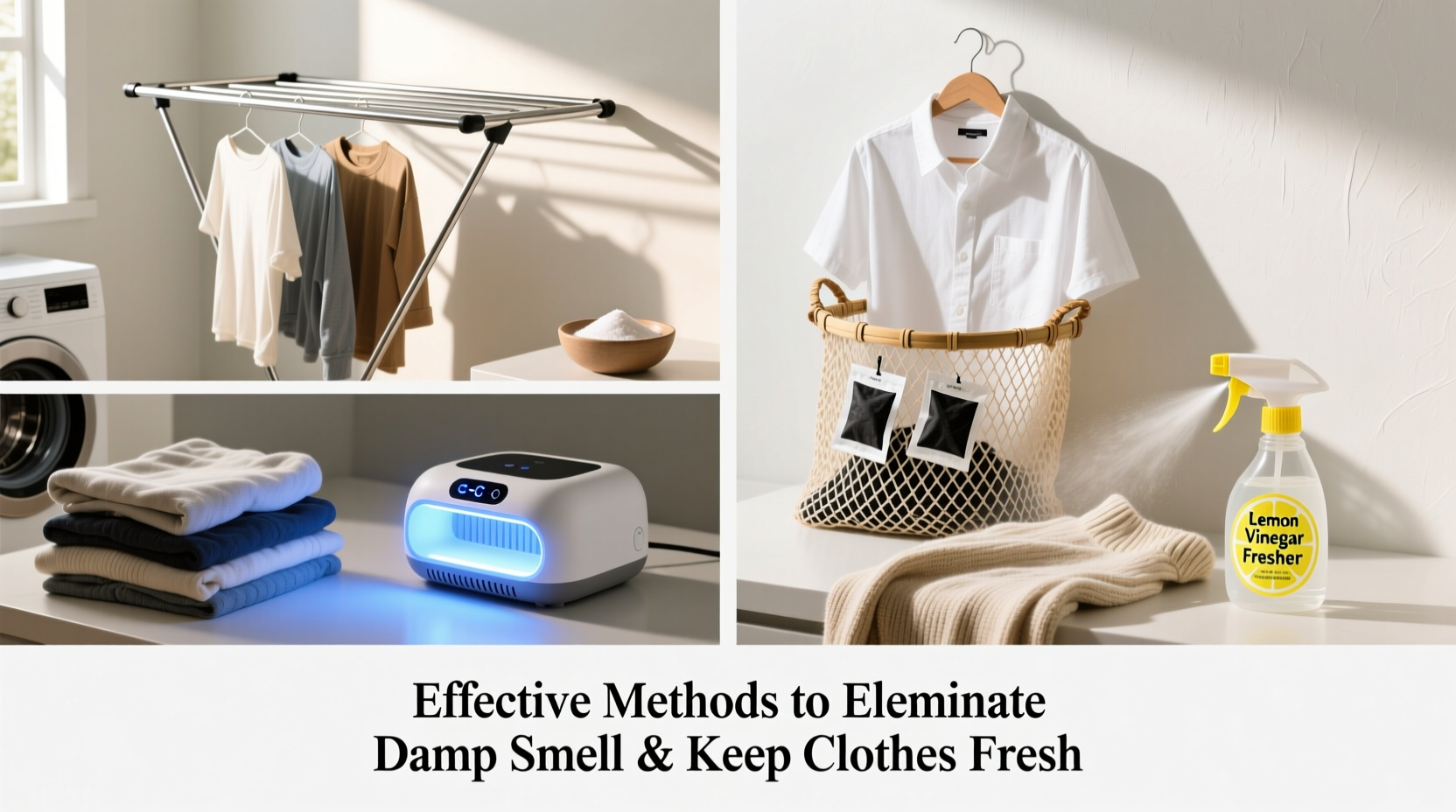
The musty scent commonly found in damp clothes isn’t caused by water itself, but by microbial activity. When clothes remain moist for more than 8–10 hours, naturally occurring bacteria and mold spores begin to multiply, breaking down sweat, skin cells, and detergent residues. These microorganisms produce volatile organic compounds (VOCs) that emit a sour, earthy, or locker-room-like odor.
Fabrics like cotton, wool, and synthetics such as polyester are particularly vulnerable. Cotton absorbs moisture readily, while polyester traps sweat without wicking it effectively—creating ideal breeding grounds for odor-causing microbes.
“Moisture retention is the primary culprit behind persistent clothing odors. Even slightly damp garments stored too long will develop off-smells.” — Dr. Lena Patel, Textile Microbiologist at the Institute of Fabric Science
Step-by-Step Guide to Eliminate Existing Damp Smell
If your clothes already carry a musty scent, follow this systematic process to restore freshness:
- Re-wash immediately: Don’t let damp clothes sit. If they’ve been in the washer too long, run them again before drying.
- Use vinegar or baking soda: Add 1 cup of white vinegar or ½ cup of baking soda to the rinse cycle. Both neutralize odors and help break down bacterial buildup.
- Wash in warm (not hot) water: For most fabrics, 40°C (104°F) is optimal—hot enough to kill microbes but safe for fibers. Avoid boiling water on delicate materials.
- Choose odor-fighting detergents: Look for detergents containing enzymes (protease, lipase) that break down organic matter. Oxygen-based bleaches (like sodium percarbonate) are excellent for whites and color-safe items.
- Double rinse if needed: Residual detergent can trap moisture and worsen smells. Enable extra rinse cycles for heavily soiled loads.
- Dry thoroughly and quickly: Air-dry outdoors when possible, or use a dryer on medium heat. Ensure clothes are completely dry before folding or storing.
Prevention Strategies for Long-Term Freshness
Eliminating odors after they appear is important, but preventing them is far more effective. Integrate these habits into your laundry routine:
- Don’t overload the washing machine: Overcrowding restricts water and detergent movement, leading to poorly cleaned and rinsed clothes.
- Clean your washing machine monthly: Run an empty cycle with 2 cups of vinegar or a dedicated washing machine cleaner to remove biofilm buildup in seals and drums.
- Air out damp clothes immediately: After wearing, hang workout gear, towels, and undergarments to dry instead of tossing them in a closed hamper.
- Use breathable storage: Store clean clothes in well-ventilated closets. Avoid plastic bins unless they’re perforated for airflow.
- Rotate seasonal wardrobe items: Bring winter sweaters or raincoats into sunlight periodically to prevent mustiness.
Do’s and Don’ts of Odor Prevention
| Do | Don't |
|---|---|
| Wash damp clothes within 8 hours of wear | Leave wet gym clothes in a gym bag overnight |
| Use mesh laundry bags for delicates | Wash synthetic activewear with heavy towels |
| Add essential oils like tea tree or eucalyptus (natural antimicrobials) | Overuse fabric softener (it coats fibers and traps odor) |
| Store clothes with cedar blocks or silica gel packs | Keep clothes in basements or unheated garages |
| Spot-treat sweat-prone areas before washing | Ignore mildew stains—they indicate deeper microbial growth |
Real Example: Solving a Persistent Closet Smell
Sarah, a teacher from Manchester, noticed her knitted cardigans had developed a recurring musty smell each autumn. She washed them regularly but stored them in a wooden chest in her basement over summer. Upon inspection, she realized the chest lacked ventilation and the basement humidity often exceeded 70%. Following expert advice, she wrapped each garment in acid-free tissue paper, placed activated charcoal sachets inside the chest, and moved it to a drier upstairs closet. Within weeks, the odor disappeared—and hasn’t returned in two years. Her solution combined moisture control, air circulation, and natural odor absorption.
Special Considerations for Different Fabrics
Not all fabrics respond the same way to cleaning and drying. Tailor your approach based on material:
- Wool and cashmere: Hand-wash with pH-neutral detergent. Lay flat to dry away from direct heat. Use lavender sachets for natural freshness.
- Synthetics (polyester, nylon): Wash inside-out in cool water with sport-specific detergent. High heat can damage fibers, so tumble dry on low.
- Down-filled jackets: Wash with a down-specific detergent and add tennis balls to the dryer to restore loft and ensure even drying.
- Linen: Prone to mildew if left damp. Dry in sunlight and iron while slightly damp to prevent stiffness.
FAQ: Common Questions About Damp Smell in Clothes
Why do my clothes still smell after washing?
This usually indicates residual bacteria surviving the wash due to low water temperature, insufficient detergent, or poor rinsing. It may also point to a dirty washing machine drum or using too much fabric softener, which coats fibers and traps odors.
Can I use bleach to remove musty smells?
Chlorine bleach can be effective on white cotton items but damages synthetic fibers and isn’t safe for colored clothes. Instead, use oxygen-based bleach (e.g., OxiClean), which is gentler and works on most fabrics.
Is it safe to store clothes with scented sachets?
Yes, but choose natural options like dried lavender, cedar chips, or activated charcoal. Avoid synthetic perfumes that can stain or irritate sensitive skin. Replace them every 3–6 months for continued effectiveness.
Essential Checklist for Fresh, Odor-Free Clothes
Follow this checklist weekly to maintain freshness and prevent damp smells:
- ✅ Remove laundry from the washer within 1 hour of the cycle ending
- ✅ Clean washing machine gasket and dispenser drawer monthly
- ✅ Air out closets and drawers quarterly
- ✅ Inspect stored clothes seasonally for signs of moisture or mildew
- ✅ Use moisture absorbers (silica gel, charcoal) in wardrobes
- ✅ Wash high-sweat garments immediately after use
- ✅ Rotate and refresh storage boxes every 6 months
Conclusion: Make Freshness a Habit, Not a Battle
Eliminating damp smell from clothes doesn’t require expensive products or complicated routines. It comes down to consistent habits: prompt washing, thorough drying, and smart storage. By understanding how moisture and microbes interact with fabric, you gain control over odor at its source. Start small—clean your machine this week, hang up damp towels, or place a charcoal pouch in your closet. These actions compound over time, transforming your wardrobe into a consistently fresh, clean space. Your clothes deserve more than temporary masking—they deserve lasting freshness.




 浙公网安备
33010002000092号
浙公网安备
33010002000092号 浙B2-20120091-4
Comments
No comments yet. Why don't you start the discussion?