
Fleas are more than just a nuisance—they pose serious health risks to kittens, whose immune systems are still developing. A single flea can trigger intense itching, allergic reactions, anemia, and even transmit parasites like tapeworms. Because kittens under eight weeks old are especially vulnerable, many standard flea treatments are unsafe for them. This makes it critical to use gentle, vet-approved methods that effectively remove fleas without harming the kitten. The key is acting fast while prioritizing safety at every step.
Understanding the Flea Threat in Young Kittens
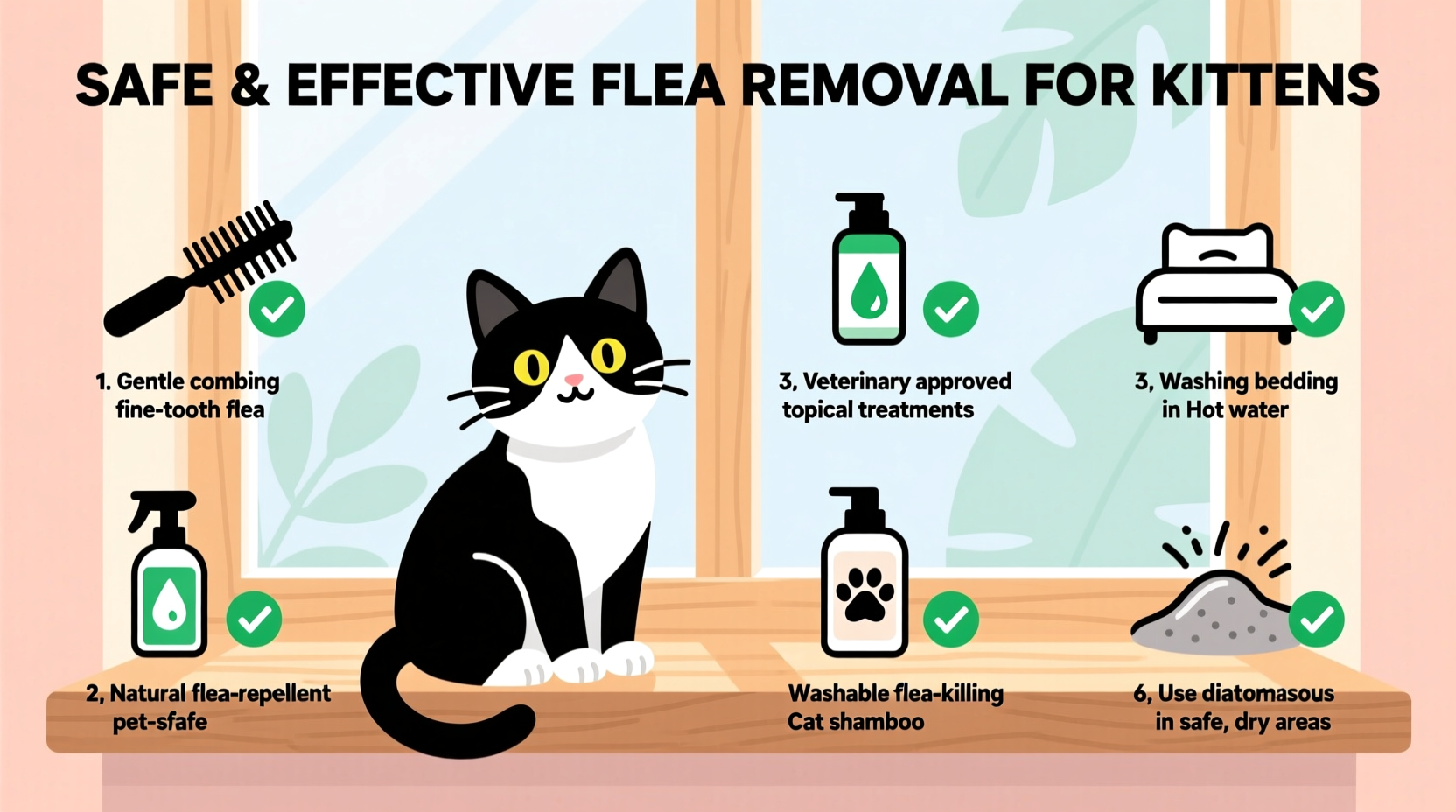
Fleas reproduce rapidly—females can lay up to 50 eggs per day—and infestations can escalate within days. In kittens, even a small number of fleas can lead to life-threatening blood loss due to their low body weight. Symptoms of flea infestation include excessive scratching, hair loss, scabs, restlessness, and pale gums—a sign of anemia. Unlike adult cats, kittens cannot metabolize many chemical treatments efficiently, making certain topical and oral products dangerous or even fatal.
It’s also important to recognize that treating the kitten alone isn’t enough. Fleas spend most of their lifecycle off the host—in carpets, bedding, and furniture. Without addressing the environment, reinfestation is almost guaranteed. A comprehensive approach must include both direct treatment of the kitten and thorough environmental control.
“Never use dog flea products on kittens. Ingredients like permethrin are highly toxic to cats and can be lethal.” — Dr. Lena Torres, DVM, Feline Health Specialist
Safe Step-by-Step Methods to Remove Fleas from Kittens
For kittens younger than eight weeks or weighing less than two pounds, chemical treatments are generally not recommended. Instead, physical removal and natural interventions are safer and often just as effective when applied consistently.
1. Use a Fine-Toothed Flea Comb
The most immediate and safest method is combing. Use a metal flea comb with closely spaced teeth to physically remove fleas and eggs. Work through the fur section by section, dipping the comb into a cup of soapy water after each pass to drown the fleas.
2. Bathe the Kitten with Mild Dish Soap
Only bathe a kitten if it's at least four weeks old and healthy. Warm (not hot) water and a drop of fragrance-free dish soap—like Dawn—can help immobilize and kill fleas. The soap reduces water surface tension, causing fleas to sink and drown. Gently lather the kitten, avoiding eyes and ears, then rinse thoroughly and dry with a soft towel.
Do not use human shampoos, essential oils, or “natural” pet shampoos unless approved by a veterinarian. These can disrupt the kitten’s delicate skin pH or cause toxicity.
3. Create a Homemade Flea Trap
At night, place a small bowl of soapy water near a nightlight on the floor. Fleas are attracted to warmth and light. As they jump toward the source, they fall into the water and drown. This helps reduce environmental flea populations overnight.
When Can You Use Medical Treatments?
Once a kitten reaches eight weeks of age and weighs at least two pounds, some veterinarian-approved topical treatments become options. Products containing nitenpyram (Capstar) are oral tablets that kill adult fleas within 30 minutes and are considered safe for young kittens. However, they do not prevent reinfestation, so they should be combined with environmental management.
Topical treatments like selamectin (Revolution) are also approved for kittens as young as six weeks but require a prescription. Never apply over-the-counter spot-ons designed for adult cats or dogs without veterinary guidance—many contain ingredients that can cause seizures or death in kittens.
| Treatment Type | Safe for Kittens? | Age/Weight Minimum | Notes |
|---|---|---|---|
| Flea combing | Yes | All ages | Mechanical removal; zero risk |
| Dish soap bath | Yes (with caution) | 4+ weeks, healthy | Avoid chilling; use lukewarm water |
| Capstar (nitenpyram) | Yes | 4+ weeks, 2 lbs+ | Kills adults fast; short duration |
| Permethrin-based products | No | N/A | Highly toxic to cats |
| Essential oil sprays | No | N/A | Potentially fatal; avoid completely |
Environmental Control: Breaking the Flea Lifecycle
Over 90% of the flea population exists in the environment as eggs, larvae, and pupae. To stop reinfestation, clean daily for at least two weeks:
- Wash all bedding in hot water every 2–3 days.
- Vacuum carpets, rugs, and furniture thoroughly, especially along baseboards and under furniture. Dispose of the vacuum bag or empty the canister immediately.
- Use a non-toxic indoor flea spray containing food-grade diatomaceous earth in areas the kitten doesn’t access directly. This desiccates flea larvae and eggs but should never be inhaled by pets or humans.
- Limit the kitten’s roaming space to one easy-to-clean room until the infestation is resolved.
Mini Case Study: Rescuing a 5-Week-Old Kitten
Sarah adopted a stray 5-week-old kitten named Milo who was lethargic and covered in fleas. Weighing only 1.5 pounds, Milo was too young for medication. Her veterinarian advised against any chemical treatments and recommended a strict comb-and-bathe protocol.
She combed Milo twice daily with a flea comb, drowning the fleas in soapy water. Every three days, she gave him a gentle Dawn soap bath, being careful to keep him warm before and after. She washed his blanket daily and used a DIY flea trap with a tea light and soapy dish nearby. Within ten days, no fleas were visible, and Milo’s energy improved dramatically. Two weeks later, once he reached two pounds, the vet prescribed Capstar for added protection during ongoing environmental cleanup.
This case highlights how consistent mechanical removal, combined with hygiene, can successfully resolve infestations in fragile kittens without resorting to risky chemicals.
Checklist: Safe Flea Removal Plan for Kittens
- Confirm the kitten is at least 4 weeks old and stable in health.
- Begin daily flea combing with a metal comb, drowning captured fleas.
- Give a mild dish soap bath every 3–4 days if needed. <4>Set up a nightly flea trap using light and soapy water.
- Wash all bedding in hot water every 2–3 days.
- Vacuum living areas daily, focusing on hiding spots.
- Isolate the kitten to a single, easily cleaned room.
- Monitor for signs of anemia (pale gums, weakness).
- Contact a vet when the kitten reaches 8 weeks or 2 lbs for preventive options.
- Continue treatment for at least two weeks after the last flea sighting.
Frequently Asked Questions
Can I use baby shampoo on my kitten for fleas?
Baby shampoo is milder than regular soap but does not kill fleas effectively. It may help clean the coat but lacks the surfactant strength of dish soap. Avoid frequent use, as it can dry out delicate kitten skin.
How long does it take to get rid of fleas on a kitten?
With consistent combing and environmental cleaning, visible fleas can be eliminated in 7–14 days. However, breaking the full lifecycle (which lasts up to 3 weeks) requires ongoing effort for at least a month to prevent reinfestation.
Are home remedies like lemon spray or vinegar safe for kittens?
No. Citrus extracts and vinegar can irritate a kitten’s skin and are potentially toxic if licked. There is no scientific evidence supporting their effectiveness, and the risks outweigh any perceived benefits.
Final Steps and Prevention
Once fleas are gone, prevention becomes the next priority. After the kitten is old enough, discuss long-term solutions like monthly topical preventives or collars with your veterinarian. Keep the home clean, vacuum regularly, and inspect new pets before introducing them to your household.
Early intervention, patience, and a focus on safety make all the difference. By combining hands-on care with smart environmental control, you can protect your kitten from the dangers of fleas without exposing them to unnecessary risks.




 浙公网安备
33010002000092号
浙公网安备
33010002000092号 浙B2-20120091-4
Comments
No comments yet. Why don't you start the discussion?