
In an increasingly connected world, receiving an unknown call or text can spark curiosity—or concern. Whether it’s a missed call from an unfamiliar number, a suspicious message, or a contact you forgot to save, many people wonder how to find out who owns a mobile number without crossing legal or ethical boundaries. While the internet is full of misleading tools promising instant identification, few operate within legal frameworks or respect user privacy. This guide outlines practical, responsible, and lawful approaches to identifying a person by their phone number—methods that prioritize safety, compliance, and digital ethics.
Understanding Privacy and Legal Boundaries
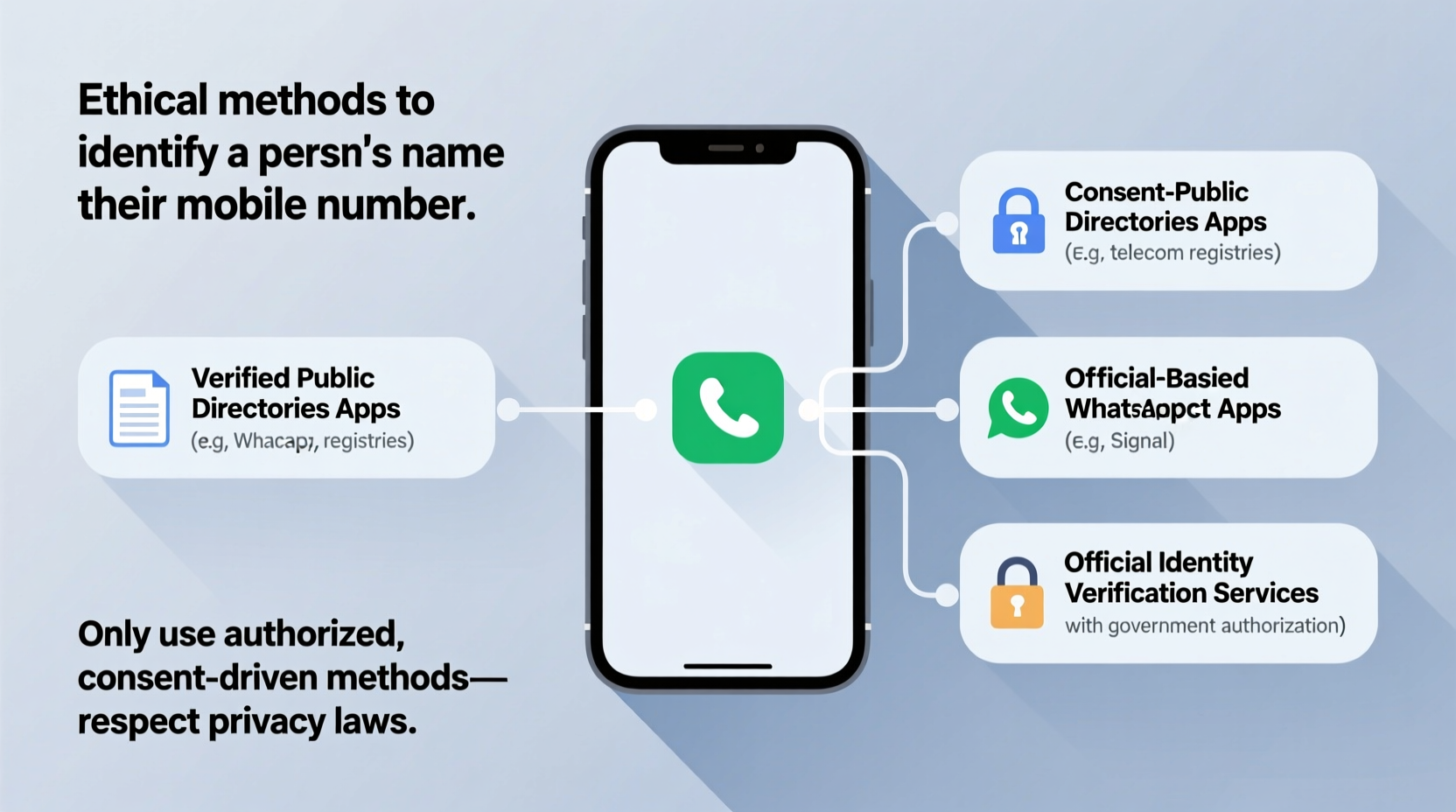
Before exploring any method, it’s essential to understand the legal landscape surrounding personal data. In most countries, including the U.S., Canada, the UK, and EU member states, accessing someone’s personal information without consent is restricted under privacy laws such as the General Data Protection Regulation (GDPR), the California Consumer Privacy Act (CCPA), and similar legislation. Phone numbers are considered personal data, and misuse can lead to penalties or civil liability.
Legitimate identification should only occur for valid reasons—such as verifying a business contact, confirming a delivery person’s identity, or re-establishing lost connections with friends or family. It should never be used for stalking, harassment, or unauthorized surveillance.
“Respecting privacy isn’t just about legality—it’s about maintaining trust in digital communication.” — Dr. Lena Patel, Digital Ethics Researcher at the Center for Responsible Technology
Safe and Legal Methods to Identify a Person by Mobile Number
While no method guarantees 100% accuracy, several reliable and compliant options exist. These approaches rely on public records, trusted services, and built-in communication features rather than invasive data scraping or illegal databases.
1. Reverse Phone Lookup Services (Reputable Providers)
Certain online services offer reverse phone lookups using publicly available directories, carrier data, and opt-in listings. These are most effective for landlines and business numbers but may also return results for mobile lines if the owner has shared their number publicly.
Recommended platforms include:
- Truecaller – Crowdsourced directory with caller ID features; allows users to search numbers after logging in.
- Whitepages – Offers reverse lookup in the U.S. with verified residential and business listings.
- Spokeo – Aggregates public records, though access to full reports requires a subscription.
2. Check Social Media Platforms
Many people link their phone numbers to social media accounts for recovery or messaging purposes. Platforms like Facebook, WhatsApp, Instagram, and Telegram allow contacts to appear automatically when your saved number matches theirs.
To use this ethically:
- Save the number in your phone’s address book with a temporary label (e.g., “Unknown Caller”).
- Open WhatsApp and refresh your contact list—the app will display profile names and photos for registered users.
- Repeat on other apps where synced contacts are visible.
Note: You cannot search numbers directly on most platforms unless they’re already in your network. This method respects privacy because it relies on mutual connectivity.
3. Use Carrier-Based Identification (Business Lines)
If the number belongs to a company, service provider, or freelancer, official channels often provide verification. For example:
- Call the main customer service line of a known company and ask to confirm the extension.
- Check the organization’s website for employee directories or contact forms.
- Use Google Business listings to match a number with a verified business name.
This approach is both legal and constructive, especially when dealing with deliveries, appointments, or customer support.
4. Public Records and Government Directories
In some jurisdictions, certain phone numbers—especially those linked to government offices, public utilities, or licensed professionals—are listed in official directories. Examples include:
- State medical board registries (for doctors)
- Bar association databases (for lawyers)
- Municipal emergency or non-emergency hotlines
These sources are authoritative and intended for public access, making them ideal for verification without overstepping boundaries.
Step-by-Step Guide: How to Safely Investigate an Unknown Number
Follow this structured process to responsibly identify a mobile number:
- Document the context: Note when and where you received the call/text, and whether it was repeated or urgent.
- Search via WhatsApp: Save the number and open WhatsApp to see if a profile appears.
- Run a reverse lookup: Use Truecaller or Whitepages to check for public listings.
- Verify through social media: Cross-reference with LinkedIn, Facebook, or Instagram if appropriate.
- Contact the person directly: If safe, send a polite message asking for identification.
- Report suspicious activity: If the number exhibits scam behavior, report it to authorities like the FTC or local telecom regulator.
What Not to Do: Common Pitfalls and Illegal Practices
Avoid these high-risk actions that violate privacy laws or expose you to fraud:
| Do’s | Don’ts |
|---|---|
| Use reputable reverse lookup services | Purchase access to hacked or leaked databases |
| Ask mutual contacts for clarification | Impersonate someone to extract information |
| Report spam numbers to your carrier | Use spyware or tracking apps without consent |
| Verify business numbers through official websites | Threaten or harass the number owner |
Mini Case Study: Recovering a Lost Contact
Sophie, a freelance designer, received a text from an unknown number asking about a past project. She didn’t recognize the digits but recalled working with a client whose number had changed. Instead of replying immediately, she saved the number as “Client Inquiry” and opened WhatsApp. The app displayed a profile photo and first name. She then searched that name on LinkedIn and confirmed it was her former client, Mark Rivera, now working at a new agency. Sophie replied professionally, re-established the connection, and secured a new contract—all without violating privacy or using questionable tools.
Frequently Asked Questions
Can I find someone’s name from a mobile number for free?
Yes, but with limitations. Free options include checking WhatsApp contacts, searching social media manually, or using limited reverse lookup features on sites like Truecaller. However, comprehensive results often require paid subscriptions due to data licensing and verification costs.
Is it legal to look up someone’s name by their phone number?
It is legal if you use publicly available information and do not intend to harass, defraud, or stalk. Always ensure your purpose is reasonable—such as reconnecting with someone or verifying a service provider—and avoid sharing the information with third parties.
Why don’t reverse lookups work for most mobile numbers?
Unlike landlines, mobile numbers are rarely published in public directories. Carriers protect user privacy, and individuals must opt in to be listed. As a result, reverse lookups depend on crowdsourced data or voluntary disclosures, which limits coverage.
Final Thoughts and Action Steps
Identifying someone by their mobile number doesn’t require shortcuts or unethical tools. By combining public resources, communication apps, and common sense, you can uncover identities safely and lawfully. The key is patience, respect for privacy, and a clear purpose.
Start by saving the number and checking WhatsApp or social media. If that fails, try a trusted reverse lookup service. When in doubt, reach out politely or disengage if the intent seems unclear. And if you suspect fraud, report the number to your telecom provider or national anti-scam authority.




 浙公网安备
33010002000092号
浙公网安备
33010002000092号 浙B2-20120091-4
Comments
No comments yet. Why don't you start the discussion?