
Receiving a call from a private or unknown number is increasingly common in today’s digital world. While some calls are legitimate—such as from healthcare providers, recruiters, or family members others may raise suspicion. The desire to know who is calling is natural, but it must be balanced with legal and ethical boundaries. Attempting to trace or contact private numbers through unauthorized means can lead to privacy violations, legal consequences, or damage to personal relationships. This guide outlines practical, lawful approaches to handle private-number calls while protecting your rights and respecting others’ privacy.
Understanding Private Numbers: What They Are and Why They Exist
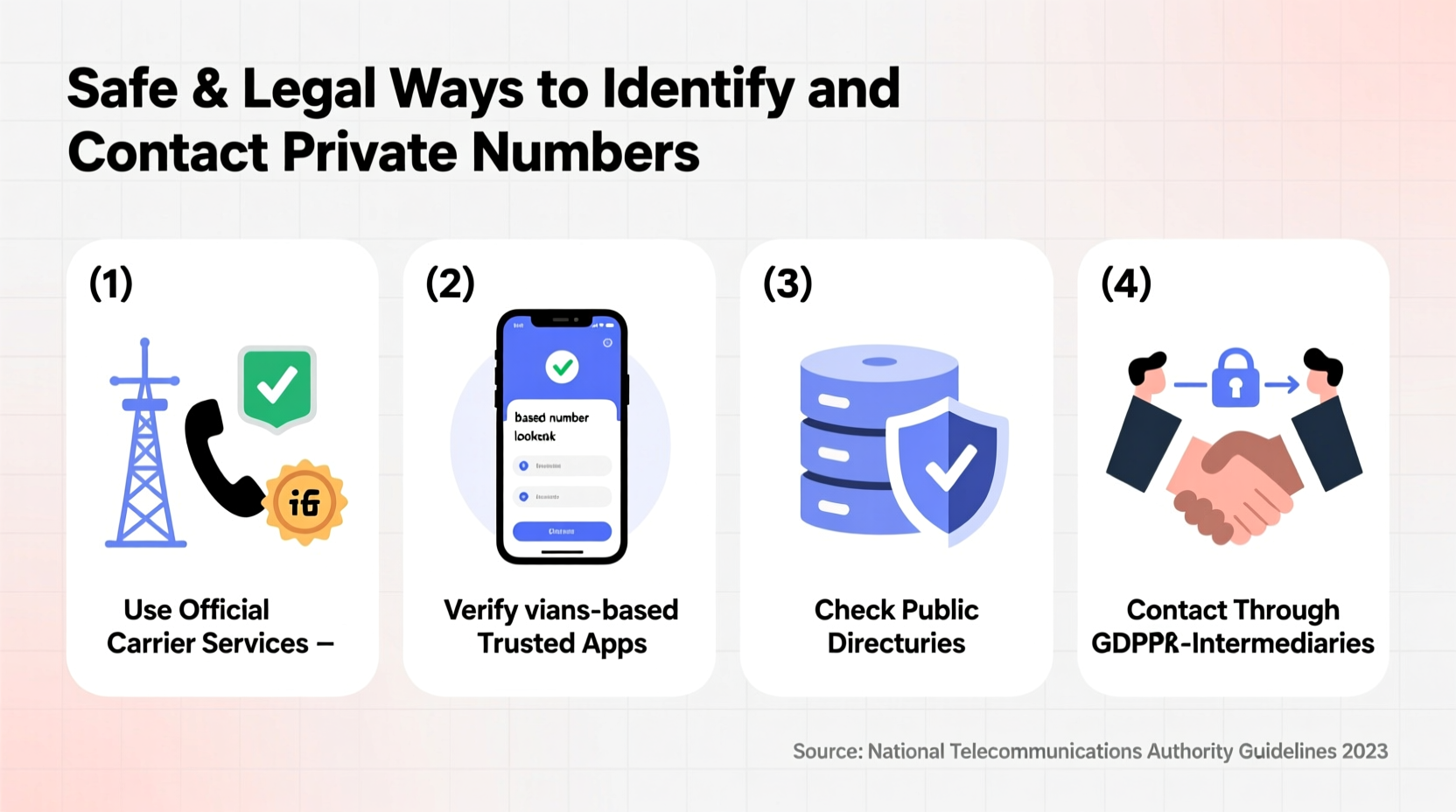
A private or blocked number appears when the caller has chosen to withhold their identity using built-in phone features or third-party apps. This can be done via *67 (in the U.S.), settings on smartphones, or VoIP services that mask caller ID. Legitimate reasons for using private numbers include:
- Healthcare professionals contacting patients confidentially
- Law enforcement or social workers making sensitive outreach
- Job recruiters avoiding personal number exposure
- Individuals protecting themselves from harassment
While anonymity serves important purposes, it also creates uncertainty for recipients. The key is responding intelligently—not reactively—when you receive such calls.
Legal and Ethical Boundaries When Investigating Unknown Calls
Before exploring identification methods, it's critical to understand what is—and isn’t—permissible under the law. In the United States, the Telephone Consumer Protection Act (TCPA) and Communications Assistance for Law Enforcement Act (CALEA) regulate how phone data can be accessed. Similar laws exist in Canada (PIPEDA), the UK (Data Protection Act), and the EU (GDPR).
You are generally allowed to:
- Use reverse lookup tools with publicly available data
- Contact someone back if they left a voicemail
- Report suspicious calls to authorities
You are not permitted to:
- Hire hackers or use spyware to unmask numbers
- Impersonate others to gain information
- Threaten or harass individuals after identifying them
- Use carrier-level tracking without authorization
“Privacy isn’t just a preference—it’s a right. Even when curiosity drives us, we must respect legal limits.” — David Lin, Cybersecurity Attorney at Harris & Reed LLP
Step-by-Step Guide to Safely Identify and Respond to Private Numbers
When you receive a call from a private number, follow this structured approach to assess and respond appropriately:
- Let it go to voicemail: Most genuine callers will leave a message. If they don’t, the urgency was likely low.
- Listen carefully to any recording: Note names, organizations, callback numbers, or contextual clues.
- Search the callback number (if provided): Use free tools like Truecaller, Whitepages, or Google to cross-reference.
- Check for patterns: Are you receiving repeated calls at odd hours? Is there an automated message? These could indicate robocalls.
- Return the call cautiously: If you decide to call back, do so during business hours and avoid giving personal details.
- Document everything: Keep logs of dates, times, and call content in case reporting becomes necessary.
This method minimizes risk while maximizing information gathering within legal bounds.
Tools and Services That Help Identify Unknown Callers
Several reputable tools assist in identifying unknown numbers—though none guarantee results for truly private lines. Below is a comparison of commonly used services:
| Tool | Free Features | Paid Features | Accuracy for Private Numbers |
|---|---|---|---|
| Truecaller | Spam detection, basic caller ID | Reverse search, SMS filtering | Moderate (relies on user database) |
| Whitepages | Limited reverse lookup | Full reports, background checks | Low to moderate (excludes fully private lines) |
| Google Voice | Call screening, spam blocking | Advanced analytics (business tier) | High for known spam numbers |
| Your Carrier’s App (e.g., AT&T Call Protect) | Basic spam alerts | Premium caller ID, scam blocking | High for real-time threats |
No tool can reveal a number intentionally hidden at the network level unless the caller chooses to disclose it. However, combining multiple tools increases the chances of spotting patterns or identifying spoofed numbers.
Real Example: Handling a Suspicious Private Number Call
Sarah, a small business owner in Portland, began receiving daily calls from a private number between 8–9 PM. No voicemail was left. Initially curious, she almost called back but decided to wait. On the fifth day, the caller finally left a message: “This is Mark from National Tax Relief. We’ve helped clients reduce IRS liabilities by up to 60%. Call us back at 1-800-XXX-XXXX.”
Sarah searched the callback number online and found multiple scam reports on the FTC website. She reported both the private line (via her carrier) and the public number to the Federal Trade Commission. Her phone stopped receiving calls within two days. More importantly, she avoided engaging with a potential phishing operation.
This scenario illustrates how patience and verification prevent harm—even when full identification isn’t possible.
Checklist: Safe Response Protocol for Private Number Calls
Use this checklist whenever you encounter an unknown or private-number call:
- ✅ Do not answer immediately if the number is unfamiliar
- ✅ Allow the call to reach voicemail
- ✅ Listen for identifying details in the message
- ✅ Search any provided number across trusted directories
- ✅ Avoid sharing personal information if returning the call
- ✅ Report persistent or threatening calls to your carrier and the FTC
- ✅ Enable spam protection features on your device
Frequently Asked Questions
Can I legally find out who owns a private number?
You cannot access carrier-protected private numbers without court authorization. However, if the caller leaves a message or uses a traceable number, you may use public tools to investigate. Always ensure your actions comply with privacy laws in your jurisdiction.
Is it safe to call back a private number?
Calling back carries minimal risk, but be cautious. Scammers sometimes use “number harvesting” techniques where answering or calling back confirms your number is active. If you do return the call, avoid providing personal, financial, or account information.
Why do scammers use private numbers?
They use them to appear more credible than typical spam numbers, evade filters, and avoid being traced. Spoofing technology also allows them to mimic local area codes, increasing the chance you’ll answer.
Conclusion: Stay Informed, Not Intimidated
Private numbers aren’t inherently dangerous—but they do require thoughtful handling. By relying on verified tools, understanding legal limits, and applying consistent response strategies, you protect yourself without overstepping ethical lines. Technology continues to evolve, and so should our awareness. Whether it’s a missed connection or a potential threat, staying calm and informed is your best defense.




 浙公网安备
33010002000092号
浙公网安备
33010002000092号 浙B2-20120091-4
Comments
No comments yet. Why don't you start the discussion?