
In an age where communication is constant and digital interactions are routine, receiving a call from a private or unknown number has become increasingly common. While some calls are legitimate—such as from healthcare providers, employers, or family members using temporary blocking—others may be scams, harassment attempts, or phishing operations. The challenge lies in identifying who is on the other end of the line without violating privacy laws or engaging in unethical practices. Fortunately, there are several safe, legal, and effective methods to verify private mobile numbers with minimal risk.
Understanding Private Numbers: What They Are and Why They Appear
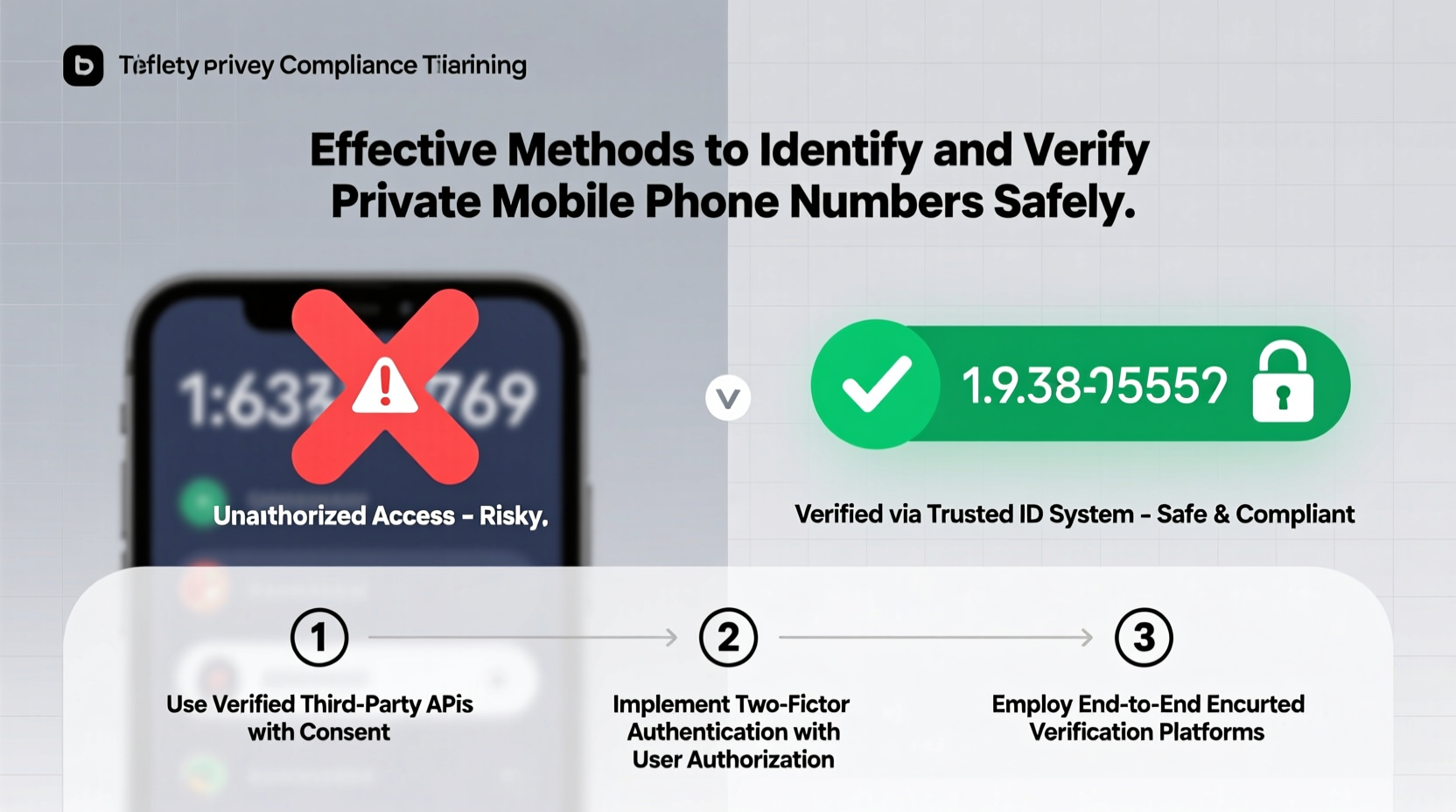
A private or blocked number occurs when the caller uses a feature to hide their identity. This can be done through carrier settings, third-party apps, or built-in smartphone functions. Common reasons include:
- Protecting personal privacy (e.g., doctors, counselors)
- Business outreach without revealing personal lines
- Telemarketing or automated systems
- Misuse by scammers or harassers
It’s important to note that while caller ID blocking is legal and widely available, attempting to bypass it through illegal means—such as unauthorized access to telecom databases—is not only unethical but also punishable under laws like the U.S. Communications Act and GDPR in Europe.
“Respecting privacy is just as critical as protecting yourself. The goal should be verification, not invasion.” — Sarah Lin, Digital Privacy Advocate at OpenNet Initiative
Legal and Ethical Methods to Identify Unknown Callers
The key to safely identifying a private number lies in using tools and strategies that comply with data protection regulations. Below are proven, non-invasive approaches.
1. Use Reverse Phone Lookup Services
Reputable reverse lookup platforms allow users to enter a phone number and receive publicly available information such as name, location, and carrier. While most free services offer limited details, paid options often provide more comprehensive reports.
2. Leverage Caller ID Apps with Community Databases
Applications like Truecaller, Hiya, and CallApp crowdsource data from millions of users. When someone receives a call, the app checks its global database to identify potential spam, scam, or business numbers.
These tools work best when integrated into your device’s dialer. Over time, as more users contribute data, the accuracy improves—even for previously private numbers that were reported after being unblocked during a call.
3. Enable Carrier-Based Call Protection
Major carriers now offer free call-blocking and labeling features:
| Carrier | Service Name | Features |
|---|---|---|
| AT&T | Call Protect | Spam detection, auto-blocking, caller ID |
| Verizon | Call Filter | Real-time threat analysis, fraud alerts |
| T-Mobile | Scam Shield | Free scam blocking, number spoofing protection |
These services analyze calling patterns and flag suspicious behavior, even if the number is hidden. They do not reveal the caller’s identity but help assess risk before answering.
Step-by-Step Guide to Safely Verify a Suspicious Number
If you’re consistently receiving calls from the same private number and suspect foul play, follow this structured approach:
- Do not answer immediately. Let the call go to voicemail. Legitimate callers usually leave messages.
- Check voicemail for clues. Listen for names, organizations, or return numbers.
- Use a reverse lookup tool. Enter the number into a trusted service to see if it’s registered anywhere.
- Search online forums. Sites like Reddit or specialized scam-report boards may have user reports about the number.
- Contact your carrier. Report persistent harassment; they may offer additional monitoring or tracing support.
- Document everything. Save timestamps, call logs, and voicemails in case you need to report to authorities.
When and How to Report Harassment or Fraud
If a private number is involved in threatening behavior, financial scams, or repeated unwanted contact, it should be reported. Law enforcement and regulatory agencies can investigate further—with proper evidence.
In the United States, file complaints with:
- FCC – Federal Communications Commission (fcc.gov/complaints)
- FTC – Federal Trade Commission (reportfraud.ftc.gov)
- Local police – Especially if threats involve physical harm
In the EU, report via national data protection authorities under GDPR guidelines. Always include call logs, recordings (where legally permissible), and any identifying details.
“Anonymous doesn’t mean untraceable. With enough pattern data and cooperation, even blocked numbers can be investigated.” — Detective Mark Reyes, Cybercrime Unit, LAPD
Common Myths and Misconceptions
Several myths persist about tracking private numbers. Understanding what’s false helps avoid risky decisions.
| Myth | Reality |
|---|---|
| Dialing *57 reveals the last caller’s number. | *57 is “call trace,” which only works if activated with law enforcement involvement—not instant or self-service. |
| Third-party apps can unblock all private calls. | No app can override carrier-level blocking unless the caller unblocks voluntarily. |
| All unknown numbers are scams. | Many professionals use private lines for confidentiality; judgment should be based on behavior, not status alone. |
Mini Case Study: Identifying a Repeated Private Caller
Jamie, a small business owner in Austin, began receiving daily calls from a private number. After three unanswered attempts, she received a voicemail claiming her website was down and urging her to call back immediately—a classic tech support scam tactic.
Instead of returning the call, Jamie used Truecaller to search the number. It was flagged by over 200 users as “spam risk.” She then entered it into the FTC’s complaint portal and discovered multiple fraud reports linked to the same digits. Armed with this data, she reported the number to her carrier and updated her team’s internal security protocol.
Within a week, the calls stopped. More importantly, no one in her office engaged with the scammer.
Checklist: Safe Verification Protocol
Follow this checklist whenever dealing with an unknown private number:
- ☐ Do not answer on the first ring—let it go to voicemail
- ☐ Use a reputable reverse lookup service
- ☐ Check community-driven apps for user reports
- ☐ Enable carrier-based scam protection
- ☐ Document frequency, timing, and content of calls
- ☐ Report persistent abuse to relevant authorities
- ☐ Never share personal information without verification
Frequently Asked Questions
Can I legally find out who owns a private number?
You cannot force disclosure of a private number’s owner, but you can use public records, reverse lookup services, and community data to gather clues. Any method must comply with privacy laws and terms of service.
Is it safe to use free phone lookup websites?
Some are legitimate, but many free sites collect your data or display misleading results to push paid subscriptions. Stick to well-reviewed platforms with clear privacy policies.
Why do I keep getting private calls with no message?
This could indicate a misdial, automated system testing lines, or a scammer checking for active numbers. If frequent, enable call filtering and consider changing your number if harassment persists.
Conclusion: Stay Informed, Stay Protected
Identifying and verifying private mobile numbers doesn’t require invasive tactics or questionable tools. By combining technology, awareness, and responsible habits, you can protect yourself while respecting others’ privacy. The most effective defense isn’t aggression—it’s vigilance.




 浙公网安备
33010002000092号
浙公网安备
33010002000092号 浙B2-20120091-4
Comments
No comments yet. Why don't you start the discussion?