
In an age where communication is instant and digital footprints are widespread, receiving a call from an unknown number has become routine. Whether it’s a missed call, a suspicious text, or repeated contact from an unfamiliar source, the natural reaction is curiosity—sometimes concern. While identifying who owns a phone number may seem straightforward, doing so safely and legally requires care, awareness, and the right tools.
Unauthorized tracking or misuse of personal data can lead to serious privacy violations and legal consequences. This guide outlines ethical, compliant, and effective strategies for identifying individuals behind phone numbers while respecting privacy laws and digital rights.
Understanding the Legal and Ethical Boundaries
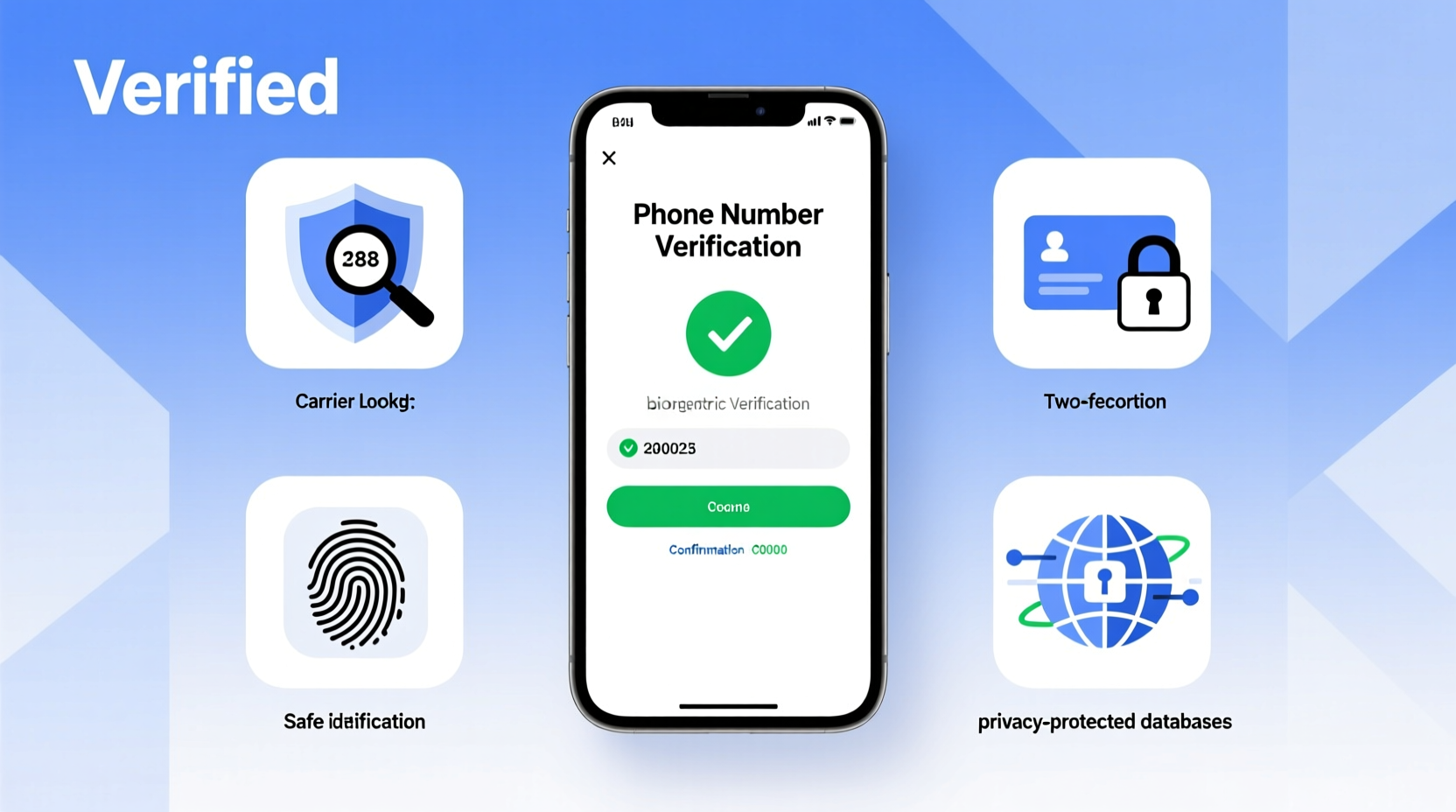
Before exploring identification methods, it's essential to understand what is legally permissible. In most jurisdictions, including the U.S. under the Telephone Consumer Protection Act (TCPA) and the EU under the General Data Protection Regulation (GDPR), accessing someone’s personal information without consent—especially for harassment or surveillance—is illegal.
Legitimate reasons for identifying a caller include:
- Verifying a business contact
- Protecting yourself from scams or threats
- Reconnecting with a lost acquaintance
- Confirming delivery or service calls
However, using this information for stalking, spamming, or impersonation crosses ethical and legal lines.
“Respect for privacy isn’t just a legal obligation—it’s a cornerstone of digital citizenship.” — Dr. Lena Patel, Cybersecurity & Privacy Researcher, Stanford University
Step-by-Step Guide: How to Identify a Phone Number Safely
When approached responsibly, identifying a phone number can be done efficiently and lawfully. Follow this structured process to ensure accuracy and compliance.
- Document the number and context: Record when you received the call, the time, frequency, and any messages left. This helps determine whether the contact is benign or potentially harmful.
- Check your contacts and social media: Sometimes numbers are saved under alternate names or linked to profiles on platforms like WhatsApp, Facebook, or LinkedIn.
- Use reverse phone lookup services: Reputable online tools can provide basic ownership details if the number is listed.
- Analyze caller behavior: Robocalls, silent calls, or aggressive messaging may indicate scam operations rather than personal contact.
- Contact your carrier for fraud reporting: If the number is harassing or threatening, report it through official channels.
Top Reverse Lookup Tools and Their Reliability
Not all reverse phone lookup services are created equal. Some offer free basic searches, while others provide detailed reports for a fee. Below is a comparison of widely used platforms based on accuracy, data sources, and user experience.
| Service | Free Search? | Paid Report Cost | Data Accuracy | Best For |
|---|---|---|---|---|
| Truecaller | Yes | $4.99/month | High (user-reported) | Mobile spam detection |
| Whitepages | Limited | $14.99/report | Moderate to High | Landline and residential lookups |
| Spokeo | No (trial only) | $54.85/3 months | Moderate | Background checks (with caution) |
| ZabaSearch | Yes | N/A | Low to Moderate | Public record scanning |
| Intelius | No | $24.95/report | High | Detailed identity verification |
Keep in mind that unlisted, mobile-only, or VoIP numbers (like those from Google Voice or Skype) are harder to trace and may not appear in public directories.
Real Example: Identifying a Suspicious Delivery Call
Sarah, a remote worker in Denver, began receiving daily calls from a local area code claiming to be a courier holding a package. Each time she answered, the line went silent. After three days, a text arrived with a link to “verify delivery address.” Concerned, Sarah searched the number on Truecaller, where over 200 users had flagged it as a scam. She reported the number to her carrier and avoided clicking the link—later confirming it led to a phishing site mimicking a major shipping company.
This case highlights how combining behavioral analysis with a reliable lookup tool can prevent fraud. It also underscores the importance of skepticism when dealing with unsolicited contact.
Common Mistakes to Avoid
Even well-intentioned efforts can go wrong if proper precautions aren’t taken. Here are key pitfalls and how to avoid them:
- Assuming all unknown numbers are dangerous: Many legitimate businesses use automated dialers. Investigate before labeling a number malicious.
- Using illegal spyware or SIM-swapping tools: These violate federal laws and can result in criminal charges.
- Sharing personal findings publicly: Posting someone’s name or address online based on a phone search can constitute doxxing.
- Relying solely on free databases: Outdated or crowd-sourced data may misidentify individuals, especially with recycled numbers.
Checklist: Safe Phone Number Investigation
Use this checklist to verify a phone number responsibly:
- ☐ Document the number, time, and nature of contact
- ☐ Search the number on Google and social media
- ☐ Use a trusted reverse lookup service (e.g., Truecaller or Whitepages)
- ☐ Check user reviews or scam reports associated with the number
- ☐ Avoid direct engagement if signs of fraud are present
- ☐ Report persistent harassment to your phone carrier or the FTC
- ☐ Never disclose personal findings to third parties
Frequently Asked Questions
Can I find someone’s name from a phone number for free?
Yes, but with limitations. Free services like Truecaller, ZabaSearch, or a simple Google search may reveal names if the number is publicly listed or linked to social profiles. However, mobile carriers often restrict access to subscriber information, so results aren't guaranteed.
Is it legal to look up someone’s phone number?
Yes, as long as you use publicly available information and do not intend to harass, threaten, or deceive. Using data for stalking, blackmail, or unauthorized surveillance violates privacy laws and can lead to civil or criminal penalties.
What should I do if a number won’t show up in searches?
A missing result doesn’t necessarily mean the number is fake. It could be unlisted, newly issued, or a VoIP line. Consider monitoring for patterns—if it repeatedly calls or sends suspicious messages, report it via your carrier’s spam reporting feature (e.g., text “SPAM” to 7726).
Conclusion: Stay Informed, Stay Protected
Identifying someone by their phone number doesn’t require invasive tactics or questionable tools. With the right approach—rooted in legality, critical thinking, and reliable resources—you can protect yourself from scams, reconnect with contacts, or simply satisfy harmless curiosity. Technology empowers us, but with that power comes responsibility. Always prioritize respect for privacy and due diligence over speed or convenience.




 浙公网安备
33010002000092号
浙公网安备
33010002000092号 浙B2-20120091-4
Comments
No comments yet. Why don't you start the discussion?