
A bright, clear eye is often associated with youth, vitality, and good health. While many turn to over-the-counter whitening drops for immediate results, long-term eye clarity depends on deeper wellness factors. Yellowing or bloodshot eyes can stem from fatigue, dehydration, environmental stressors, or underlying health conditions. Rather than masking symptoms, a natural approach targets the root causes—supporting both ocular appearance and long-term vision health. The following strategies combine nutrition, hydration, sleep hygiene, and protective habits to help restore the whites of your eyes and promote lasting eye wellness.
Nutrition: Fuel Your Eyes from Within
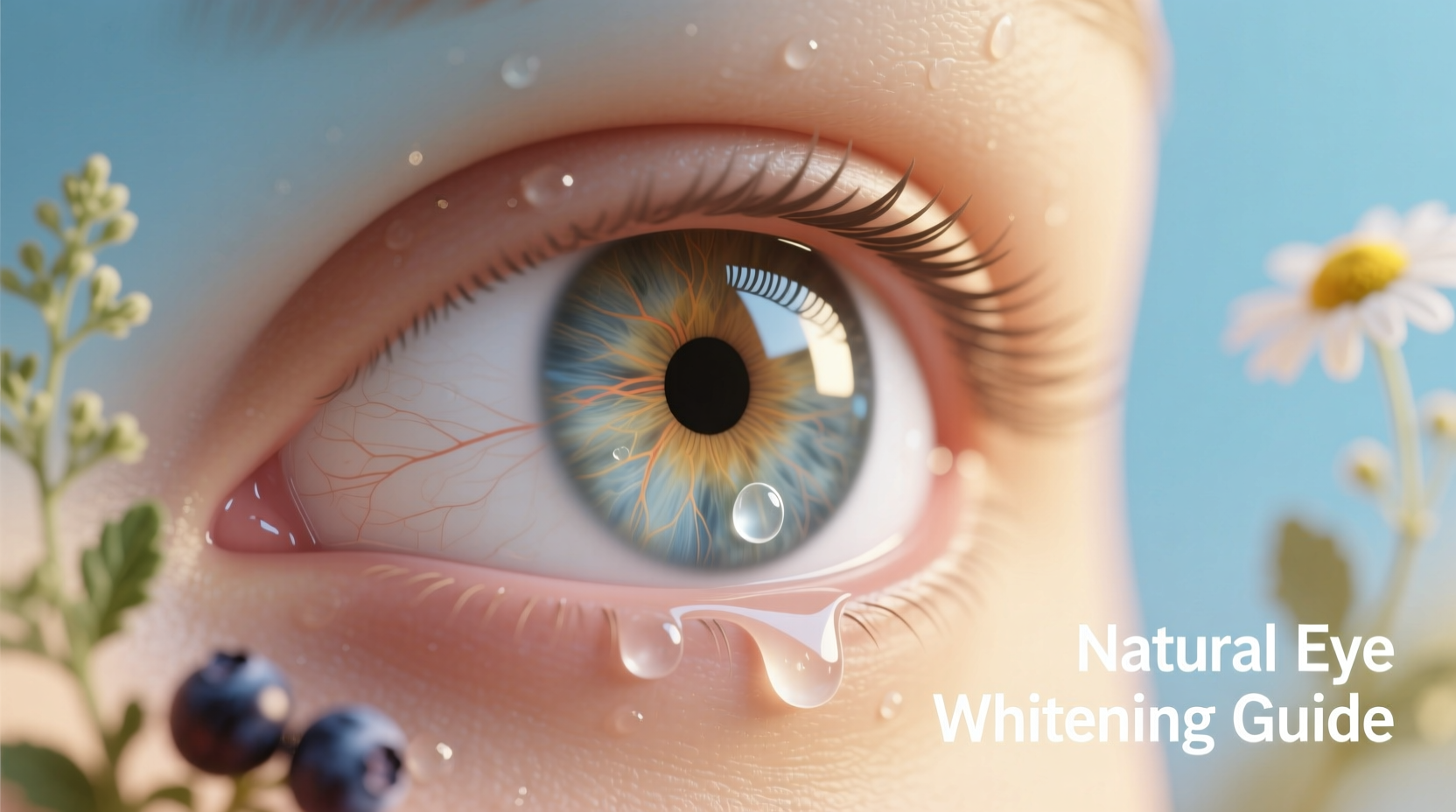
Diet plays a pivotal role in maintaining eye clarity and reducing inflammation that leads to redness or discoloration. Certain nutrients directly support capillary strength, reduce oxidative stress, and protect the sclera (the white part of the eye) from yellowing due to bilirubin buildup or sun damage.
- Vitamin C: Strengthens blood vessels in the eyes and reduces broken capillaries. Found in citrus fruits, bell peppers, and broccoli.
- Vitamin A: Essential for corneal health and tear production. Deficiency can lead to dry, irritated eyes. Sources include sweet potatoes, carrots, and spinach.
- Omega-3 Fatty Acids: Reduce inflammation and support tear film stability, minimizing redness from dry eye syndrome. Found in fatty fish, flaxseeds, and chia seeds.
- Lutein and Zeaxanthin: These carotenoids accumulate in the retina and filter harmful blue light, protecting overall eye integrity. Found in kale, collard greens, and eggs.
Hydration and Liver Health: Clear Eyes Start Internally
The liver processes toxins and regulates bilirubin—a pigment formed from the breakdown of red blood cells. Elevated bilirubin levels can cause yellowing of the sclera, a condition known as jaundice. While clinical jaundice requires medical attention, mild scleral yellowing may reflect suboptimal liver function or chronic dehydration.
Staying well-hydrated helps flush out metabolic waste and supports efficient liver detoxification. Aim for 2–3 liters of water daily, adjusting for activity level and climate. Herbal teas like dandelion root and milk thistle are traditionally used to support liver health and may contribute to clearer eyes over time.
“Eye whiteness is often a mirror of systemic health. Chronic dehydration or poor liver metabolism can manifest visibly in the eyes before blood tests detect abnormalities.” — Dr. Lena Torres, Integrative Ophthalmologist
Protective Habits for Daily Eye Wellness
Environmental exposure contributes significantly to eye redness and irritation. UV radiation, air pollution, and prolonged screen use strain the delicate vascular network in the eyes. Implementing protective routines minimizes cumulative damage.
| Habit | Benefit | How to Practice |
|---|---|---|
| Wear UV-blocking sunglasses | Prevents sun-induced yellowing and pinguecula formation | Choose wraparound styles with 100% UVA/UVB protection |
| Follow the 20-20-20 rule | Reduces digital eye strain and dryness | Every 20 minutes, look at something 20 feet away for 20 seconds |
| Use a humidifier indoors | Maintains moisture in dry environments | Especially helpful in heated or air-conditioned rooms |
| Avoid smoking and secondhand smoke | Smoke irritates eyes and accelerates oxidative damage | Quitting improves circulation and ocular surface health |
Step-by-Step Guide to a 7-Day Eye Revitalization Plan
For those seeking noticeable improvements in eye clarity within a week, this structured plan combines dietary, behavioral, and restorative practices.
- Day 1–2: Detox & Hydrate – Eliminate alcohol and processed foods. Drink at least 2.5 liters of water daily. Add lemon or cucumber for flavor and mild diuretic effect.
- Day 3–4: Nutrient Boost – Increase intake of leafy greens, berries, and omega-3-rich foods. Take a high-quality fish oil supplement if needed.
- Day 5: Screen Reset – Limit screen time after 8 PM. Use blue light filters during daytime use. Practice palming (cupping hands over closed eyes without pressure) for 5 minutes to relax ocular muscles.
- Day 6: Sleep Optimization – Prioritize 7–8 hours of uninterrupted sleep. Use a cool, dark room and consider magnesium supplementation to improve sleep quality.
- Day 7: Assess & Maintain – Observe changes in eye clarity, comfort, and brightness. Note any reduction in redness or morning dryness. Continue successful habits into ongoing routine.
Mini Case Study: Reversing Screen-Induced Redness Naturally
James, a 34-year-old software developer, noticed persistent redness and a dull yellow tint in his eyes after years of late-night coding and minimal outdoor time. He avoided eye drops due to rebound redness and sought a natural solution. Over six weeks, he implemented three key changes: drinking 3 liters of water daily, eating two servings of dark leafy greens, and wearing blue-light glasses after sunset. He also began taking a daily omega-3 supplement and committed to 20-minute morning walks outdoors. By week five, colleagues commented on his “brighter” appearance. His eye redness diminished significantly, and the scleral hue appeared noticeably whiter. An optometrist confirmed improved tear film stability and no signs of infection or disease.
Common Myths and Mistakes to Avoid
Not all eye-whitening advice is beneficial. Some popular methods can do more harm than good.
- Overuse of vasoconstrictor eye drops: Products like Visine shrink blood vessels temporarily but can cause rebound redness with prolonged use.
- Relying on lemon juice or hydrogen peroxide: These are highly irritating and can damage the cornea. Never apply undiluted substances to the eye area.
- Ignoring systemic symptoms: Sudden or progressive yellowing may indicate liver issues, gallbladder disease, or anemia—seek medical evaluation if changes persist.
FAQ
Can lack of sleep really affect the color of my eyes?
Yes. Chronic sleep deprivation increases cortisol and inflammation, leading to dilated capillaries and darker, bloodshot eyes. It can also impair liver detoxification, contributing to mild scleral yellowing over time.
Are there any supplements specifically for eye whitening?
No supplement is marketed solely for \"eye whitening,\" but those supporting liver health (like milk thistle), antioxidant status (vitamin C, lutein), and vascular integrity (bioflavonoids) can indirectly improve eye clarity.
How long does it take to see results from natural methods?
Most people notice reduced redness within 3–7 days of consistent hydration and screen breaks. Improvements in scleral brightness may take 2–6 weeks, depending on baseline health and adherence.
Checklist: Daily Habits for Whiter, Healthier Eyes
- ✅ Drink at least 2 liters of water
- ✅ Eat one serving of leafy greens
- ✅ Take a break from screens every 20 minutes
- ✅ Wear sunglasses outdoors
- ✅ Get 7+ hours of quality sleep
- ✅ Avoid alcohol and smoking
- ✅ Practice palming or gentle eye massage
Conclusion
Truly healthy, white eyes are not achieved through quick fixes but through sustained, holistic care. By supporting liver function, staying hydrated, nourishing the body with antioxidants, and protecting the eyes from environmental stress, you cultivate lasting clarity and vibrancy. These natural methods go beyond aesthetics—they enhance visual comfort, reduce strain, and reflect a deeper commitment to wellness. Begin with one or two changes, build consistency, and observe the transformation not just in your eyes, but in your overall energy and well-being.




 浙公网安备
33010002000092号
浙公网安备
33010002000092号 浙B2-20120091-4
Comments
No comments yet. Why don't you start the discussion?