
Squeaky shoes can be more than just an annoyance—they disrupt quiet environments, undermine confidence during presentations, and signal poor maintenance. Whether it’s a rhythmic chirp with every step or an intermittent creak under pressure, the root causes are often fixable with simple, targeted solutions. Understanding why shoes squeak—and how to stop it—can transform your walking experience into one that’s smooth, silent, and comfortable.
The sound typically originates from friction between layers of material, trapped moisture, or loose components within the sole or insole. Fortunately, most cases don’t require replacement. With the right approach, you can silence your shoes quickly and extend their usable life.
Understanding Why Shoes Squeak
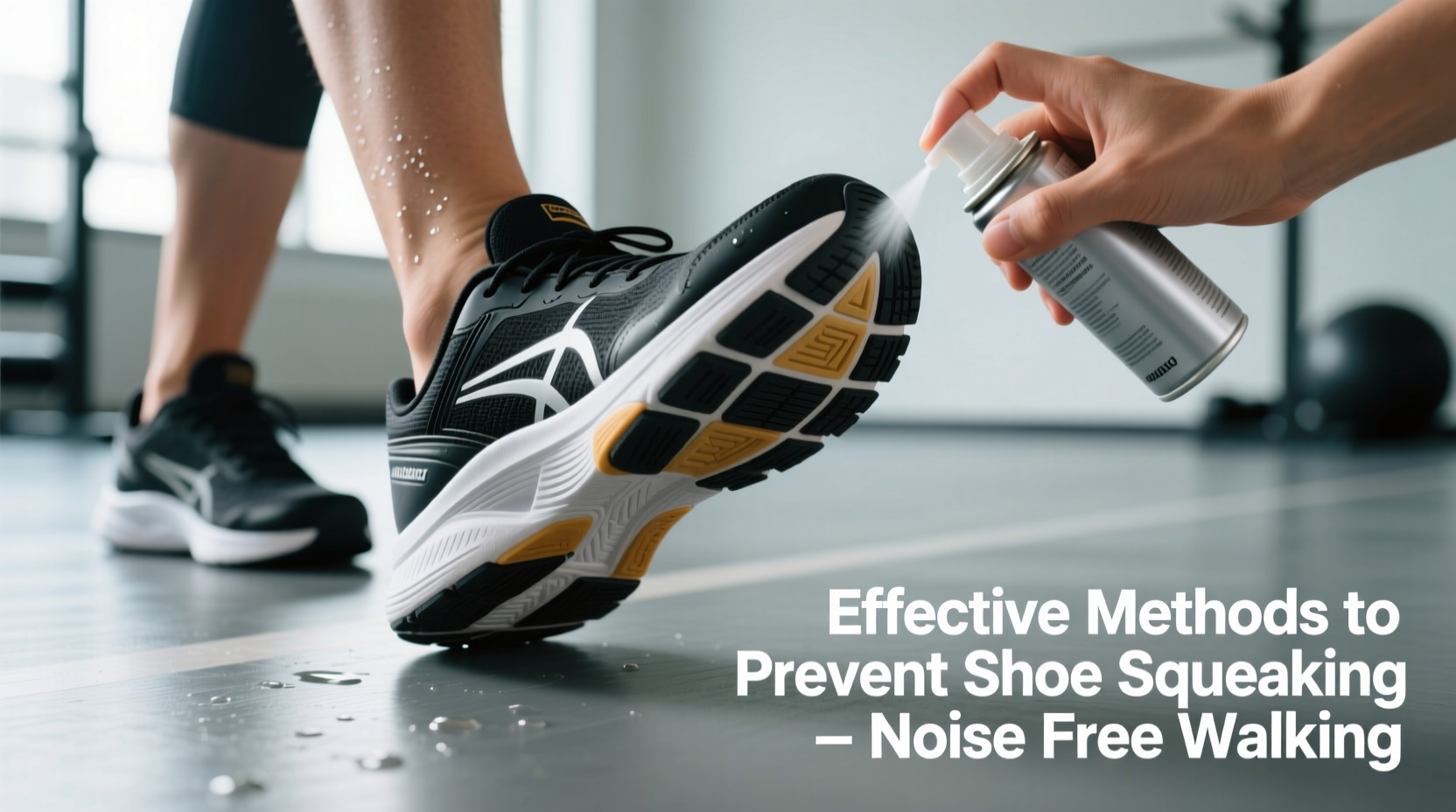
Shoe squeaking is rarely random. It usually stems from specific mechanical or environmental factors. Identifying the source is the first step toward resolution.
- Insole friction: The insole rubbing against the midsole or outsole creates a high-pitched noise, especially when dry or slightly loose.
- Moisture buildup: Dampness inside the shoe, particularly in leather or fabric uppers, can cause materials to swell and rub together.
- Air pockets: Some cushioned soles trap air that compresses and releases with each step, producing a squeak.
- Loose soles: Separation between the outsole and midsole allows movement and vibration, generating sound.
- Dirt or debris: Small particles caught between layers act as abrasives, increasing friction.
While some causes require professional repair, many can be addressed at home with everyday tools and materials.
Step-by-Step Guide to Silence Squeaky Shoes
Follow this structured process to diagnose and eliminate the source of the noise efficiently.
- Remove the insole: Use your fingers or a spoon edge to gently lift the insole from the heel end. Inspect both the underside of the insole and the shoe bed.
- Clean both surfaces: Wipe away dust, lint, or moisture with a dry cloth. If damp, let both parts air-dry completely before proceeding.
- Apply a friction reducer: Lightly dust the shoe bed with baby powder, cornstarch, or talc-free foot powder. These absorb moisture and reduce surface tension.
- Reinsert the insole: Press it firmly back into place, ensuring full contact without wrinkles or bubbles.
- Test walk: Walk on a hard surface to check if the squeak persists. If it does, proceed to deeper inspection.
- Check for sole separation: Examine the perimeter of the sole. If you see gaps or movement, the bond may be failing.
- Treat moisture issues: For damp shoes, insert crumpled newspaper or silica gel packets overnight to draw out moisture.
Do’s and Don’ts When Fixing Squeaky Shoes
| Do’s | Don’ts |
|---|---|
| Use baby powder or cornstarch to reduce insole friction | Apply grease, oils, or petroleum jelly inside the shoe |
| Let wet shoes dry naturally at room temperature | Place shoes near radiators or direct heat sources |
| Tap loose soles gently with a rubber mallet to reseat them | Ignore visible sole separation—it may worsen over time |
| Store shoes in breathable cloth bags in a dry closet | Keep shoes in plastic bins where moisture can accumulate |
| Rotate footwear regularly to allow rest and drying | Wear the same pair daily without allowing ventilation |
Expert Insight: What Footwear Specialists Recommend
Footwear longevity and comfort depend heavily on maintenance habits. Industry professionals emphasize proactive care over reactive fixes.
“Most squeaks come from preventable issues—moisture retention and lack of rotation. Treating shoes like tools of support, not disposable fashion, makes all the difference.” — Marcus Lin, Master Cobbler & Footwear Consultant, Boston Shoe Repair Guild
Lin also notes that modern manufacturing techniques, while cost-effective, sometimes sacrifice structural integrity. “Many shoes today use glued soles instead of stitched ones. That glue can weaken faster, especially with exposure to water or extreme temperatures,” he explains. Regular inspection helps catch early signs of wear before they become audible.
Real Example: How a Teacher Fixed Her Classroom Squeakers
Sarah, a third-grade teacher in Portland, struggled with her favorite pair of supportive flats squeaking loudly during lessons. Each step echoed across the quiet classroom, distracting students and making her self-conscious.
She tried tightening straps and changing socks but saw no improvement. After removing the insole, she noticed fine white powder—dried sweat residue—on the shoe bed. She cleaned both surfaces, applied a light layer of cornstarch, and let the shoes air overnight. The next morning, the squeaking had vanished.
“I didn’t realize how much moisture my feet were creating,” she said. “Now I rotate three pairs during the week and sprinkle a little powder in each before wearing. Total game-changer.”
Comprehensive Checklist to Prevent Future Squeaking
Prevention is more effective than repair. Use this checklist monthly or whenever you notice early warning signs.
- ✅ Remove insoles and clean both surfaces monthly
- ✅ Sprinkle moisture-absorbing powder inside shoes before wearing
- ✅ Allow wet shoes to dry naturally, away from direct heat
- ✅ Rotate at least two to three pairs weekly to reduce strain
- ✅ Inspect soles for lifting or cracks every six weeks
- ✅ Store shoes in ventilated areas, never in sealed plastic
- ✅ Replace worn insoles every 6–12 months, depending on use
- ✅ Avoid walking through puddles or wet grass in non-waterproof shoes
Frequently Asked Questions
Why do my new shoes squeak?
New shoes often squeak due to factory lubricants, tight stitching, or stiff materials adjusting to pressure. This usually resolves after a few wears. If not, check for insole friction or trapped air in cushioned soles.
Can I use hairspray to stop shoe squeaking?
No. Hairspray contains alcohol and resins that can degrade adhesives and discolor materials. While it might temporarily stiffen loose layers, it risks long-term damage and isn’t recommended by cobblers.
When should I take squeaky shoes to a cobbler?
If the squeak comes from a visibly loose sole, broken shank, or delaminating midsole, professional repair is best. A cobbler can reattach soles, reinforce structure, and apply industrial-grade adhesives safely.
Conclusion: Walk Silently, Walk Confidently
Silencing squeaky shoes doesn’t require magic—just observation, basic materials, and consistent care. From applying a pinch of powder to rotating your footwear wisely, the solutions are accessible and effective. Ignoring the squeak only prolongs discomfort and risks further damage. By understanding the mechanics behind the noise and acting promptly, you preserve both function and dignity in every step.




 浙公网安备
33010002000092号
浙公网安备
33010002000092号 浙B2-20120091-4
Comments
No comments yet. Why don't you start the discussion?