
Cat litter accidents happen—even in the most well-trained households. Whether it’s tracked clumps across the kitchen floor, a spill from an overturned box, or an unexpected mess on the carpet, dried litter and moisture can leave behind stubborn stains and odors. The key to successful cleanup lies not just in removing visible residue but in doing so without damaging surfaces or leaving lingering smells that invite repeat incidents. With the right techniques, tools, and timing, you can restore your home to a clean, fresh state using safe, accessible solutions.
Understanding Cat Litter Stains: What Makes Them Tricky?
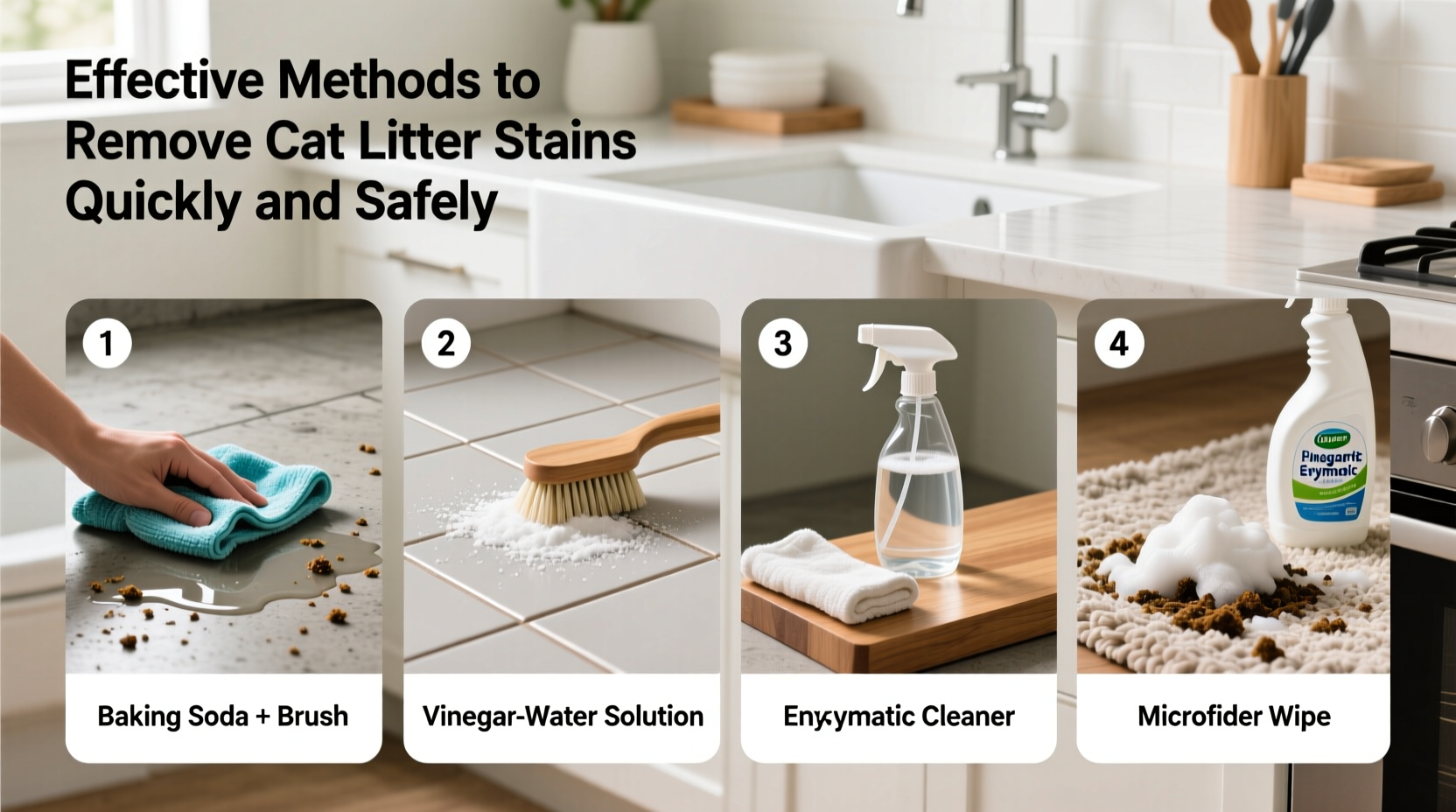
Cat litter isn’t just dirt—it's a complex mixture designed to absorb moisture, control odor, and clump when wet. This very design makes it particularly challenging to clean once spilled or tracked. Clay-based litters can leave fine dust that embeds into grout and carpet fibers. Silica gel crystals may scatter and scratch delicate surfaces if not swept carefully. Natural litters made from wood, paper, or corn are biodegradable but can swell and discolor when wet.
The real issue arises when urine is involved. Even if the solid waste is removed, residual moisture trapped beneath the surface can lead to mold, mildew, and persistent ammonia odors. Worse, many commercial cleaners contain harsh chemicals that may degrade flooring finishes or irritate pets and children. A smart cleaning strategy balances effectiveness with safety, targeting both the physical stain and its underlying causes.
“Pet owners often underestimate how deeply litter particles penetrate porous surfaces. Immediate action and pH-balanced cleaners are critical.” — Dr. Lena Peterson, DVM & Home Pet Environment Specialist
Step-by-Step Guide: Removing Cat Litter Stains by Surface Type
Different surfaces require tailored approaches. Using the wrong method can spread stains, cause etching, or lock in odors. Follow this systematic guide based on common household materials.
For Hard Floors (Tile, Vinyl, Laminate, Hardwood)
- Sweep or vacuum thoroughly: Use a soft-bristle broom or vacuum with a hard-surface attachment to lift dry litter. Avoid pushing debris into grout lines.
- Treat wet or sticky residues: Mix one cup warm water with one tablespoon white vinegar and a few drops of dish soap. Apply sparingly with a microfiber cloth.
- Mop gently: For larger areas, use a damp (not wet) mop. Excess moisture damages laminate and hardwood.
- Rinse and dry: Wipe with clean water, then immediately dry with a towel to prevent warping or haze.
For Carpets and Rugs
- Remove solids first: Scoop up clumps with a spoon or spatula. Don’t rub—this pushes material deeper.
- Vacuum dry residue: Use a crevice tool for edges and high-pile areas.
- Blot any moisture: Place a dry towel over the spot and press firmly to absorb liquids.
- Apply enzyme cleaner: Spray a pet-safe enzymatic solution (like Nature's Miracle) directly onto the area. Let sit 5–10 minutes.
- Blot again, then air dry: Use clean cloths to lift residue. Ensure full drying to prevent mildew.
For Upholstery and Furniture
- Check the fabric care code (usually found under cushions).
- Use a dry brush to remove loose particles.
- For “W” coded fabrics: Dampen a cloth with water-vinegar solution (1:1), dab lightly, then blot dry.
- For “S” coded (solvent-only): Use a dry-cleaning sponge or consult a professional.
- Always test in an inconspicuous area first.
Do’s and Don’ts: Best Practices for Safe, Effective Cleaning
| Do | Don't |
|---|---|
| Act quickly—clean spills within minutes when possible | Delay cleanup; dried litter is harder to remove |
| Use enzyme-based cleaners for organic residues | Use ammonia or bleach—these mimic urine scent and attract cats back |
| Vacuum thoroughly before wet cleaning | Vacuum wet spots—can clog filters and spread bacteria |
| Test cleaners on hidden areas first | Assume all natural cleaners are safe—vinegar can etch stone |
| Air out the room during and after cleaning | Seal in odors with air fresheners—they mask but don’t eliminate |
Real Example: How One Homeowner Saved Her Light-Colored Carpet
Sarah, a cat owner in Portland, discovered a large clumping litter spill on her beige wool-blend carpet after her new kitten knocked over the box. Initially, she used a damp cloth to wipe the area, which only smeared the moist clumps. Within hours, a yellowish ring began to appear—the early sign of urine oxidation.
She switched tactics: first, she vacuumed the dry remnants, then applied an enzymatic cleaner recommended by her vet. She covered the spot with a clean towel weighted down by a book overnight. By morning, the stain was gone, and the odor had dissipated. Sarah now keeps a dedicated pet-stain kit under her sink and places a washable mat under the litter box—a simple change that reduced tracking by 90%.
Essential Checklist: Quick Response to Cat Litter Spills
Keep this checklist handy in your cleaning cabinet or phone notes for fast reference:
- ☐ Remove solids with a scoop or spoon—no rubbing
- ☐ Vacuum dry particles thoroughly (use attachments for corners)
- ☐ Blot wet areas with absorbent towels—press, don’t wipe
- ☐ Identify surface type (carpet, hardwood, tile, etc.)
- ☐ Choose appropriate cleaner (enzyme-based for organic stains, pH-neutral for floors)
- ☐ Test cleaner on hidden spot first
- ☐ Apply cleaner as directed, allow dwell time
- ☐ Blot or rinse, then dry completely
- ☐ Reapply if necessary, especially for older stains
- ☐ Deodorize naturally with baking soda (after cleaning, not before)
Frequently Asked Questions
Can I use vinegar to clean cat litter stains on stone floors?
No. Vinegar is acidic and can etch marble, limestone, or travertine. For stone surfaces, use a pH-neutral stone cleaner and avoid any citrus or vinegar-based solutions.
Why does the smell come back after cleaning?
Odors return when urine penetrates below the surface—into padding or subfloor. Enzymatic cleaners break down odor-causing bacteria, but multiple applications may be needed. If the smell persists, consider professional deep cleaning or inspection for hidden saturation.
Is baking soda safe to use with cat litter stains?
Yes, but only after initial cleaning. Sprinkle baking soda on carpets post-treatment to neutralize odors before vacuuming. Avoid mixing it with vinegar on the same surface—it creates a foaming reaction that reduces effectiveness.
Final Thoughts: Prevention Is Part of the Solution
While knowing how to remove cat litter stains effectively is essential, minimizing future messes is equally important. Position litter boxes away from high-traffic zones but in quiet, accessible locations. Use deeper trays or covered boxes for cats that dig vigorously. Opt for low-tracking litter formulas, and groom long-haired cats regularly to reduce litter clinging to fur.
Consistent maintenance—not just reactive cleaning—creates a healthier environment for both pets and people. With the right knowledge and supplies, even the most stubborn stains can be handled swiftly and safely.




 浙公网安备
33010002000092号
浙公网安备
33010002000092号 浙B2-20120091-4
Comments
No comments yet. Why don't you start the discussion?