
Dog food residue in feeding bowls is more than just an aesthetic issue—it's a breeding ground for bacteria, mold, and lingering odors that can compromise your pet’s health. Whether your dog eats wet, dry, or raw food, leftover particles cling to surfaces, especially in textured or scratched bowls. Over time, this buildup leads to biofilm formation, which even regular rinsing may not eliminate. A clean bowl isn’t optional; it’s essential for maintaining your pet’s digestive health and overall well-being. Understanding how to effectively remove stubborn residue ensures a consistently sanitary feeding environment.
The Hidden Risks of Dirty Dog Bowls
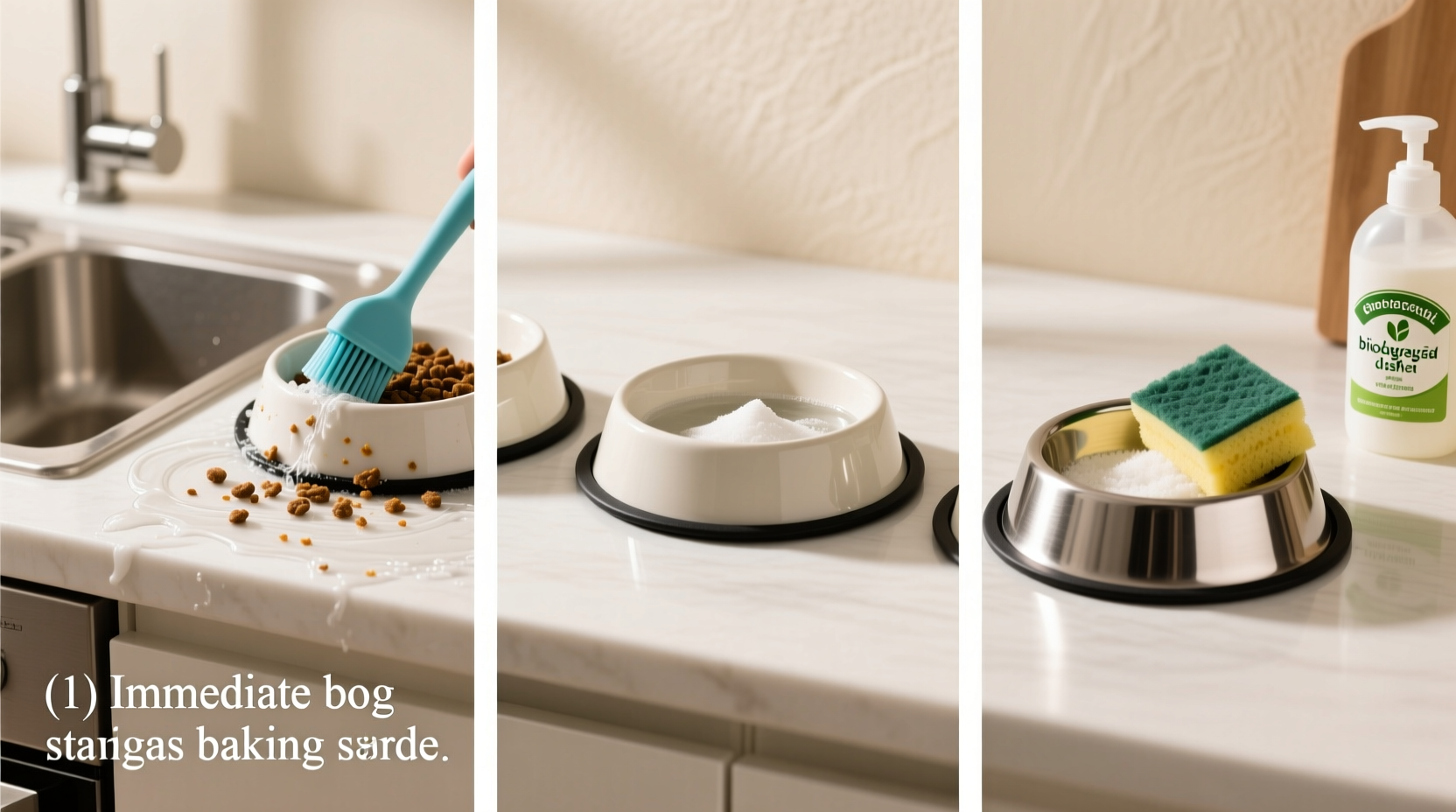
Many pet owners assume that rinsing a bowl after each meal is sufficient. However, studies have shown that dog bowls—particularly plastic ones—can harbor dangerous pathogens like E. coli, Salmonella, and yeast. Moisture-trapping residues from wet food accelerate microbial growth, especially when bowls are left damp between uses. Biofilms, slimy layers formed by bacterial colonies, adhere tightly to bowl surfaces and resist standard cleaning methods. These invisible threats can lead to gastrointestinal issues, bad breath, and skin infections around the mouth.
“Pet feeding bowls are among the most contaminated items in homes with animals. Without proper cleaning, they pose real health risks.” — Dr. Laura Henderson, DVM, Veterinary Preventive Care Specialist
Best Cleaning Methods by Bowl Material
Not all dog bowls respond the same way to cleaning agents and techniques. The material—stainless steel, ceramic, plastic, or silicone—dictates the safest and most effective cleaning approach. Using inappropriate tools or chemicals can damage the bowl or leave harmful residues.
| Material | Recommended Cleaning Method | Avoid |
|---|---|---|
| Stainless Steel | Dishwasher-safe; use hot water, dish soap, and a non-abrasive sponge. For stains, soak in baking soda paste. | Steel wool (can scratch), bleach-soaked cloths (can corrode if not rinsed) |
| Ceramic | Hand wash with warm soapy water. Soak in vinegar solution for odor removal. Check for cracks where bacteria hide. | Extreme temperature changes (can cause cracking), dishwasher if not labeled safe |
| Plastic | Wash immediately after use. Replace every 3–6 months due to micro-scratches that trap bacteria. | Bleach (can degrade material), abrasive scrubbers |
| Silicone | Dishwasher-safe (top rack). Boil for deep sanitizing. Resistant to staining and odor absorption. | High-heat oven exposure (can warp) |
Step-by-Step Deep Cleaning Routine
Daily rinsing isn't enough. A weekly deep clean removes embedded grime and prevents long-term contamination. Follow this proven process:
- Empty and rinse immediately: Remove leftover food right after feeding to prevent drying and sticking.
- Soak in warm, soapy water: Use a dedicated pet dish brush and dish soap. Let sit for 10–15 minutes to loosen residue.
- Scrub thoroughly: Focus on crevices, rims, and the bottom. Use a bottle brush for raised edges or textured bases.
- Sanitize: Choose one method:
- Soak in 1:50 bleach-to-water solution for 10 minutes (rinse extremely well).
- Use white vinegar soak (1:1 vinegar and water) for 30 minutes—ideal for odor and mildew.
- Boil metal or silicone bowls for 5 minutes (do not boil plastic or ceramic).
- Rinse and dry completely: Air-dry upside down on a clean rack. Avoid towel-drying, which can transfer lint and bacteria.
Real Example: How One Owner Reduced Her Dog’s Digestive Issues
Sarah, a pet owner from Portland, noticed her Labrador, Max, was frequently licking his paws and had recurring stomach upset. After ruling out dietary allergies, her vet suggested evaluating Max’s feeding hygiene. She switched from a scratched plastic bowl to stainless steel and implemented a nightly dishwasher cycle plus a weekly vinegar soak. Within three weeks, Max’s symptoms improved significantly. A lab test on the old bowl later revealed high levels of Pseudomonas bacteria—likely the culprit behind his discomfort. This case underscores how overlooked bowl hygiene can directly impact pet health.
Pro Tips for Preventing Buildup and Odor
Prevention reduces the need for aggressive cleaning and extends bowl life. Small habits make a big difference:
- Wash the bowl immediately after each use, especially after wet or raw food.
- Use elevated feeders to minimize contact with floor debris and reduce splashback.
- Rotate between two bowls so one can air-dry fully while the other is in use.
- Store dry food in sealed containers and avoid mixing old and new batches in the bowl.
- For raw diets, sanitize the bowl immediately after feeding—never let residue sit.
Essential Checklist for a Hygienic Feeding Routine
- Daily:
- ✓ Wash bowl with hot, soapy water after each use
- ✓ Inspect for visible residue or odor
- ✓ Allow complete air drying before reuse
- Weekly:
- ✓ Perform a deep clean using vinegar or diluted bleach
- ✓ Check for wear and tear on the bowl
- ✓ Clean the feeding mat or tray underneath
- Monthly:
- ✓ Replace plastic bowls if scratched
- ✓ Re-evaluate bowl type based on your dog’s eating habits
- ✓ Sanitize storage containers for dry food
Frequently Asked Questions
Can I use dish soap made for humans on my dog’s bowl?
Yes, but ensure it’s free of harsh additives, dyes, and artificial fragrances. Rinse thoroughly to avoid any chemical residue. Unscented or natural dish soaps are safest.
How often should I replace my dog’s food bowl?
Stainless steel and ceramic bowls last years if undamaged. Plastic bowls should be replaced every 3–6 months due to microscopic scratches that harbor bacteria, even if they look clean.
Is it safe to put dog bowls in the dishwasher?
Most stainless steel, silicone, and labeled ceramic bowls are dishwasher-safe. Place them on the top rack to avoid warping and ensure full detergent contact. Never put cracked or chipped bowls in the dishwasher, as they can’t be properly sanitized.
Conclusion: Make Cleanliness a Non-Negotiable Habit
Maintaining a clean dog food bowl is a simple yet powerful act of care. It prevents illness, supports digestion, and reflects the level of attention you give to your pet’s daily needs. Effective residue removal isn’t about perfection—it’s about consistency. By choosing the right materials, following a structured cleaning routine, and staying vigilant for signs of wear, you create a safer feeding experience. Your dog depends on you for more than meals; they rely on you for a healthy environment, one bowl at a time.




 浙公网安备
33010002000092号
浙公网安备
33010002000092号 浙B2-20120091-4
Comments
No comments yet. Why don't you start the discussion?