
Dye transfer—when color from one garment bleeds into another during washing—is a common yet frustrating laundry issue. It often occurs when dark or brightly colored fabrics are washed with lighter ones, especially in warm water or when detergents fail to suspend loose dyes. While removing these stains is possible, many home remedies risk further damage by stripping color or weakening fibers. The key lies in using targeted, gentle solutions that lift unwanted dye without compromising the original hue. This guide outlines proven methods, backed by textile care principles, to safely reverse dye transfer while preserving the vibrancy of your favorite colored clothes.
Understanding Dye Transfer: Why It Happens
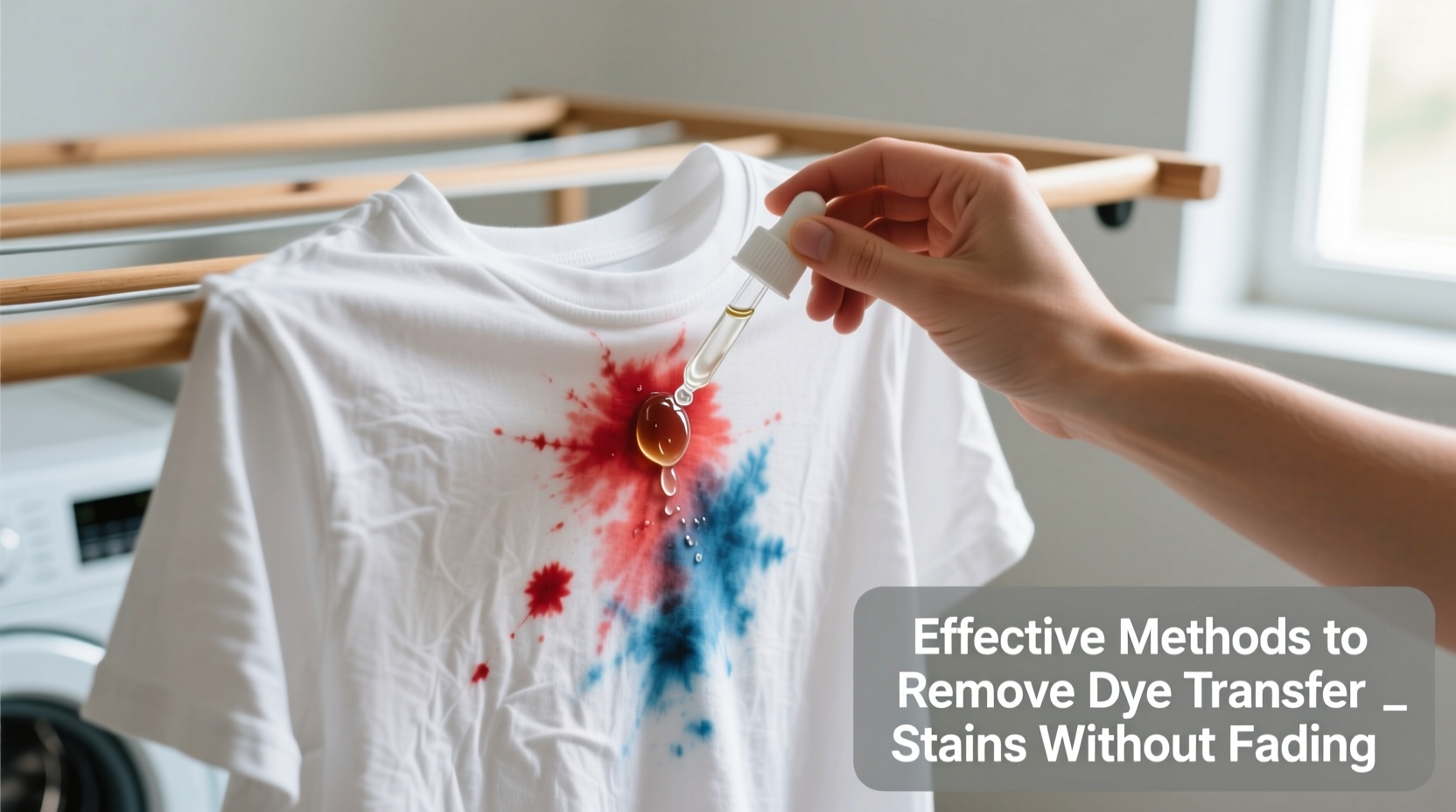
Dye transfer typically occurs due to inadequate dye fixation during manufacturing or excessive agitation and heat during laundering. Synthetic dyes used in cotton, polyester blends, and denim may not fully bond to fibers, making them prone to migration. Cold water helps prevent this, but sometimes accidents still happen—like a red sock ending up in a load of whites or pastel blouses touching wet navy jeans in the hamper.
The challenge with treating transferred dye isn’t just removal—it’s doing so without fading the base color. Harsh chemicals like chlorine bleach break down both foreign and original dyes, leading to patchy discoloration. Instead, successful treatment relies on solvents and agents that selectively target surface-level dye deposits without penetrating deeply into the fabric’s own pigmentation.
Step-by-Step Guide: Removing Dye Transfer Safely
Immediate action increases your chances of full recovery. Follow this timeline-based method for optimal results:
- Act quickly: Treat the stain within 24 hours for best outcomes. The longer the dye sets, the harder it becomes to lift.
- Check care labels: Confirm if the fabric can handle soaking or specific treatments (e.g., wool vs. cotton).
- Rinse under cold water: Flush the affected area from the back to push dye out, not deeper in.
- Pre-treat with a color-safe solution: Apply one of the recommended mixtures below and gently dab—never scrub aggressively.
- Soak for controlled duration: Limit soaking time based on fabric type; delicate materials should not exceed 30 minutes.
- Wash separately: Use a mild, color-protecting detergent in cold water after treatment.
- Inspect before drying: Heat sets stains permanently. Air-dry first and repeat treatment if needed.
Effective Home Remedies That Work Without Fading
Not all household ingredients are safe for colored fabrics. Below are three reliable formulas tested for efficacy and gentleness:
1. White Vinegar and Dish Soap Soak
Mix 1 cup white vinegar with 2 tablespoons of liquid dish soap (preferably clear, fragrance-free) in a basin of cold water. Submerge the garment for 30–60 minutes, agitating gently every 15 minutes. Vinegar helps loosen dye molecules, while dish soap emulsifies and lifts them away. Rinse thoroughly before washing.
2. Color-Safe Oxygen Bleach Bath
Oxygen-based bleaches (like sodium percarbonate) release hydrogen peroxide in water, which breaks down stains without attacking most fabric dyes. Dissolve ½ cup in 2 gallons of cold water and soak for up to 6 hours. Ideal for cotton, linen, and durable synthetics. Avoid use on silk or wool.
3. Rubbing Alcohol Spot Treatment
For localized transfers (e.g., a blue streak on a pink shirt), dampen a clean cloth with 70% isopropyl alcohol and blot the stain from the edge inward. Change cloths frequently to avoid re-depositing dye. Follow immediately with a cold water rinse to remove residue.
“Alcohol works well on certain synthetic dyes because it dissolves polar compounds without affecting cellulose-based fibers.” — Dr. Lena Torres, Textile Chemist at the Institute for Fabric Innovation
Do’s and Don’ts When Treating Dye Transfer
| Do’s | Don’ts |
|---|---|
| Use cold water for rinsing and soaking | Use hot water—it sets stains permanently |
| Test any solution on an inside seam first | Apply undiluted chemicals directly to fabric |
| Soak for limited durations (max 6 hours) | Leave clothes in solution overnight unattended |
| Wash treated items separately afterward | Tumble dry until you're sure the stain is gone |
| Repeat treatment if necessary | Scrub vigorously—this spreads the dye and damages fibers |
Real Example: Recovering a Silk Blouse After Accidental Denim Contact
Sarah, a graphic designer, accidentally left her white silk blouse draped over a pair of damp indigo jeans overnight. By morning, faint blue streaks ran down the sleeves. Knowing silk was delicate, she avoided bleach and instead prepared a vinegar-soap solution. She soaked the blouse for 20 minutes, gently pressing the solution through the fabric without wringing. After a cold-water rinse and hand wash with pH-neutral detergent, the transfer had faded significantly. A second 15-minute soak completed the job. The blouse retained its luster and required no professional cleaning.
This case highlights two critical points: early intervention and respecting fabric limitations. Had Sarah used oxygen bleach or machine-washed the item, she might have damaged the protein fibers or set the stain irreversibly.
Checklist: Quick Reference for Safe Stain Removal
- ☑ Separate stained garment immediately
- ☑ Check fabric care label for restrictions
- ☑ Perform a spot test on hidden area
- ☑ Choose appropriate method based on fiber type
- ☑ Soak in cold, treated water for recommended time
- ☑ Rinse thoroughly before laundering
- ☑ Air-dry and inspect—repeat if needed
- ☑ Store properly once clean to prevent future issues
Frequently Asked Questions
Can I use baking soda to remove dye transfer?
Baking soda alone won’t effectively remove transferred dye, though it can help deodorize and brighten. When combined with vinegar, it creates effervescence that may assist in lifting surface stains, but it's not a primary treatment. For better results, pair it with oxygen bleach rather than relying on it independently.
Is it safe to use these methods on dark-colored clothes?
Yes—especially the vinegar-soap and oxygen bleach methods—as long as you stick to cold water and avoid over-soaking. Dark fabrics often bleed more initially, so always test first. Never use chlorine bleach, even diluted, on dark or vibrant colors.
What if the dye transfer doesn’t come out after two treatments?
If the stain persists, consider professional textile cleaning. Some dyes, particularly reactive or pigment-based ones, bond strongly and require specialized solvents. Continuing aggressive home treatments may weaken the fabric without improving results.
Final Thoughts and Action Steps
Removing dye transfer from colored clothing doesn’t require extreme measures or costly products. With careful selection of cleaning agents and adherence to fabric-specific protocols, most stains can be resolved at home. Prevention remains the strongest strategy: sort laundry meticulously, use cold water cycles, and treat spills promptly. Investing a few extra minutes in proper sorting and pre-treatment saves hours of corrective effort later.




 浙公网安备
33010002000092号
浙公网安备
33010002000092号 浙B2-20120091-4
Comments
No comments yet. Why don't you start the discussion?