
Fly stains on clothing are more than just an eyesore—they can be stubborn, unsanitary, and difficult to remove if not addressed promptly. Flies often carry bacteria and regurgitate digestive fluids when feeding, which leads to small, dark, sometimes oily spots that set into fabric fibers quickly. Whether the stain comes from a housefly, fruit fly, or another common insect, the key to successful removal lies in immediate action, proper technique, and understanding your fabric type. This guide provides tested, practical solutions for eliminating fly stains while preserving garment quality.
Understanding Fly Stains and Their Impact on Fabric
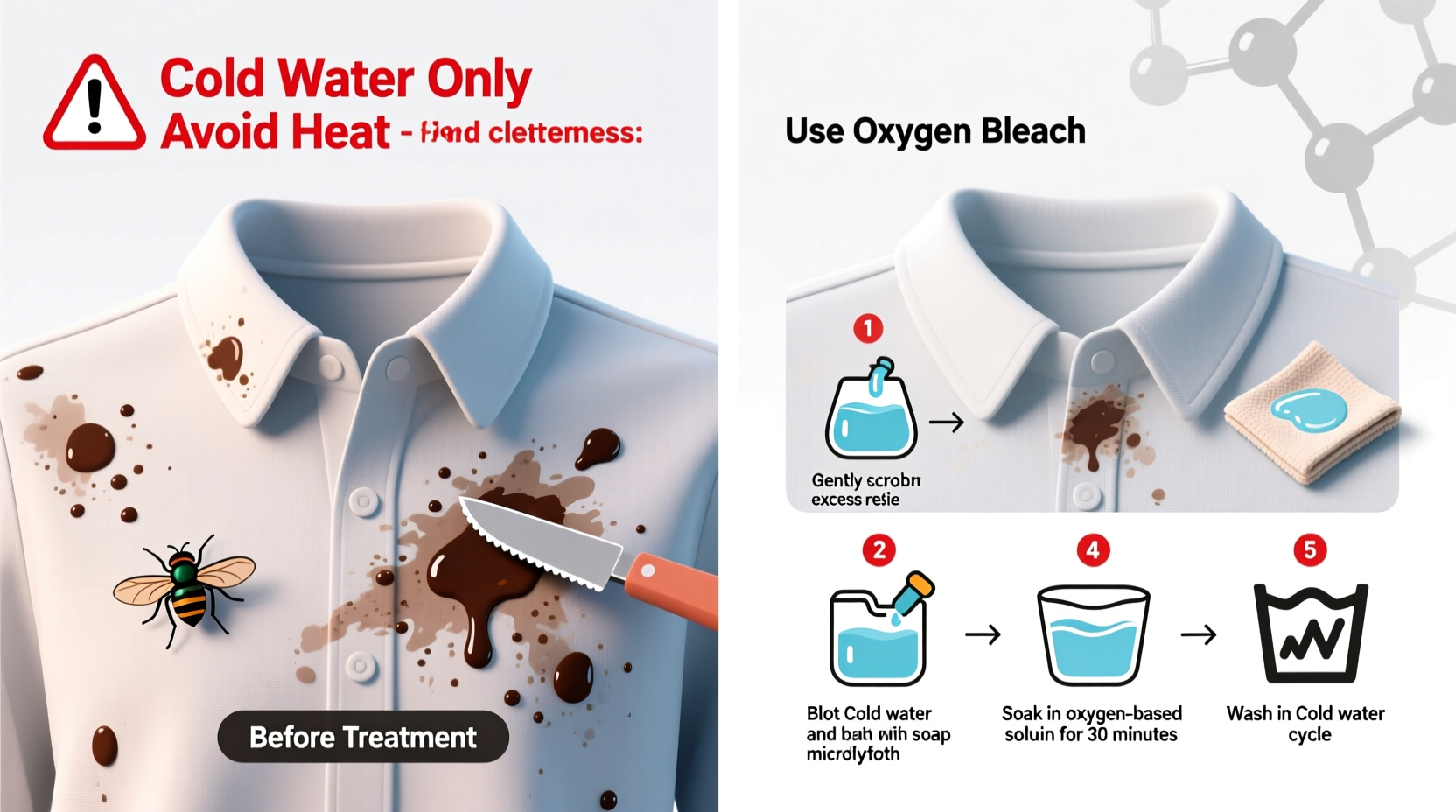
Fly stains typically consist of a combination of digestive enzymes, partially digested food particles, and bodily secretions. These substances are acidic and can degrade natural fibers like cotton and silk over time. On synthetic fabrics such as polyester, they may leave behind greasy residues that attract additional dirt. The longer a stain sits, the more likely it is to oxidize and become permanent, especially under heat exposure from dryers or sunlight.
It’s important to note that flies often land on decaying matter before transferring contaminants to clothing. As such, treating these stains promptly isn’t only about appearance—it's also a hygiene concern. Removing them quickly reduces the risk of bacterial transfer and helps maintain the integrity of the fabric.
“Fly stains contain organic compounds that break down fabric proteins over time. Immediate treatment significantly increases the chance of full restoration.” — Dr. Lena Patel, Textile Scientist at the Institute for Fabric Care Research
Step-by-Step Guide to Removing Fly Stains
The success of stain removal depends largely on timing and method. Follow this detailed process to maximize results across different fabric types:
- Act Immediately: As soon as you notice a fly stain, blot it gently with a clean, dry cloth. Do not rub, as this spreads the stain further into the fibers.
- Rinse Under Cold Water: Hold the stained area under cold running water from the reverse side to push the stain out rather than deeper in.
- Pre-Treat the Stain: Apply a suitable pre-treatment solution based on fabric type (see table below).
- Wash Appropriately: Launder the garment according to its care label, using the warmest water safe for the fabric.
- Air Dry and Inspect: Avoid machine drying until the stain is completely gone, as heat sets remaining residue. If the stain persists, repeat the process before drying.
Effective Cleaning Solutions by Fabric Type
Different fabrics respond differently to cleaning agents. Using the wrong product can weaken fibers or cause color fading. Below is a comparison of recommended treatments based on common fabric categories:
| Fabric Type | Suitable Treatment | Avoid |
|---|---|---|
| Cotton | Hydrogen peroxide (3%) + dish soap mix; oxygen-based bleach | Chlorine bleach on colored fabrics |
| Polyester & Blends | Dish soap + warm water; enzyme-based stain remover | High heat during washing/drying |
| Silk | Diluted white vinegar (1:3 with water); professional dry cleaning | Baking soda, hydrogen peroxide, abrasive scrubbing |
| Wool | Cold water + mild wool detergent; enzymatic cleaner | Hot water, wringing, machine agitation |
| Delicates & Embellished Fabrics | Spot clean with lint-free cloth and gentle detergent | Soaking, vigorous rubbing, spin cycles |
DIY Remedies That Work
Many household items double as effective stain fighters. These remedies are cost-effective and environmentally friendly when used correctly:
- Vinegar and Baking Soda Paste: Mix equal parts white vinegar and baking soda to form a paste. Apply to the stain, let sit for 15 minutes, then rinse. Ideal for cotton and durable synthetics.
- Lemon Juice and Sunlight: For white cotton garments, apply fresh lemon juice and place in direct sunlight. UV rays activate the citric acid to lift stains naturally. Rinse thoroughly afterward.
- Enzyme Cleaners: Products containing protease or amylase enzymes target organic matter effectively. Spray directly on the stain and wait 30 minutes before washing.
- Dish Soap Method: A few drops of liquid dish soap (like Dawn) work well on oily components of fly stains. Gently massage into the spot and rinse after 10–15 minutes.
Mini Case Study: Recovering a Summer Linen Shirt
Mark, a landscape photographer, returned from a weekend shoot with multiple fly stains on his favorite light beige linen shirt. He initially ignored them, assuming they’d wash out. After two weeks, he noticed yellowish rings where the stains had oxidized.
He followed a targeted approach: rinsed the areas under cold water, applied a mixture of hydrogen peroxide and dish soap, and soaked the shirt in cold OxiClean solution for eight hours. After a gentle machine wash on delicate cycle, all stains were gone. By air-drying away from direct sun, he preserved the fabric’s texture and color.
This case highlights the importance of persistence and avoiding premature heat exposure—even neglected stains can be reversed with patience and correct methods.
Common Mistakes to Avoid
Even with good intentions, improper techniques can worsen the situation. Here are frequent errors and how to prevent them:
- Using Hot Water Too Soon: Heat causes proteins in the stain to bind tightly to fibers. Always start with cold water.
- Delaying Treatment: The longer the stain remains, the higher the chance of permanent setting.
- Overlooking Fabric Labels: Ignoring care instructions can lead to shrinkage, fading, or fiber damage.
- Applying Undiluted Chemicals: Full-strength vinegar, bleach, or ammonia can corrode fabric. Always dilute and patch-test.
Checklist: How to Remove Fly Stains Effectively
Use this quick-reference checklist the next time you encounter a fly stain:
- ☑ Blot the stain immediately—don’t rub
- ☑ Rinse from the backside with cold water
- ☑ Identify fabric type and check care label
- ☑ Pre-treat with appropriate solution (dish soap, vinegar, enzyme cleaner)
- ☑ Wash in the correct temperature setting
- ☑ Air dry and inspect before re-washing or storing
- ☑ Repeat treatment if necessary—never use heat until the stain is fully removed
FAQ
Can fly stains cause permanent damage to clothes?
Yes, if left untreated for extended periods, the acidic and enzymatic content in fly excretions can weaken natural fibers like cotton and silk, leading to thinning or holes over time. Prompt cleaning prevents long-term degradation.
Is it safe to use hydrogen peroxide on colored clothes?
Only if the fabric is colorfast. Test a small hidden area first. Hydrogen peroxide can lighten some dyes, so it’s best reserved for whites or very light colors unless verified safe.
What should I do if the stain remains after washing?
Do not dry the garment. Reapply a stain treatment and consider soaking in an oxygen-based solution overnight. Some persistent stains require multiple treatments.
Conclusion
Removing fly stains doesn’t require expensive products or professional help in most cases. With timely intervention, the right cleaning method, and attention to fabric care, you can restore your garments to their original condition. Understanding what causes these stains and how they interact with textiles empowers you to act confidently and effectively. Consistent habits—like checking clothes after outdoor wear and addressing spots early—can save your favorite pieces from unnecessary wear or disposal.




 浙公网安备
33010002000092号
浙公网安备
33010002000092号 浙B2-20120091-4
Comments
No comments yet. Why don't you start the discussion?