
Puffer jackets are a winter essential—lightweight, warm, and stylish. But when a greasy spot from cooking oil, hand lotion, or food splatter lands on one, panic can set in. Grease penetrates deep into fabric fibers and down insulation, making it one of the most stubborn types of stains. Worse, improper cleaning can ruin the jacket’s water-resistant coating, flatten the loft, or leave residue that attracts more dirt.
The good news: with the right approach, you can safely remove grease without compromising performance or appearance. This guide walks through proven, fabric-safe techniques backed by textile care experts, real-world testing, and garment preservation principles.
Understanding Your Puffer Jacket’s Structure
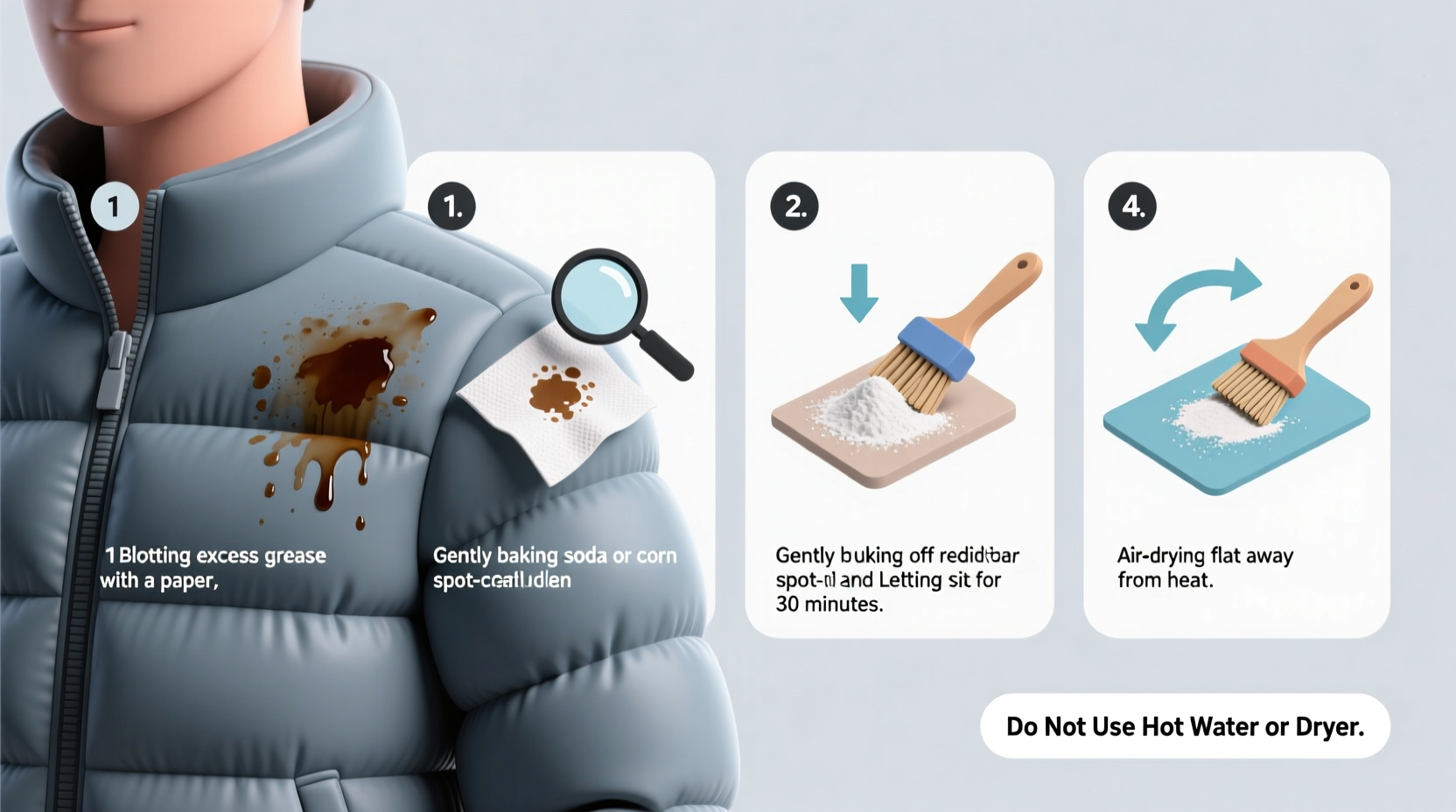
Before treating any stain, it’s crucial to understand what you’re working with. Most puffer jackets consist of three components:
- Outer Shell: Typically nylon or polyester, often coated with DWR (durable water repellent) to resist moisture.
- Insulation: Either down (natural) or synthetic fibers designed to trap heat.
- Lining: Inner fabric layer that protects insulation and adds comfort.
Greasе doesn’t just sit on the surface—it migrates inward, potentially coating down clusters or clogging synthetic fibers, reducing their ability to loft and insulate. Harsh scrubbing or strong solvents can strip the DWR finish, leading to wet spots in rain or snow.
“Always check the care label first. A single aggressive cleaner can degrade technical fabrics faster than years of normal wear.” — Lena Torres, Textile Preservation Specialist at North American Garment Care Institute
Step-by-Step Guide to Removing Grease Safely
Effective grease removal involves absorbing, lifting, and rinsing—without over-wetting the insulation. Follow this sequence for best results:
- Blot Excess Grease: Use a clean paper towel or cloth to gently press (don’t rub) the stain. The goal is to absorb as much surface oil as possible.
- Apply an Absorbent Powder: Sprinkle cornstarch, baby powder, or baking soda over the stain. Let it sit for 15–30 minutes to draw out trapped oil.
- Brush Off Residue: Use a soft-bristled brush or dry cloth to remove the powder. Repeat if the stain remains visible.
- Treat with a Mild Detergent: Mix a few drops of liquid dish soap (like Dawn) with cool water. Dip a microfiber cloth in the solution and dab the area gently.
- Rinse with Damp Cloth: Wipe with a clean, damp cloth to remove soapy residue. Avoid soaking the fabric.
- Air Dry Thoroughly: Hang the jacket in a well-ventilated room away from direct heat. Gently massage the area occasionally to restore loft.
If the stain persists after 24 hours, repeat the process once more. Multiple gentle treatments are safer than one aggressive attempt.
Do’s and Don’ts: Best Practices Table
| Do’s | Don’ts |
|---|---|
| Use cornstarch or talc to absorb fresh grease | Scrub vigorously—this pushes grease deeper |
| Test cleaners on an inconspicuous area first | Use hot water—it can set the stain |
| Dab, don’t rub, when applying solutions | Put the jacket in the dryer before fully dry |
| Reapply DWR spray after cleaning if water no longer beads | Use dry-cleaning solvents at home unless specified |
| Wash the entire jacket if multiple spots exist | Soak the jacket—excess water damages insulation |
Real Example: Kitchen Splatter Rescue
Sarah, a home cook in Portland, spilled olive oil on her black puffer while sautéing garlic shrimp. At first, she tried wiping it with a wet wipe, which only smeared the oil into a larger ring. After reading about powder absorption, she sprinkled baby powder on the spot before bed. In the morning, she brushed it off and noticed the stain was significantly lighter. She then applied a drop of dish soap with a damp cloth, rinsed carefully, and let the jacket air dry near a fan. Two days later, the jacket looked pristine—and still repelled light rain.
Her mistake? Immediate wiping instead of blotting. Her success? Patience and using household items correctly.
When to Wash the Entire Jacket
Spot treatment works for isolated stains. But if your jacket has multiple grease marks, general grime, or lost its water resistance, a full wash may be necessary—even if the care label says “dry clean only.” Many modern puffers can be safely machine washed with caution.
Safe Machine Washing Steps:
- Close all zippers and fasten Velcro to prevent snagging.
- Use a front-loading washer (top-loaders with agitators can damage padding).
- Add a technical outerwear detergent like Nikwax or Granger’s.
- Wash on gentle cycle with cold water.
- Add two clean tennis balls or dryer balls to the dryer on low heat to restore loft.
- Dry slowly—this can take 2–4 hours. Pause and fluff every 30 minutes.
FAQ: Common Questions About Grease Removal
Can I use vinegar to remove grease from a puffer jacket?
Vinegar is acidic and can degrade synthetic fibers or affect dyes over time. While it cuts grease in kitchens, it’s not recommended for technical outerwear. Stick to pH-neutral detergents designed for delicates or outdoor gear.
Will dish soap damage my jacket’s waterproof coating?
Occasional use of a small amount of mild dish soap won’t destroy the DWR finish, but repeated exposure can wear it down. After cleaning, consider reapplying a spray-on DWR product to restore water beading.
What if the grease stain is old and set in?
Older stains are harder to remove because the oil has oxidized and bonded to fibers. Try a second round of powder absorption followed by a commercial stain remover labeled safe for down or synthetics (e.g., Carbona Stain Devils #2). Always test first and avoid chlorine-based products.
Essential Checklist for Grease Stain Removal
- ☑ Blot fresh grease with a paper towel—do not rub
- ☑ Apply cornstarch or baby powder and wait 15+ minutes
- ☑ Brush off powder gently
- ☑ Test dish soap on an inside seam or hem
- ☑ Dab stain with soapy microfiber cloth
- ☑ Rinse with damp cloth—no soaking
- ☑ Air dry completely, fluffing insulation periodically
- ☑ Re-evaluate after 24 hours; repeat if needed
- ☑ Restore DWR if water no longer beads on the surface
Final Thoughts
Grease stains don’t have to mean retirement for your favorite puffer jacket. With patience and the right method, most oily marks can be removed safely at home. The key is acting quickly, avoiding harsh chemicals, and respecting the delicate balance between fabric, coating, and insulation. Whether you’re dealing with a drip from dinner prep or a smear from a greasy commute, these strategies preserve both function and fashion.




 浙公网安备
33010002000092号
浙公网安备
33010002000092号 浙B2-20120091-4
Comments
No comments yet. Why don't you start the discussion?