
Hard water stains on car windows are more than just an eyesore—they can impair visibility, reduce the aesthetic appeal of your vehicle, and, if left untreated, lead to permanent etching on glass surfaces. These stains form when water containing high levels of calcium, magnesium, and other minerals evaporates, leaving behind chalky white deposits. While common in areas with mineral-rich water or frequent automatic car washes, they can be safely removed with the right approach. The key is using gentle yet effective methods that clean thoroughly without scratching or damaging the glass.
Understanding Hard Water Stains on Automotive Glass
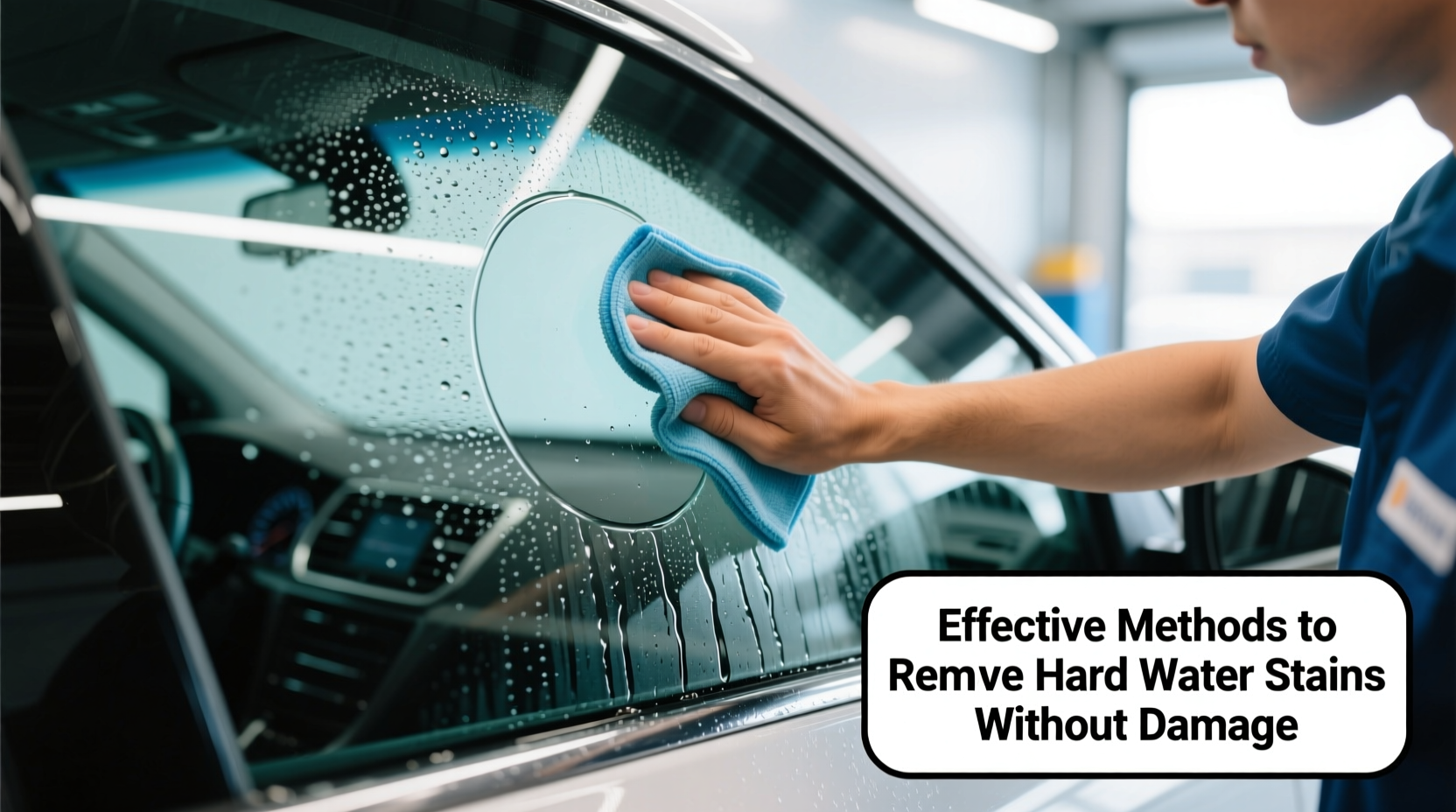
Hard water stains occur when droplets dry on glass, depositing dissolved minerals like calcium carbonate and magnesium sulfate. Over time, repeated exposure—especially under direct sunlight—can cause these deposits to bond tightly with the glass surface. Unlike surface grime, which wipes away easily, mineral deposits require targeted treatment.
Car windows are particularly vulnerable due to their constant exposure to rain, sprinklers, and tap water during washing. Tinted or coated windows add another layer of complexity: aggressive cleaning agents or abrasive tools can degrade protective layers or window tints, leading to costly repairs.
“Many drivers mistake mineral buildup for dirt and over-scrub, worsening the problem. The best results come from patience and chemistry, not force.” — Daniel Ruiz, Auto Detailing Specialist with 15+ years of experience
Safe and Effective Removal Methods
Removing hard water stains doesn’t require industrial chemicals or power tools. With household items or affordable specialty products, you can restore clarity safely. Below are five proven methods, ranked by effectiveness and safety.
1. White Vinegar and Baking Soda Paste
Vinegar’s acetic acid dissolves alkaline mineral deposits, while baking soda adds mild abrasion without scratching. This combination works well for light to moderate stains.
- Mix two tablespoons of baking soda with enough white vinegar to form a thick paste.
- Apply the paste directly to the stained area using a microfiber cloth.
- Gently rub in circular motions for 30–60 seconds.
- Rinse thoroughly with distilled water.
- Dry with a lint-free towel.
2. Citric Acid Solution
Citric acid, found in lemon juice or powdered form, is highly effective at breaking down calcium deposits. It's less corrosive than vinegar and leaves a streak-free finish.
- Dissolve one tablespoon of citric acid powder in 1 cup of warm water.
- Soak a clean cloth in the solution and press it onto the stain for 2–3 minutes.
- Wipe gently, reapplying as needed.
- Rinse and dry completely.
Lemon juice can be used in a pinch, but its natural oils may leave residue. For best results, opt for food-grade citric acid powder.
3. Isopropyl Alcohol and Vinegar Mix
A blend of equal parts isopropyl alcohol (70%) and white vinegar cuts through mineral buildup while evaporating quickly, reducing water spotting risk.
| Ingredient | Role | Ratio |
|---|---|---|
| White Vinegar | Dissolves mineral deposits | 50% |
| Isopropyl Alcohol | Breaks down film, speeds drying | 50% |
| Distilled Water (optional) | Dilutes for sensitive areas | Up to 25% |
Spray the solution onto the glass, let sit for 1–2 minutes, then wipe with a microfiber cloth. Follow with a clean, dry cloth to avoid streaks.
4. Clay Bar Treatment
Detailing clay bars are designed to lift bonded contaminants from smooth surfaces. They’re ideal for stubborn stains that resist liquid treatments.
- Spray the window generously with a clay lubricant or soapy water.
- Knead the clay bar into a flat pancake shape.
- Gliding it across the glass with light pressure, work in small sections.
- Wipe residue with a microfiber towel.
- Finish with glass cleaner for shine.
This method physically removes deposits without abrasion, making it safe for tinted windows when used correctly.
5. Commercial Glass Restorers
Products like Invisible Glass Heavy Duty Decontaminant or Meguiar’s Mineral Deposit Remover are formulated specifically for automotive glass. They often contain chelating agents that bind to metal ions in hard water, lifting them safely.
Follow product instructions carefully. Most require spraying, dwell time, and buffing. Avoid overspray on rubber seals or paint.
Do’s and Don’ts When Treating Car Window Stains
| Do’s | Don’ts |
|---|---|
| Use distilled water for final rinsing | Use steel wool or abrasive pads |
| Test any solution on a small, hidden area first | Apply undiluted vinegar or acid for prolonged periods |
| Work in shaded conditions to prevent rapid drying | Ignore manufacturer guidelines for tinted windows |
| Wear gloves when handling acidic solutions | Use household cleaners with ammonia on tinted glass |
| Reapply treatments gradually instead of scrubbing harder | Leave acidic solutions sitting overnight |
Real-World Example: Reviving a Fleet Vehicle’s Visibility
A regional delivery company noticed declining driver satisfaction due to poor visibility in rear windows. Vehicles parked outdoors were exposed daily to sprinkler runoff and evening dew. Inspections revealed heavy mineral buildup, especially along bottom edges where water pooled.
The maintenance team tested several methods. Initial attempts with all-purpose cleaners failed. Switching to a citric acid solution applied with spray-and-wipe technique reduced stains by 60%. A second pass with a clay bar eliminated remaining haze. After treatment, drivers reported significantly improved rear visibility, especially at dawn and dusk. The company now includes bi-monthly glass decontamination in its fleet care routine, preventing recurrence.
Step-by-Step Guide to Complete Stain Removal
- Park in the shade – Direct sun causes premature drying and uneven application.
- Wash the window – Use car shampoo and water to remove surface dirt.
- Select your method – Start with the mildest option (vinegar paste) for light stains.
- Apply treatment – Cover stained areas thoroughly; allow dwell time as needed.
- Wipe gently – Use a folded microfiber cloth with minimal pressure.
- Rinse with distilled water – Prevents new mineral deposits.
- Dry and inspect – Check under different lighting angles for residual haze.
- Repeat if necessary – Stubborn stains may require multiple sessions.
- Apply a glass sealant – Optional step to repel future water spots.
Prevention Checklist
- ✅ Dry windows immediately after washing or rain exposure
- ✅ Use distilled or deionized water for final rinses
- ✅ Apply hydrophobic glass coating every 6 months
- ✅ Avoid parking under sprinklers or near irrigation systems
- ✅ Wash car regularly to prevent buildup accumulation
- ✅ Inspect windows monthly for early signs of staining
Frequently Asked Questions
Can hard water stains permanently damage car windows?
If left untreated for extended periods, especially in sunny climates, mineral deposits can etch into the glass surface, causing irreversible cloudiness. Early intervention prevents this.
Is it safe to use vinegar on tinted windows?
Yes, diluted vinegar is generally safe for most aftermarket tints. However, avoid prolonged contact and always rinse thoroughly. Test in an inconspicuous corner first.
How often should I treat my car windows for mineral buildup?
In high-mineral water areas, inspect every 4–6 weeks. Treat only when visible stains appear. Routine drying and preventive coatings reduce the need for deep cleaning.
Take Action Today for Clearer, Safer Driving
Hard water stains don’t have to be a permanent fixture on your car. With the right knowledge and tools, you can restore crystal-clear visibility safely and affordably. Whether you choose a DIY vinegar mix or invest in professional-grade products, consistency and caution are your best allies. By integrating simple prevention habits and addressing stains early, you protect both your vehicle’s appearance and your safety on the road.




 浙公网安备
33010002000092号
浙公网安备
33010002000092号 浙B2-20120091-4
Comments
No comments yet. Why don't you start the discussion?