
Nail polish is a staple in many beauty routines, but accidents happen. Whether it’s a splash from the brush or an overturned bottle, getting nail polish on clothing can feel like a disaster. The good news: with prompt action and the right techniques, you can often remove nail polish without harming the fabric. The key lies in choosing the correct method based on the type of fabric, the age of the stain, and the ingredients available at home. This guide provides reliable, tested strategies to restore your garments—without shrinking, discoloring, or weakening the material.
Understanding Nail Polish Stains
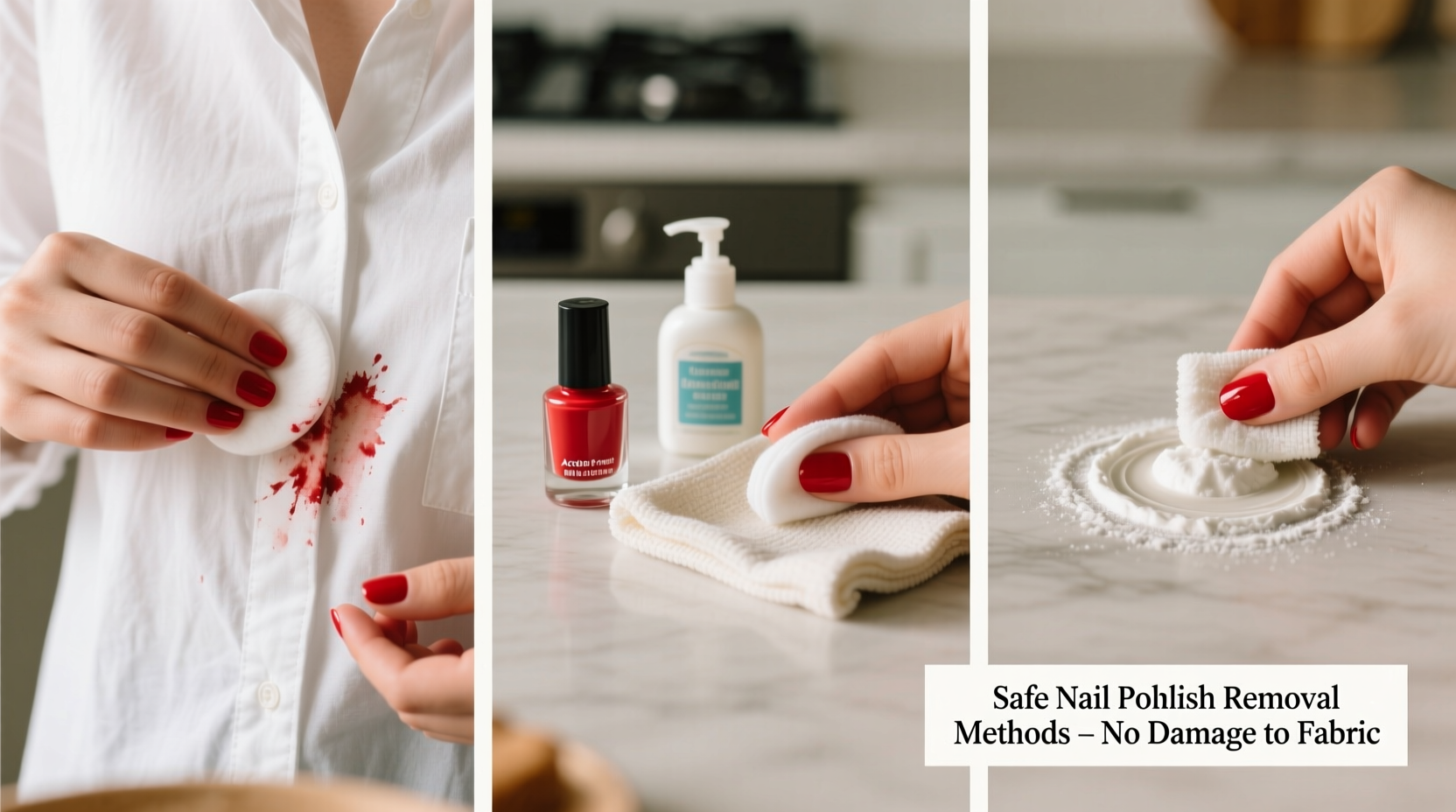
Nail polish is primarily composed of solvents, resins, and pigments. When spilled on fabric, the solvents begin to evaporate, leaving behind a sticky, colored residue that bonds tightly to fibers. Acetone-based polishes are particularly challenging because they can degrade certain synthetic materials if used improperly during removal. Water-based or non-acetone polishes are generally easier to manage but still require careful treatment.
The longer a stain sits, the more difficult it becomes to remove. Fresh stains respond best to immediate intervention. Older, dried stains may require multiple treatments and patience. Always identify the fabric type before proceeding—delicate materials like silk or wool demand gentler approaches than cotton or polyester.
Step-by-Step Guide to Removing Fresh Nail Polish Stains
- Act quickly. As soon as the spill occurs, lay the garment flat on a clean surface with the stain facing up.
- Blot excess polish. Use a paper towel or cotton ball to absorb any wet polish. Do not wipe.
- Place a clean cloth under the stain. This prevents the polish from spreading to other layers of fabric.
- Apply a small amount of non-acetone nail polish remover. Dab it gently onto the stain using a cotton ball. Non-acetone removers are safer for most fabrics.
- Blot from the outside inward. This helps contain the stain and lift the polish gradually.
- Rinse with cold water. After the polish lifts, rinse the area thoroughly to remove any chemical residue.
- Wash as usual. Launder the garment according to the care label, using the warmest water safe for the fabric.
- Inspect before drying. Heat can set any remaining stain. If traces remain, repeat the process before placing in the dryer.
Fabric-Specific Removal Techniques
Different fabrics react differently to solvents. Using the wrong method can cause irreversible damage. Here's how to approach common materials:
| Fabric Type | Safe Method | Avoid |
|---|---|---|
| Cotton | Non-acetone remover, followed by washing | Excessive rubbing or hot water pre-treatment |
| Polyester | Dabbing with rubbing alcohol or non-acetone remover | Acetone (can dissolve fibers) |
| Silk | Blot with white vinegar or mild dish soap solution | Any solvent-based removers unless spot-tested |
| Wool | Cold water flush and gentle detergent | Heat, acetone, or vigorous scrubbing |
| Denim | Non-acetone remover, then wash in cold water | Over-saturating, which may cause fading |
“Always test any cleaning agent on an inconspicuous area first—like an inside seam. Some fabrics may bleach or weaken even with ‘safe’ products.” — Dr. Lena Patel, Textile Chemist & Home Care Consultant
Alternative Household Solutions
If commercial nail polish removers aren’t available, several household items can help lift the stain safely:
- White vinegar: Mix equal parts vinegar and water. Dab onto the stain and blot. Effective for light stains on colorfast fabrics.
- Dish soap: A drop of mild liquid dish soap mixed with water can break down polish oils. Apply, wait 5 minutes, then rinse.
- Hairspray (older formulas): Some aerosol hairsprays contain alcohol that dissolves polish. Spray lightly, wait 30 seconds, then blot. Avoid on delicate fabrics.
- Hydrogen peroxide (3%): Can work on white or bleachable fabrics. Combine with a drop of dish soap and apply cautiously.
Real Example: Removing a Spill from a White Cotton Blouse
Sarah was applying deep red nail polish when a drop landed on her favorite white cotton blouse. She immediately laid the shirt on the kitchen counter, placed a folded towel beneath the stain, and used a cotton pad soaked in non-acetone remover to dab the area. After five minutes of gentle blotting, the polish lifted significantly. She rinsed the spot under cold running water, applied a small amount of liquid laundry detergent, and washed the blouse in warm water. After air-drying, the stain was completely gone. Her quick response and use of a fabric-safe solvent saved a $70 garment.
When to Use Acetone (and When Not To)
Acetone is powerful and effective on tough, dried nail polish stains—but it’s also risky. It can melt synthetic fibers like acetate, triacetate, and some polyesters. Natural fibers like cotton tolerate it better, but repeated exposure weakens threads over time.
Use acetone only when:
- The fabric is 100% cotton or linen.
- The stain is old and hasn’t responded to milder methods.
- You’ve conducted a spot test and confirmed no damage or discoloration.
To apply: Dampen a cotton swab with pure acetone, touch it lightly to the stain, and blot immediately with a clean cloth. Repeat sparingly. Rinse thoroughly afterward and launder promptly.
Checklist: Nail Polish Stain Removal Protocol
- ✅ Identify the fabric type using the care label.
- ✅ Act within minutes of the spill for best results.
- ✅ Blot—don’t rub—the excess polish.
- ✅ Place absorbent material under the stain.
- ✅ Test any solvent on a hidden area first.
- ✅ Start with the mildest method (non-acetone remover, vinegar).
- ✅ Rinse thoroughly after treatment.
- ✅ Wash according to care instructions.
- ✅ Check the stain before drying—repeat if necessary.
Frequently Asked Questions
Can I use hand sanitizer to remove nail polish from clothes?
Yes, in a pinch. Most hand sanitizers contain alcohol, which can break down nail polish. Apply a small amount, let it sit for 30 seconds, then blot and rinse. Best for cotton or durable synthetics. Avoid on delicates.
What if the stain has already dried?
Dried stains are harder but not hopeless. Soak the area in cold water for 15 minutes to loosen fibers, then apply non-acetone remover or vinegar solution. You may need to repeat the process two or three times. Patience is key.
Will these methods work on colored fabrics?
Most will, but always perform a spot test first. Some solvents, especially acetone, can cause fading or bleaching. Vinegar and dish soap are generally safer for preserving color integrity.
Final Thoughts and Prevention Tips
Removing nail polish from clothing doesn’t have to mean sacrificing the garment. With swift action, the right tools, and respect for fabric limitations, most stains can be resolved effectively. Prevention is equally important: apply polish over a trash can lined with newspaper, wear an old shirt or apron, and keep a stain-removal kit handy in your bathroom.




 浙公网安备
33010002000092号
浙公网安备
33010002000092号 浙B2-20120091-4
Comments
No comments yet. Why don't you start the discussion?