
Perfume stains on clothing are more common than many realize. A quick spritz can leave behind oily residue, alcohol marks, or even discoloration—especially on delicate or dark-colored fabrics. While removing these stains might seem straightforward, the wrong approach can cause colors to bleed, fade, or become permanently damaged. The challenge lies in eliminating the stain while preserving the garment’s original vibrancy. This guide outlines scientifically sound, fabric-safe methods to effectively treat perfume stains on colored clothing without compromising dye integrity.
Understanding Perfume Stains and Fabric Reactions
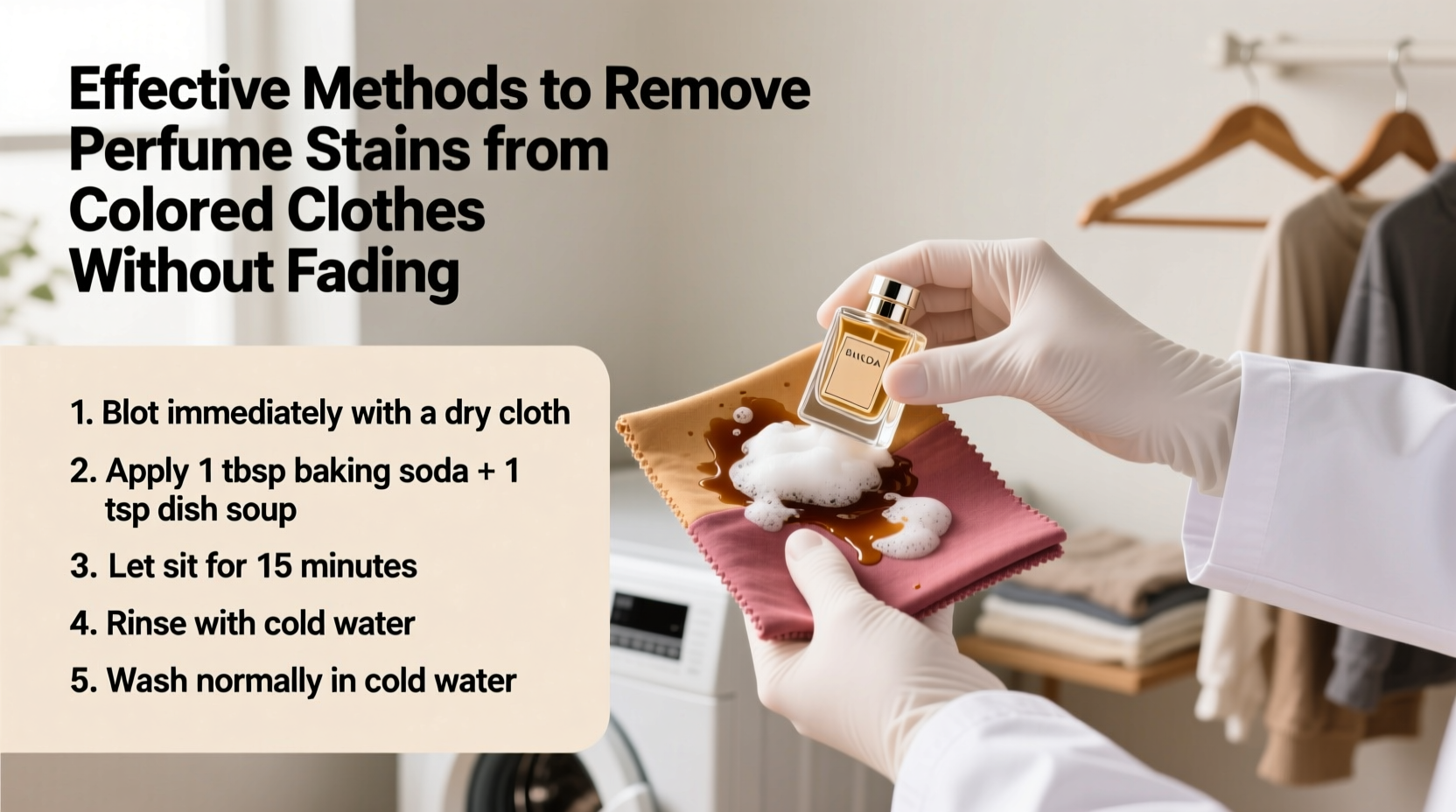
Perfumes are complex blends of essential oils, alcohol, water, and synthetic fragrances. When sprayed too close to fabric, the high alcohol content can act as a solvent, breaking down dyes and weakening fibers. Oily components may leave greasy spots that attract dirt over time. These stains often appear as dull rings or discolored patches, particularly noticeable on silk, cotton, and rayon.
The risk of fading increases when aggressive cleaning agents like bleach or undiluted solvents are used. Heat exposure during washing or drying can further set the stain and accelerate color loss. Understanding the composition of both the perfume and the fabric is key to selecting a safe and effective removal method.
“Alcohol-based products like perfumes can strip natural and synthetic dyes alike. Immediate, gentle treatment is critical for preserving color.” — Dr. Lena Torres, Textile Chemist, Institute of Fabric Care
Step-by-Step Guide to Removing Perfume Stains Safely
Acting quickly improves the chances of complete stain removal. Follow this timeline-based method to address fresh or set-in perfume stains on colored garments:
- Blot Immediately (0–5 minutes after staining): Use a clean, dry microfiber cloth or paper towel to gently absorb excess liquid. Do not rub, as this spreads the stain and damages fibers.
- Test for Colorfastness (Before Any Treatment): Dampen a hidden area (like an inside seam) with your chosen cleaning solution. Wait 5 minutes, then blot. If color transfers, avoid that solution.
- Apply a Mild Detergent Solution (Within 30 Minutes): Mix one teaspoon of mild liquid detergent (preferably fragrance-free) with one cup of lukewarm water. Dip a clean cloth into the solution and dab it onto the stain using light pressure.
- Rinse with Cold Water: Hold the stained area under cold running water from the reverse side to push the residue out. Continue for 1–2 minutes.
- Air Dry and Assess: Lay the garment flat or hang it to dry away from direct sunlight. Check if the stain remains. If so, proceed to deeper treatment.
Effective Home Remedies That Won’t Fade Colors
Not all home solutions are safe for colored fabrics. Vinegar and baking soda, while popular, can alter pH levels and lead to dye degradation. Instead, use these tested, color-safe alternatives:
- Dish Soap and Hydrogen Peroxide (for whites and brights only): Combine one part 3% hydrogen peroxide with two parts dish soap. Apply sparingly, wait 10 minutes, then rinse. Not recommended for dark or red fabrics.
- Milk Soak (for protein-based stains or oily residues): Submerge the stained area in whole milk for 30 minutes. Milk proteins bind with oils, helping lift them from fibers. Rinse thoroughly afterward.
- Cornstarch Absorption (for oily stains): Sprinkle cornstarch over the stain and let sit for 15–20 minutes. Gently brush off. Repeat if necessary. Ideal for silk or wool blends.
For delicate materials like silk or acetate, consider using a specialized enzyme-based stain remover labeled “safe for colors” and always follow care tag instructions.
Do’s and Don’ts: Table of Best Practices
| Do’s | Don’ts |
|---|---|
| Blot stains immediately with a clean cloth | Do not rub or scrub aggressively |
| Use cold water for rinsing | Never use hot water—it sets stains |
| Test cleaning solutions on a hidden area | Avoid chlorine bleach on any colored fabric |
| Wash treated garments separately at first | Don’t put stained clothes in the dryer until the stain is gone |
| Store perfumes upright and away from fabrics | Don’t spray perfume directly onto clothing |
Real Example: Rescuing a Silk Blouse After a Perfume Mishap
Sophia, a marketing executive, accidentally sprayed her favorite emerald-green silk blouse while getting ready for a client meeting. Within minutes, she noticed a faint white ring forming near the collar. Instead of panicking, she followed protocol: she blotted the area with a tissue, mixed a drop of gentle baby shampoo with water, and dabbed it lightly on the stain. After 10 minutes, she rinsed under cold water and laid the blouse flat to dry. By evening, the stain had vanished, and the color remained vibrant. She now keeps a travel-sized stain pen in her work bag for emergencies.
Checklist: How to Remove Perfume Stains Without Fading Colors
Keep this checklist handy for quick reference when treating stained garments:
- ✅ Act within the first hour of staining
- ✅ Identify fabric type and check care label
- ✅ Test any solution on an inconspicuous area
- ✅ Blot, don’t rub
- ✅ Use cold water only
- ✅ Avoid heat until the stain is fully removed
- ✅ Wash separately in a mesh laundry bag if needed
- ✅ Air dry and inspect before rewashing
Frequently Asked Questions
Can I use vinegar to remove a perfume stain from colored clothes?
Vinegar is acidic and may weaken certain dyes, especially on dark or red fabrics. While diluted white vinegar can help with some stains, it risks altering color tone. It’s safer to use a mild detergent or enzyme cleaner instead.
Why does perfume leave a white mark on my shirt?
The white residue is typically caused by alcohol evaporating and leaving behind solubilized oils, waxes, or fragrance compounds. On dark fabrics, this appears as a bleached or faded spot, but it’s usually a surface deposit rather than permanent dye loss.
Is it safe to use rubbing alcohol on a perfume stain?
No. Rubbing alcohol can worsen the problem by dissolving dyes and spreading the stain. Since most perfumes already contain alcohol, adding more increases the risk of fading and fiber damage.
Conclusion: Preserve Your Clothes with Smart, Gentle Care
Removing perfume stains from colored clothing doesn’t require harsh chemicals or risky methods. With prompt action, the right techniques, and respect for fabric integrity, you can eliminate stains while keeping colors vivid and lasting. The key is gentleness—avoid heat, abrasion, and strong solvents. Treat your garments as investments in your wardrobe, and they’ll reward you with longevity and appearance.




 浙公网安备
33010002000092号
浙公网安备
33010002000092号 浙B2-20120091-4
Comments
No comments yet. Why don't you start the discussion?