
A leather iPhone case is more than just protection—it’s a statement of style and durability. Over time, even the highest-quality leather can develop fine scratches from daily use, keys in pockets, or accidental drops. While minor scuffs are normal and often add character, deeper or unsightly marks can detract from the elegance of your device. The good news: most surface-level scratches can be safely minimized or removed at home using gentle, non-abrasive techniques. With the right tools and knowledge, you can restore your case’s appearance without risking damage.
Understanding Leather Types and Scratch Behavior
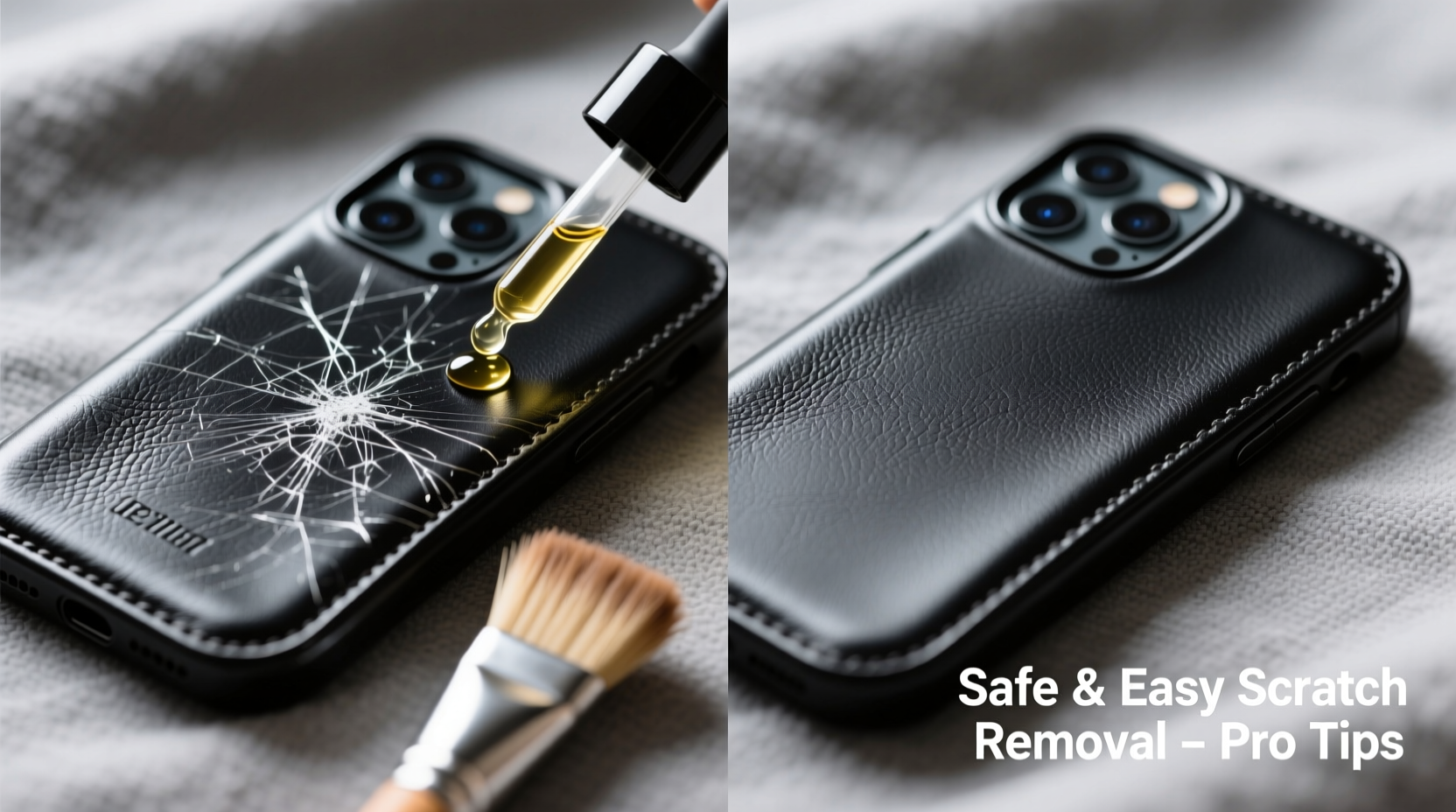
Not all leather reacts the same way to scratches or treatments. Knowing your case’s leather type is crucial before attempting any repair:
- Full-grain leather: The most durable and natural form, prone to developing a patina. Minor scratches often blend into the aging process and may fade naturally with use.
- Top-grain leather: Slightly thinner and more processed than full-grain, this type has a protective finish that can mask small scratches but may show wear if scratched deeply.
- Suede or nubuck: These have a soft, brushed surface that hides scratches less effectively. Special care is required—standard leather conditioners may darken or stain them.
- Bonded or synthetic leather: Less expensive and less resilient. Harsh treatments can cause peeling or cracking.
“Leather is a living material. Surface scratches aren’t flaws—they’re signs of life. But when they become too prominent, restoration brings back both beauty and confidence in your accessory.” — Marcus Reed, Artisan Leather Craftsman
Step-by-Step Guide: Removing Light Scratches with Natural Oils
For superficial marks on full or top-grain leather, natural oils can work wonders by rehydrating fibers and encouraging the leather to “heal” minor abrasions.
- Clean the surface: Use a dry microfiber cloth to wipe away dust and debris. Avoid wet wipes or alcohol-based cleaners.
- Apply a drop of olive or coconut oil: Place a tiny amount on a cotton swab or soft cloth. Less is more—over-oiling can leave greasy residues.
- Gently rub along the scratch: Use circular motions for 30–60 seconds. The warmth from friction helps the oil penetrate.
- Let it rest: Allow the oil to absorb for 15–20 minutes.
- Buff with a dry cloth: Use a clean microfiber towel to polish the surface and remove excess oil.
This method works best on dry, faded-looking scratches. It won’t fix deep gouges but often reduces visibility significantly within one application.
Using Leather Conditioner for Deeper Marks
Commercial leather conditioners contain emollients and waxes designed specifically for restoring moisture and luster. They’re ideal for cases that have lost their sheen due to frequent handling or environmental exposure.
Recommended Application Process:
- Choose a pH-balanced conditioner suitable for smooth leather (avoid silicone-heavy formulas).
- Apply a pea-sized amount to a lint-free cloth.
- Work the product into the scratch using light pressure and consistent strokes.
- Wait 10 minutes for absorption.
- Buff thoroughly to prevent stickiness.
Repeat after 24 hours if needed. Most high-quality conditioners also provide UV protection, helping prevent future fading.
Do’s and Don’ts When Treating Leather Scratches
| Do’s | Don’ts |
|---|---|
| Use a soft, dry cloth for cleaning | Use paper towels—they can scratch |
| Test products on inconspicuous areas first | Apply water directly to the leather |
| Store your case away from heat and sunlight | Expose it to direct heat (e.g., radiators, car dashboards) |
| Condition every 4–6 weeks for maintenance | Over-condition—once monthly is usually sufficient |
| Address scratches early before they oxidize | Use shoe polish—it’s too harsh and may stain |
Mini Case Study: Reviving a Two-Year-Old Leather Case
Sarah, a graphic designer in Portland, had used her black Horween leather iPhone case daily for over two years. While she loved its aged look, a recent keychain scratch across the front became increasingly noticeable. She tried wiping it with a damp cloth, which only made it worse by spreading oils unevenly.
Following online advice, she purchased a small bottle of Lexol leather conditioner. After cleaning the case with a dry cloth, she applied the conditioner sparingly along the scratch. Within ten minutes, the mark had softened dramatically. After a second application the next day and a thorough buff, the scratch was nearly invisible. Sarah now conditions her case monthly and stores it in a breathable fabric pouch when not in use.
Her experience highlights how timely intervention and proper products can extend the life and appearance of premium accessories.
Alternative Methods: Heat and Finger Oil Technique
An unconventional yet effective trick used by leather artisans involves body heat and natural skin oils. This works especially well on light white or silvery scratches caused by friction.
- Wash and dry your hands thoroughly.
- Rub your finger firmly back and forth over the scratch for 30–60 seconds.
- The combination of warmth and natural sebum softens the leather fibers, encouraging them to re-bond.
This method mimics how some luxury watch strap makers recommend breaking in new straps. It’s chemical-free and instantly accessible—ideal for quick fixes on the go.
When to Avoid DIY Fixes
While most everyday scratches respond well to home care, certain situations require caution:
- Deep cuts or punctures: These cannot be polished out and may compromise structural integrity.
- Fraying edges: Indicates advanced wear; conditioning won’t reverse fiber breakdown.
- Peeling or flaking finish: Common in bonded leather—this signals degradation beyond surface-level repair.
In such cases, professional refinishing services may offer better results, though cost often approaches that of replacement.
Preventative Maintenance Checklist
To keep your leather iPhone case looking pristine longer, follow this simple routine:
- ✅ Wipe down weekly with a dry microfiber cloth
- ✅ Condition every 4–6 weeks (more often in dry climates)
- ✅ Store in a cool, dry place away from direct sunlight
- ✅ Avoid placing in pockets with keys or coins
- ✅ Rotate between multiple cases if used heavily
- ✅ Keep away from perfumes, lotions, and hand sanitizers
FAQ
Can I use toothpaste to remove scratches from leather?
No. Toothpaste is mildly abrasive and formulated for enamel, not porous materials. It can strip finishes and discolor leather permanently.
Will water help lift a scratch?
Generally no. Water can stiffen leather, cause warping, or lead to mold if trapped. If the case gets wet accidentally, blot immediately and air-dry naturally—never use heat.
How long does it take for a scratch to fade naturally?
With regular handling, minor surface scratches on full-grain leather may soften within 1–3 months due to natural oils transferring from your hands. Conditioning accelerates this process.
Final Thoughts
Your leather iPhone case deserves thoughtful care—not aggressive fixes. Most scratches aren’t permanent damage but temporary disruptions in the surface texture. By understanding your leather type, using gentle nourishing agents, and maintaining a consistent upkeep routine, you can preserve both function and aesthetics for years.
Restoring a scratch isn’t about erasing history—it’s about honoring craftsmanship with mindful maintenance. Whether you opt for natural oils, commercial conditioners, or the warmth of your fingertip, the goal remains the same: to keep your device protected and polished, just as it was meant to be.




 浙公网安备
33010002000092号
浙公网安备
33010002000092号 浙B2-20120091-4
Comments
No comments yet. Why don't you start the discussion?