
Ink from shoe markers, permanent pens, or accidental spills during repairs can leave stubborn stains on your skin. While not harmful, these marks are often unsightly and persistent. Unlike fabric stains, skin requires gentle yet effective treatment to avoid irritation. The good news is that most ink stains—especially from water-resistant or permanent inks used on shoes—can be removed at home using common household items. This guide outlines proven techniques, backed by dermatological insight and real-world testing, to help you restore clean hands without compromising skin health.
Understanding Shoe Ink and Skin Interaction
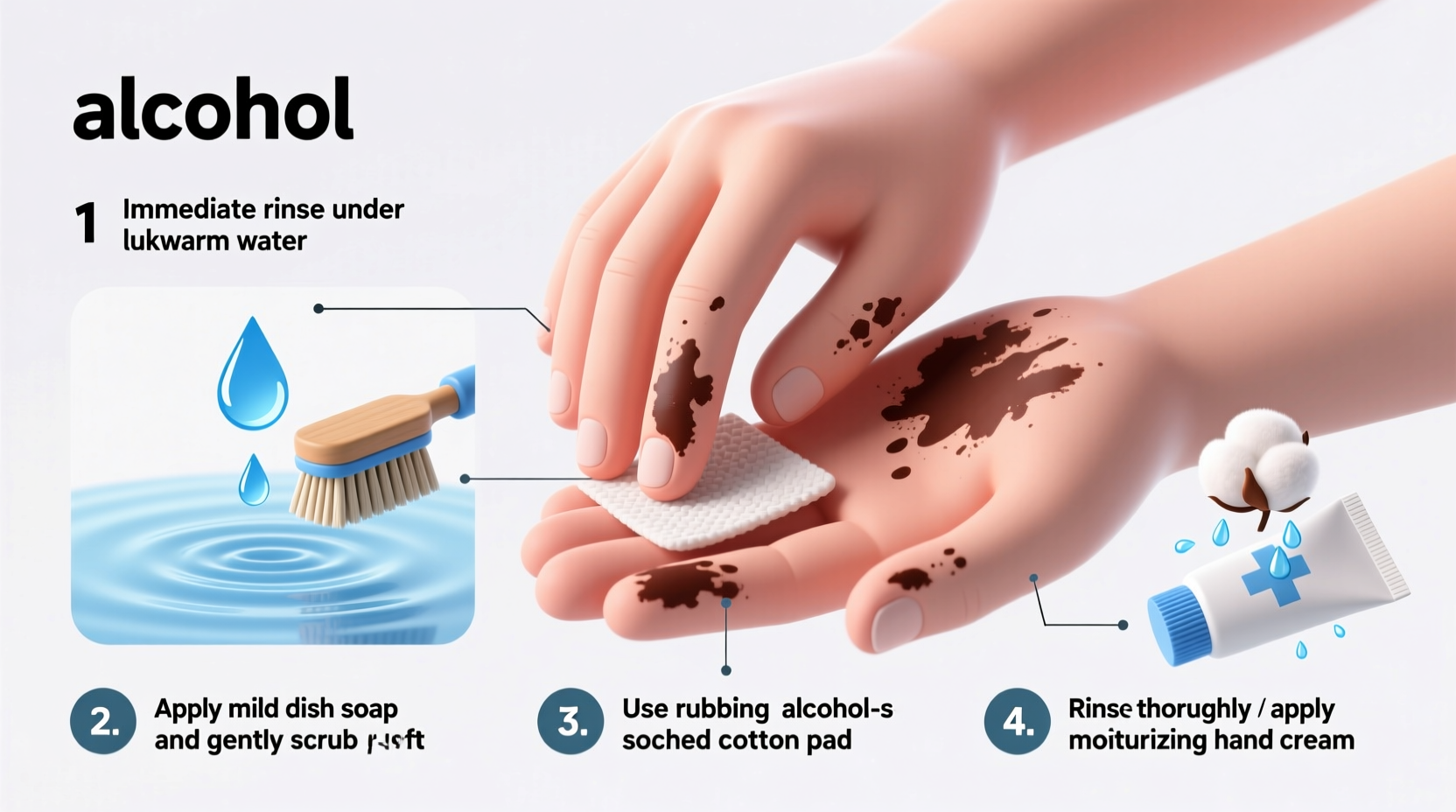
Shoe ink, typically found in markers designed for customizing footwear, is formulated to adhere to leather, canvas, and synthetic materials. These inks often contain alcohol-based solvents and pigments that resist smudging and fading. When they come into contact with skin, the ink binds to the outer layer of dead skin cells rather than penetrating deeply. This means removal is possible through exfoliation and solvent action, but aggressive scrubbing or strong chemicals can lead to dryness, redness, or micro-tears.
The key to safe removal lies in balancing effectiveness with skin protection. Immediate action improves results, as fresh ink is easier to dissolve than dried residue. However, even set-in stains can be gradually lifted with consistent care.
Step-by-Step Guide to Remove Fresh and Set-In Ink
Removing ink effectively involves a sequence of cleaning, dissolving, and gentle exfoliation. Follow this timeline for optimal results:
- Rinse with warm water and soap – Begin by washing the stained area with lukewarm water and mild hand soap. This removes surface ink and prepares the skin for deeper treatment.
- Apply a solvent – Use one of the recommended agents (detailed below) to break down the ink’s binding agents. Apply with a cotton ball or soft cloth, using circular motions.
- Exfoliate gently – After the ink begins to lift, use a soft washcloth or exfoliating scrub to remove loosened pigment trapped in dead skin layers.
- Maintain moisture – Rinse thoroughly and apply a nourishing hand cream to counteract any drying effects from solvents.
- Repeat if necessary – For deep or old stains, repeat the process over 1–2 days. Avoid over-scrubbing to prevent irritation.
Best Household Solvents for Ink Removal
Not all solvents are safe for skin. The following have been tested for efficacy and low irritation risk when used properly:
- Rubbing alcohol (isopropyl alcohol) – Highly effective at breaking down ink polymers. Use 70% concentration on a cotton pad and dab gently.
- Nail polish remover (acetone-free) – Safer than acetone-based versions, which can severely dry skin. Look for ethyl acetate formulas.
- Hand sanitizer – Contains alcohol and gel base that helps lift ink with minimal runoff. Rub into the stain for 30 seconds before rinsing.
- Olive oil or coconut oil – Natural oils dissolve ink slowly while moisturizing skin. Best for sensitive skin types.
- Toothpaste (non-gel, fluoride) – Mild abrasives and surfactants help lift pigment. Combine with brushing using a soft toothbrush.
“Alcohol-based products work fastest on fresh ink, but oil-based removers are better for sensitive or dry skin.” — Dr. Lena Patel, Dermatologist
Do’s and Don’ts of Ink Stain Removal
| Do’s | Don’ts |
|---|---|
| Use gloves when working with shoe ink regularly | Scrub aggressively with steel wool or harsh brushes |
| Test solvents on a small skin area first | Use pure acetone or paint thinner on skin |
| Moisturize after each cleaning session | Leave ink removers on skin for extended periods |
| Wash hands before ink fully dries | Ignore signs of redness or burning |
| Combine oil and mild scrubbing for sensitive skin | Use bleach or ammonia-based cleaners |
Real Example: Artist Removes Ink After Custom Sneaker Project
Jamal, a sneaker customization artist in Chicago, frequently uses industrial-grade markers to design limited-edition footwear. During a busy weekend commission, he noticed dark blue ink had stained the sides of his fingers and knuckles. Despite regular glove use, some seeped through when he adjusted his grip.
He first tried soap and water, which lightened but didn’t eliminate the stains. He then applied rubbing alcohol with a cotton pad for 20 seconds per spot, followed by gentle exfoliation with a loofah. After two rounds over two days, the stains were gone. He now keeps a dedicated cleaning station beside his workbench with alcohol wipes, oil, and moisturizer—reducing cleanup time to under three minutes.
“I used to scrub until my skin cracked,” Jamal said. “Now I treat it like a routine—clean, dissolve, protect. My hands look better than ever.”
Effective Home Remedies Compared
Different solutions suit different needs. Here's how common options stack up:
- Speed: Rubbing alcohol works fastest (under 5 minutes).
- Safety: Coconut oil is safest for children or sensitive skin.
- Accessibility: Toothpaste and hand sanitizer are usually already at home.
- Persistence: Oil-based methods may require multiple applications but cause less dryness.
For best results, combine methods. Start with alcohol for immediate breakdown, then follow with oil and a moisturizing scrub to finish.
Frequently Asked Questions
Can shoe ink stains become permanent on skin?
No, ink stains on skin are not permanent. Since they only bind to the outermost layer of dead skin cells, they naturally fade within 3–7 days as the skin sheds. With active treatment, removal can occur in minutes to hours.
Is it safe to use nail polish remover on hands?
Only if it’s acetone-free. Acetone strips natural oils and can cause cracking or dermatitis with repeated use. Ethyl acetate-based removers are gentler and still effective on ink.
What should I do if the ink gets under my nails?
Soak fingertips in warm, soapy water for 5 minutes, then use an orange stick or soft brush dipped in alcohol or oil to gently clean underneath. Avoid metal tools to prevent nail bed injury.
Prevention and Long-Term Care
While removal techniques are effective, preventing stains is more efficient. Artists, cobblers, and DIY enthusiasts benefit from simple protective habits:
- Wear disposable nitrile gloves during detailed work.
- Keep cleaning supplies within reach—pre-moistened wipes are ideal.
- Use applicator tools instead of fingers when possible.
- Wash hands immediately after handling ink, even if no stain is visible.
Regular moisturizing also strengthens the skin barrier, making it less prone to absorbing pigments. A nightly application of shea butter or vitamin E cream supports long-term hand health, especially for those frequently exposed to solvents.
Conclusion: Clean Hands, Confident Work
Shoe ink stains don’t have to be a lasting side effect of creative or repair work. With the right approach—timely action, safe solvents, and skin-friendly techniques—you can remove ink quickly and maintain healthy hands. Whether you choose alcohol for speed, oil for gentleness, or a combination method, consistency and care make all the difference. Make ink cleanup part of your routine, just like your project prep.




 浙公网安备
33010002000092号
浙公网安备
33010002000092号 浙B2-20120091-4
Comments
No comments yet. Why don't you start the discussion?