
Dog bowl slime is more than just an eyesore—it’s a potential health hazard. That slippery, film-like layer that forms in water and food bowls isn’t just dirt; it’s a biofilm composed of bacteria, fungi, and leftover organic matter. Left unchecked, this buildup can lead to infections, bad breath, and even gastrointestinal issues in dogs. Fortunately, with the right cleaning techniques and preventive habits, you can eliminate existing slime and stop it from returning. This guide provides practical, science-backed strategies to keep your pet’s feeding area clean, fresh, and safe.
Understanding Dog Bowl Slime: What It Is and Why It Forms
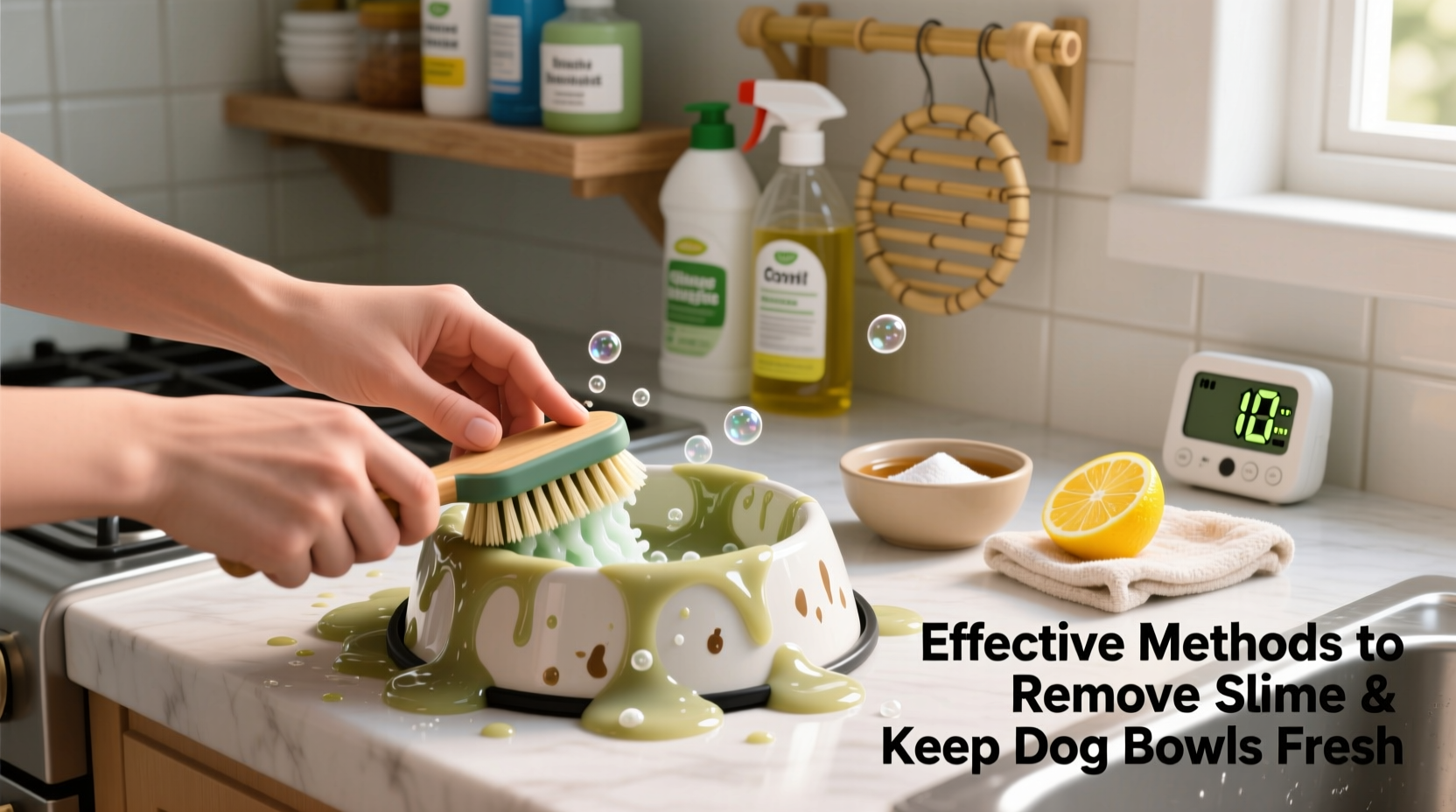
The slimy residue in dog bowls is primarily a microbial biofilm—a complex community of microorganisms that adhere to surfaces and secrete a protective, glue-like matrix. This biofilm thrives in moist environments, especially when organic material like saliva, food particles, or water additives are present. Common bacteria found in these films include Pseudomonas aeruginosa, E. coli, and Salmonella, all of which pose risks to both pets and humans.
Stainless steel and ceramic bowls resist bacterial adhesion better than plastic, but no material is immune if not cleaned properly. Even automatic water dispensers and elevated feeders can accumulate biofilm in crevices and seams. The key to control lies not only in removing existing slime but also in disrupting the conditions that allow it to form.
Step-by-Step Guide to Removing Existing Slime
When slime has already formed, surface washing won’t suffice. A deep-cleaning protocol is necessary to break down the biofilm and sanitize the bowl thoroughly. Follow this six-step process for effective results:
- Empty and rinse: Remove all leftover food or water and rinse under warm running water to loosen debris.
- Scrub with dish soap: Use a dedicated pet bowl brush and hot, soapy water. Focus on corners, rims, and textured areas where biofilm hides.
- Soak in vinegar solution (1:1 white vinegar and water): Submerge the bowl for 30 minutes. Vinegar’s acetic acid disrupts microbial cell membranes and dissolves mineral deposits.
- Rinse thoroughly: Ensure no vinegar taste remains, as some dogs may refuse water with residual acidity.
- Sanitize with diluted bleach (optional): For stubborn slime, soak in a solution of 1 tablespoon unscented bleach per gallon of water for 10 minutes. Rinse three times afterward.
- Air dry completely: Place upside down on a clean rack. Avoid towel drying, which can reintroduce bacteria.
This method works for stainless steel, ceramic, and silicone bowls. Avoid bleach on plastic, as it can degrade the material and create micro-scratches where bacteria thrive.
Best Cleaning Agents Compared
Not all cleaners are equally effective or safe. Here's a comparison of common options based on efficacy, safety, and ease of use:
| Cleaning Agent | Effectiveness Against Slime | Safety for Pets | Notes |
|---|---|---|---|
| Dish soap + hot water | Moderate (daily use) | High (when rinsed) | Essential for routine cleaning; insufficient alone for heavy slime. |
| White vinegar (5% acetic acid) | High | High | Natural disinfectant; deodorizes and dissolves mineral buildup. |
| Baking soda paste | Moderate | High | Good for scrubbing; mild abrasive, best combined with vinegar. |
| Diluted bleach (1:10 ratio) | Very High | Moderate (must rinse well) | Kills nearly all pathogens; use weekly for high-risk households. |
| Hydrogen peroxide (3%) | High | High | Breaks down biofilm; eco-friendly alternative to bleach. |
| Commercial pet bowl cleaners | Variable | Check label | Some contain harsh chemicals; choose plant-based, non-toxic brands. |
Preventing Slime Buildup: Daily Habits That Work
Prevention is simpler and safer than constant deep cleaning. Integrating these practices into your routine significantly reduces slime formation:
- Clean bowls daily: Wash food and water bowls every evening, even if they appear clean.
- Use smooth, non-porous materials: Stainless steel and glazed ceramic are easier to sanitize than plastic.
- Replace plastic bowls regularly: Scratches harbor bacteria. Replace every 6–12 months or sooner if damaged.
- Avoid moisture traps: Don’t stack wet bowls or store them in enclosed cabinets before drying.
- Change water twice daily: Stagnant water encourages bacterial growth. Morning and evening changes help.
Mini Case Study: How One Household Reduced Slime by 90%
The Thompson family noticed their Labrador, Max, frequently pawing at his mouth after drinking. A vet visit revealed mild gingivitis linked to contaminated water. They were using two plastic bowls, washed weekly with dish soap. After switching to stainless steel and implementing a nightly cleaning routine—including a vinegar soak once a week—the slimy film disappeared within days. Within a month, Max’s breath improved, and he stopped avoiding his water bowl. The change required minimal effort but had measurable health benefits.
Expert Insight: What Veterinarians Recommend
“Biofilm in pet bowls is underestimated. We see cases of chronic ear infections and skin issues tied back to poor bowl hygiene. I recommend stainless steel bowls, daily washing, and a weekly sanitizing soak—just like you’d treat baby bottles.” — Dr. Lena Patel, DVM, Pet Wellness Specialist
Do’s and Don’ts of Dog Bowl Maintenance
| Do’s | Don’ts |
|---|---|
| Wash bowls daily with hot, soapy water | Leave bowls unwashed overnight |
| Use a bottle brush for narrow water dispensers | Use abrasive scouring pads on plastic |
| Air-dry bowls completely before reuse | Stack damp bowls for storage |
| Replace cracked or scratched bowls immediately | Use scented or antibacterial dish soaps (can leave toxic residues) |
| Label cleaning brushes for pet-only use | Share human kitchen sponges with pet bowls |
Frequently Asked Questions
How often should I deep-clean my dog’s bowls?
At minimum, perform a deep clean with vinegar or diluted bleach once a week. If your dog eats wet food, drinks from outdoor sources, or has a weakened immune system, consider sanitizing twice weekly.
Can I put dog bowls in the dishwasher?
Yes, if the manufacturer indicates they’re dishwasher-safe. Place bowls on the top rack to avoid warping, and use a high-heat drying cycle for added sanitation. However, hand-washing allows more thorough scrubbing of hidden crevices.
Is slime harmful to humans?
Potentially. Zoonotic bacteria like Salmonella and MRSA have been found in pet bowls. Always wash your hands after handling pet dishes and avoid touching your face during cleaning.
Conclusion: A Small Habit with Big Health Benefits
Keeping dog bowls free of slime isn’t about perfection—it’s about consistency. The methods outlined here require minimal time but deliver significant returns in your pet’s health and comfort. From choosing the right materials to adopting a simple nightly routine, each step reduces the risk of infection and supports overall wellness. Start today: grab a brush, mix a vinegar solution, and give those bowls a proper scrub. Your dog may not thank you in words, but their bright eyes, fresh breath, and eager appetite will say it all.




 浙公网安备
33010002000092号
浙公网安备
33010002000092号 浙B2-20120091-4
Comments
No comments yet. Why don't you start the discussion?