
Soap stains are more common than many realize—especially after using powdered detergents, high-efficiency (HE) machines, or hard water. These residues often appear as dull, chalky patches on dark fabrics or leave behind a stiff, filmy texture that degrades the feel of clothing. While they may not be as obvious as food or oil stains, soap buildup can compromise both appearance and fabric integrity over time. The good news is that with the right approach, these stains are removable, and fabric softness and vibrancy can be restored.
Understanding Soap Stains and Their Causes
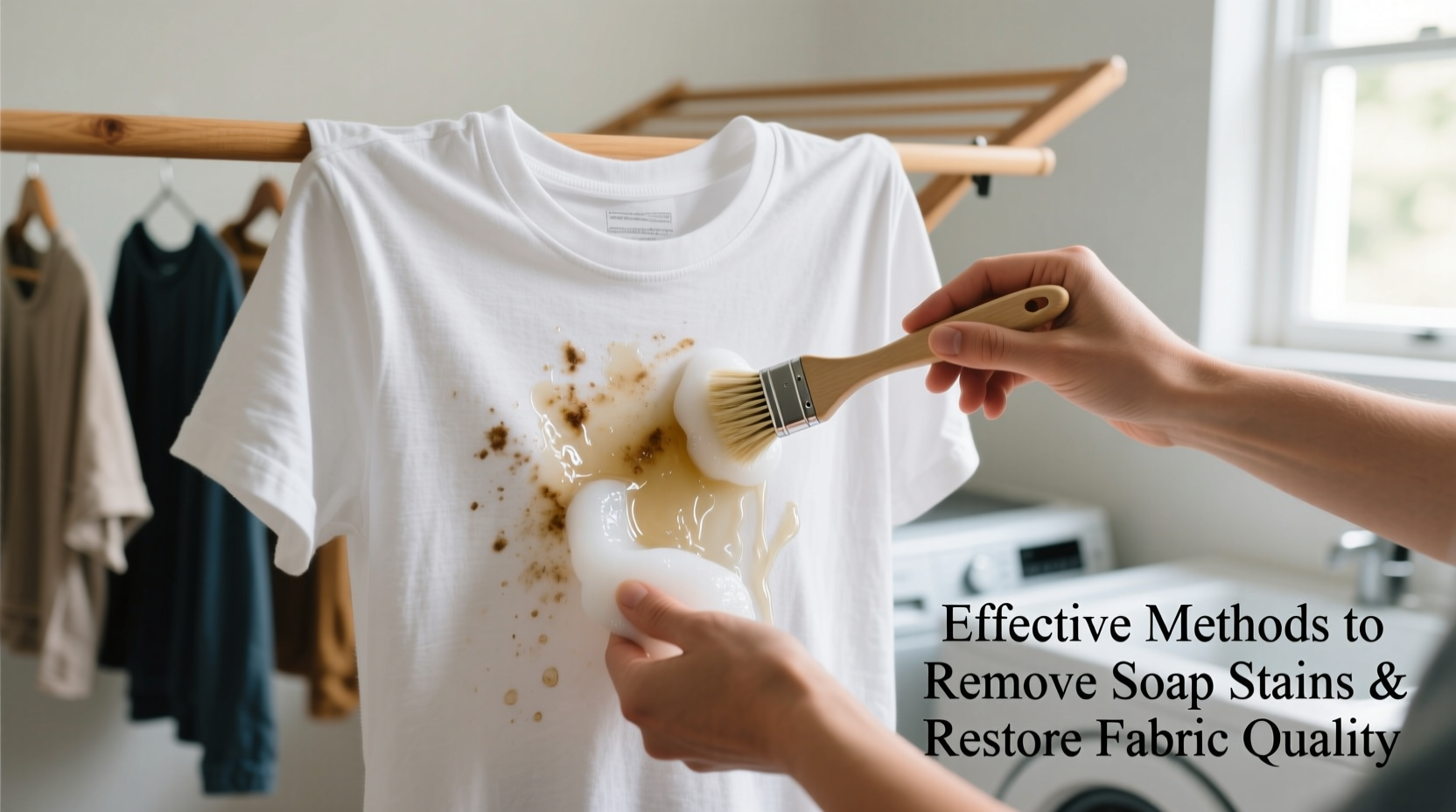
Soap stains typically occur when detergent fails to fully dissolve or rinse out during the wash cycle. This residue binds to fabric fibers, particularly in synthetic materials like polyester or blends. Common causes include:
- Overuse of detergent: More isn't always better. Excess detergent overwhelms the rinse cycle.
- Hard water: Minerals like calcium and magnesium react with soap, forming insoluble scum that sticks to clothes.
- Cold water washing: While energy-efficient, cold water reduces detergent solubility, increasing residue risk.
- High-Efficiency (HE) washer misuse: Using regular detergent in HE machines leads to excess suds and poor rinsing.
- Dryer heat setting: Heat can bake detergent into fibers, making stains permanent if not treated early.
Step-by-Step Guide to Remove Soap Stains
Act quickly for best results. Once detergent is heat-set in the dryer, removal becomes significantly harder. Follow this detailed process to eliminate soap residue effectively.
- Stop the drying process: If you notice soap stains post-wash, do not put the clothes in the dryer. Heat sets the residue permanently.
- Pre-soak in warm water: Fill a basin with warm (not boiling) water. Add one cup of distilled white vinegar per gallon. Soak garments for 30–60 minutes. Vinegar helps break down alkaline soap deposits.
- Agitate gently: Swirl clothes in the solution to loosen residue. For stubborn areas, rub fabric together softly or use a soft brush.
- Re-wash without detergent: Run a normal cycle using only vinegar—½ cup in the drum. This clears remaining buildup without adding more chemicals.
- Rinse twice: If your machine allows, select an extra rinse cycle to ensure all traces are flushed out.
- Line dry: Air-dry clothes to confirm the stain is gone before using heat.
- Inspect and repeat if needed: If residue persists, repeat the soak and rinse process before considering stronger agents.
Restoring Fabric Quality After Soap Buildup
Even after removing visible stains, fabrics may feel rough or look dull due to fiber damage from chemical buildup. Restoration focuses on reconditioning the textile’s natural softness and luster.
Use a fabric revitalizer solution made of:
- 1 cup white vinegar
- ½ cup baking soda
- 1 gallon warm water
Soak clothes for up to two hours, then rinse thoroughly. The vinegar softens fibers while baking soda neutralizes pH imbalances caused by alkaline detergent.
“Repeated soap residue exposure weakens cotton and synthetics alike. Restorative soaks with vinegar can recover up to 80% of lost softness.” — Dr. Lena Patel, Textile Chemist at Advanced Fabric Research Lab
Do’s and Don’ts: Best Practices for Preventing Soap Stains
| Do’s | Don’ts |
|---|---|
| Use HE detergent in HE machines | Use regular detergent in HE washers |
| Measure detergent precisely | Guess detergent amounts |
| Add vinegar to the rinse cycle occasionally | Combine vinegar with bleach (creates toxic fumes) |
| Wash heavily soiled loads separately | Overload the washing machine |
| Deep-clean your washing machine monthly | Ignore mold or mildew in rubber seals |
Real Example: Rescuing a Wardrobe from Detergent Damage
Sarah, a busy mother of three in Portland, noticed her family’s dark jeans were developing grayish streaks and felt increasingly stiff. She initially blamed aging clothes, but after skipping the dryer and trying a vinegar soak, she was shocked at how much residue came out. She repeated the treatment on multiple loads and restored nearly all garments. She now uses half the detergent she once did and runs a monthly maintenance wash for her machine with a cup of vinegar. Her clothes last longer, feel softer, and look cleaner—without spending more on replacements.
When Home Remedies Aren’t Enough: Commercial Solutions
If vinegar and baking soda fail, consider specialized laundry additives designed to remove mineral and detergent buildup. Products like Affresh Washer Cleaner, Glisten Washer Machine Cleaner, or The Laundress Wash Away target hidden residue in both clothes and machines. These are especially useful in hard water areas.
For delicate fabrics like silk or wool, avoid DIY solutions. Instead, use a gentle enzyme-based laundry wash formulated for delicates. Enzymes help break down organic residues without damaging sensitive fibers.
Checklist: Eliminate and Prevent Soap Stains
- ☐ Inspect clothes after washing—before drying
- ☐ Use only HE detergent in high-efficiency machines
- ☐ Measure detergent carefully; follow label instructions
- ☐ Soak stained items in vinegar-water solution
- ☐ Re-wash without detergent using vinegar
- ☐ Run an extra rinse cycle
- ☐ Air-dry until stain is confirmed gone
- ☐ Clean washing machine monthly
- ☐ Install a water softener if you have hard water
- ☐ Replace fabric softener with wool dryer balls
Frequently Asked Questions
Can vinegar damage my clothes?
No, distilled white vinegar is safe for most fabrics and actually helps remove odors and residues. It does not discolor whites or weaken fibers when used properly. Always dilute it in water and avoid mixing with bleach.
Why do my black clothes look faded after washing?
Fading may not be due to wear—it could be soap scum dulling the surface. Residue creates a hazy film that diffuses light, reducing perceived color depth. A vinegar soak often restores original richness by clearing the coating.
Is it necessary to clean the washing machine to prevent soap stains?
Yes. Over time, detergent and minerals accumulate in hoses, drums, and seals. A dirty machine recirculates grime onto clean clothes. Monthly cleaning with a dedicated washer tablet or vinegar-baking soda flush prevents this cycle.
Conclusion: Protect Your Clothes, Preserve Their Life
Soap stains are preventable and treatable with informed care. By understanding how detergent interacts with water and fabric, you can reverse damage and maintain clothing quality over time. Simple habits—like measuring detergent, avoiding premature drying, and using natural rinses—can save hundreds of dollars in wardrobe replacements. Take action today: inspect your next laundry load, test a vinegar soak, and give your clothes the chance to look and feel like new again.




 浙公网安备
33010002000092号
浙公网安备
33010002000092号 浙B2-20120091-4
Comments
No comments yet. Why don't you start the discussion?