
Leather bucket bags combine timeless style with everyday functionality, making them a favorite among fashion-conscious individuals. However, their frequent use exposes them to spills, dirt, and accidental stains that can dull their appearance. Unlike fabric or synthetic materials, leather demands careful treatment—using the wrong method can cause cracking, discoloration, or irreversible damage. The good news is that most common stains can be removed effectively at home using gentle, proven techniques. With the right tools and approach, you can restore your bag’s luster while preserving its integrity.
Understanding Your Leather Type
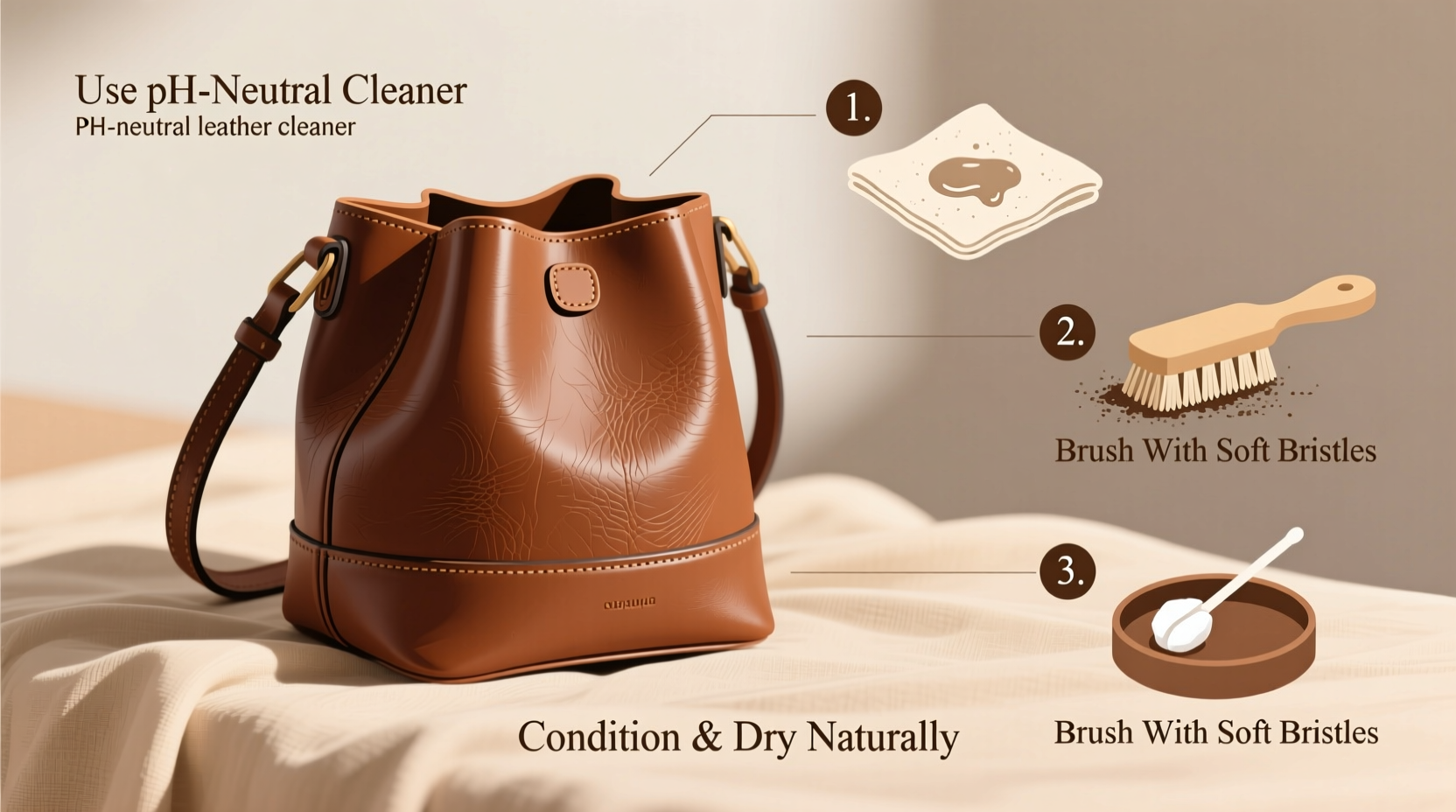
Before attempting any stain removal, it's essential to identify the type of leather your bucket bag is made from. Not all leathers react the same way to cleaning agents, and using an inappropriate method can do more harm than good.
- Aniline leather: Soft, natural-looking, and highly absorbent. Most sensitive to water and chemicals.
- Semi-aniline leather: Treated with a light protective coating; slightly more durable but still delicate.
- Protected (pigmented) leather: Coated with a finish that resists stains and moisture. Most common in handbags.
- Suede and nubuck: Textured surfaces that require specialized tools and cleaners.
If unsure, check the care label or manufacturer’s website. When in doubt, test any cleaning solution on a small, inconspicuous area first—like the bottom edge or inside strap attachment.
Step-by-Step Guide to Removing Common Stains
Different stains require tailored approaches. Below is a practical timeline for addressing the most frequent types of blemishes found on leather bucket bags.
- Act quickly: The sooner you treat a stain, the better your chances of complete removal.
- Blot, don’t rub: Use a clean, dry microfiber cloth to gently absorb liquids. Rubbing spreads the stain and damages fibers.
- Identify the stain: Tailor your method based on whether it’s oil-based, water-based, ink, or dirt.
- Apply the appropriate cleaner: Use only products designed for leather or mild DIY solutions.
- Dry naturally: Never use heat sources like hairdryers or radiators.
- Condition afterward: Replenish moisture lost during cleaning to prevent cracking.
Removing Water-Based Stains (Coffee, Juice, Rainwater)
These leave light rings or dark spots when absorbed. For protected leather:
- Blot excess moisture immediately.
- Dampen a soft cloth with distilled water and gently wipe the area.
- Use a leather cleaner suitable for your leather type, following product instructions.
- Wipe with a dry cloth and allow to air-dry away from direct sunlight.
- Once dry, apply a leather conditioner to restore suppleness.
Treating Oil-Based Stains (Makeup, Grease, Lotions)
Oil penetrates deeply and leaves greasy marks. Do not wet the area initially.
- Sprinkle cornstarch or talcum powder over the stain.
- Let it sit overnight to absorb the oil.
- Gently brush off the powder with a soft-bristled brush.
- If residue remains, use a small amount of leather degreaser or a drop of mild saddle soap on a damp cloth.
- Rinse with a clean, damp cloth and dry thoroughly before conditioning.
Dealing with Ink Marks
Ink is one of the trickiest stains. Avoid alcohol-based removers, which can spread ink and bleach color.
- Use a specialized leather ink remover (available at leather supply stores).
- Apply sparingly with a cotton swab, working from the outside inward.
- Blot frequently with a clean cloth.
- Stop if discoloration occurs—consult a professional instead.
Do’s and Don’ts: Leather Stain Removal Table
| Do’s | Don’ts |
|---|---|
| Use distilled water to avoid mineral deposits | Use tap water on light-colored leather |
| Test cleaners on hidden areas first | Apply undiluted vinegar or alcohol directly |
| Condition leather monthly | Expose leather to prolonged sunlight or heat |
| Store in breathable cotton dust bags | Keep in plastic bags, which trap moisture |
| Use a soft brush for textured leather | Scrub aggressively with rough cloths or sponges |
Real Example: Reviving a Coffee-Stained Bucket Bag
Sophie, a graphic designer in Portland, spilled her latte on her tan leather bucket bag during her morning commute. Initially panicked, she remembered reading about blotting techniques. She used a napkin to absorb as much liquid as possible, then waited until she got home to act further. Using a mix of distilled water and a pH-neutral leather cleaner, she gently wiped the ring left behind. After letting it dry naturally overnight, she applied a cream conditioner. Within two days, the stain was nearly invisible, and the leather felt softer than before. “I realized I’d been neglecting conditioning,” she said. “Now I do it every month.”
Expert Insight on Long-Term Leather Care
“Most leather damage comes not from stains themselves, but from improper reactions to them. Immediate blotting, correct product selection, and regular conditioning are the trifecta of maintenance.” — Marcus Reed, Master Leather Conservator at The Artisan Atelier
Reed emphasizes that prevention is far more effective than correction. He recommends treating leather like skin: it needs hydration, protection, and gentle cleansing to remain healthy.
Essential Leather Care Checklist
To keep your bucket bag looking pristine and handle future stains confidently, follow this routine:
- ☑ Inspect your bag weekly for early signs of dirt or moisture
- ☑ Wipe down surfaces monthly with a dry microfiber cloth
- ☑ Deep clean every 3–4 months using a leather-safe cleaner
- ☑ Condition leather every 4–6 weeks, especially in dry climates
- ☑ Store in a cool, dry place inside a breathable dust bag
- ☑ Keep away from direct sunlight and humidity
- ☑ Address stains within 24 hours for best results
Frequently Asked Questions
Can I use baby wipes to clean my leather bag?
No. Most baby wipes contain alcohol, fragrances, and preservatives that dry out leather and may cause cracking or fading over time. Stick to products specifically formulated for leather or a homemade solution of distilled water and a drop of mild castile soap.
What should I do if my bag gets soaked in the rain?
First, blot excess water with a dry towel. Remove any contents to maintain shape. Let it air-dry at room temperature—never near a heater. Once fully dry (which may take 24–48 hours), condition the leather to restore moisture. If mold develops, consult a professional restorer.
Is it safe to use vinegar and water on leather?
A diluted solution (one part white vinegar to two parts water) can work for tough grime on heavily finished leather, but it's risky for lighter or aniline-treated leathers. Vinegar is acidic and can degrade finishes or alter color. Always patch-test first and avoid repeated use.
Protect Your Investment with Consistent Care
Your leather bucket bag is more than an accessory—it’s a long-term investment in style and function. Stains are inevitable with daily use, but they don’t have to mean permanent damage. By understanding your leather type, acting promptly, and using safe, tested methods, you can maintain your bag’s beauty for years. Regular conditioning and mindful storage go a long way in preventing issues before they start. Treat your leather with the respect it deserves, and it will reward you with lasting elegance.




 浙公网安备
33010002000092号
浙公网安备
33010002000092号 浙B2-20120091-4
Comments
No comments yet. Why don't you start the discussion?