
Tissue paper stuck to clothing after washing or drying is a surprisingly common issue—especially with delicate garments, synthetic fabrics, or items stored with decorative paper. While seemingly minor, the residue can be stubborn, leaving behind lint, fibers, or even faint stains that compromise appearance and texture. Removing it improperly can lead to pilling, snags, or fabric weakening. The good news is that with the right approach, you can eliminate tissue paper residue effectively and safely, regardless of fabric type.
The key lies in understanding how the residue bonds to fabric and selecting a method that loosens the paper fibers without stressing the material. This guide covers proven, non-damaging techniques backed by textile care experts and real-world testing.
Understanding the Problem: Why Tissue Paper Sticks After Washing
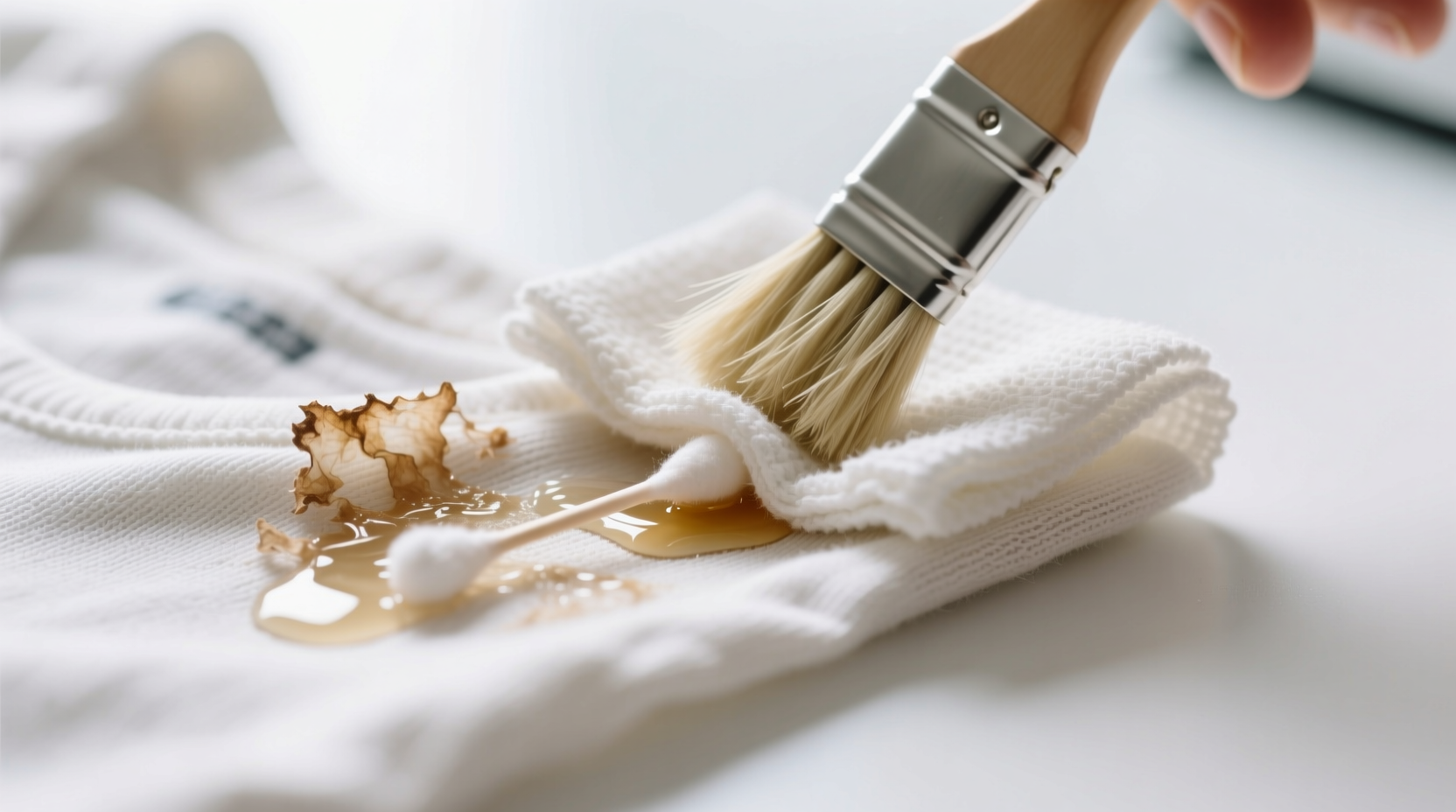
Tissue paper often ends up on clothes during storage, packaging, or accidental inclusion in laundry loads. When exposed to heat and moisture—particularly in dryers—the thin cellulose fibers in tissue can partially dissolve or adhere to fabric surfaces through static cling and thermal bonding. Synthetic materials like polyester are especially prone because they generate static and don’t absorb moisture well, allowing paper fibers to cling more persistently.
Heat from the dryer sets the bond, making removal harder. Attempting to peel off the residue by hand may leave behind microscopic fibers or pull at delicate weaves. Therefore, mechanical or chemical intervention must be gentle yet effective.
Step-by-Step Guide to Safe Residue Removal
Follow this systematic process to remove tissue paper residue without harming your garments. The method varies slightly depending on fabric sensitivity and the extent of residue.
- Assess the Fabric Type: Check the care label. Delicates (silk, lace, rayon) require gentler methods than cotton or denim.
- Do Not Rub or Scrape: Avoid using nails or rough tools, which can abrade fibers.
- Dampen the Area Slightly: Use a clean cloth with cool water to lightly moisten the affected area. This helps loosen paper fibers.
- Use a Lint Roller or Tape: Gently roll over the surface. For heavier buildup, wrap adhesive tape around your hand (sticky side out) and dab the area.
- Re-wash with Vinegar (if needed): If residue persists, rewash the garment with one cup of white vinegar in cold water to break down cellulose without bleach-like harshness.
- Air Dry and Inspect: Never return the item to the dryer until all residue is gone. Heat will re-bond any remaining fibers.
For Delicate Fabrics: A Special Approach
Fine silks, wools, and chiffons need extra caution. Instead of moisture, use a soft-bristled clothing brush or a rubber grooming sponge (used for removing pilling). Lightly stroke in one direction to lift fibers without snagging. Test on an inconspicuous area first.
“Residue removal should prioritize fiber integrity. Aggressive scrubbing does more harm than the stain itself.” — Dr. Lena Patel, Textile Conservation Specialist, Royal School of Needlework
Effective Home Remedies Compared
Not all DIY solutions work equally well. Below is a comparison of common household methods, evaluated for effectiveness, safety, and fabric compatibility.
| Method | Effectiveness | Safety | Best For |
|---|---|---|---|
| Lint roller | High (surface level) | Excellent | All fabrics, especially knits |
| Packaging tape | High | Good (avoid repeated use on delicates) | Cotton, synthetics, blends |
| White vinegar wash | Moderate to High | Excellent | Washable fabrics, linens |
| Steam from iron | Moderate | Fair (risk of setting stain if misused) | Durable fabrics only |
| Freezing method | Low to Moderate | Good | Heavy buildup on sturdy fabrics |
Note: Steam should be used cautiously. Hold the iron several inches above the fabric to release vapor, then gently wipe with a microfiber cloth. Never press directly.
Mini Case Study: Removing Residue from a Wedding Veil
Sarah, a bride-to-be, discovered tissue paper remnants clinging to her silk wedding veil after storing it in its original box. Attempts to pick off the fibers left tiny specks and caused slight fraying at the edge. She consulted a bridal preservation expert who recommended the tape-lifting method.
Using low-adhesion painter’s tape, she gently pressed and lifted over the affected areas. After three passes, 95% of the residue was gone. She then placed the veil in a sealed container with a damp cloth for 10 minutes to humidify the air, helping release any remaining fibers. A final pass with a soft makeup brush completed the cleanup. No damage occurred, and the veil appeared flawless on her wedding day.
Checklist: How to Remove Tissue Residue Safely
- ✅ Identify the fabric type and check care instructions
- ✅ Remove garment from dryer immediately; do not re-dry
- ✅ Use a lint roller or adhesive tape to lift surface fibers
- ✅ Dampen lightly with cool water if needed
- ✅ Rewash in cold water with 1 cup white vinegar (no detergent)
- ✅ Air dry flat or on a hanger away from direct heat
- ✅ Inspect thoroughly before storing or wearing
- ✅ For delicates, use a rubber sponge or soft brush instead of moisture
Frequently Asked Questions
Can I use a dryer sheet to remove tissue residue?
No. Dryer sheets are designed to reduce static, not lift debris. Rubbing one on residue may smear oils or fragrances onto the fabric, creating new stains. Instead, use a dry microfiber cloth to reduce static after cleaning.
Will bleach help remove paper fibers?
Absolutely not. Bleach degrades cellulose-based materials—including cotton and paper—but it also weakens fabric fibers and can cause yellowing or holes. It does not target bonded paper residue effectively and poses unnecessary risk.
What if the residue has left a faint stain?
If a shadow remains after fiber removal, it may be a tannin transfer from the paper. Treat with a mix of 1 tablespoon baking soda, 1 tablespoon hydrogen peroxide (3%), and 1 cup cool water. Apply with a cotton ball, wait 5 minutes, then rinse. Only use on colorfast fabrics—test first.
Prevention Tips for Long-Term Care
Once the residue is gone, prevent recurrence with smart habits:
- Always inspect clothing before washing, especially newly purchased or stored items.
- Store garments in breathable cotton bags instead of paper-filled boxes.
- Avoid using tissue paper as stuffing in sleeves or collars unless it’s acid-free and archival-grade.
- Use anti-static sprays or dryer balls to reduce cling during drying.
“Prevention is the most effective form of garment care. A few seconds of inspection can save hours of remediation.” — Marcus Reed, Senior Textile Technician, CleanCare Labs
Conclusion
Stubborn tissue paper residue doesn’t have to mean ruined clothing. With patience and the right technique, even delicate or expensive garments can be restored safely. Whether using simple tape, a vinegar wash, or professional-grade lifting methods, the goal is always to preserve fabric integrity while achieving a clean finish.
Now that you know how to tackle this common laundry challenge, take a moment to review your current storage practices and update your stain-removal kit. Share your own tips or success stories in the comments—your experience could help someone save a favorite piece of clothing.




 浙公网安备
33010002000092号
浙公网安备
33010002000092号 浙B2-20120091-4
Comments
No comments yet. Why don't you start the discussion?